
Have you ever walked into a beautifully staged home and instantly imagined yourself living there? That’s the magic of home staging. In today’s competitive real estate market, staging your home can make all the difference. According to the National Association of Realtors, staged homes sell 88% faster and for 20% more than non-staged homes. Whether you’re a homeowner looking to sell or a professional stager, understanding the best home staging tips can help you maximize your property’s appeal and value.
This guide will walk you through everything you need to know about home staging, from preparing your space to creating the perfect ambiance. Let’s dive in!
Why Home Staging Works
Home staging is more than just decorating—it’s about creating an emotional connection between the buyer and the property. First impressions matter, and staging helps buyers envision themselves living in the space.
Top Reasons to Stage Your Home
- Increased Perceived Value: Staged homes often look more expensive and well-maintained.
- Faster Sales: A well-staged home stands out in listings and attracts more offers.
- Competitive Edge: In a crowded market, staging can set your property apart.
Whether you choose to stage your home yourself or hire a professional, the goal is the same: to make your home irresistible to potential buyers.
Preparing Your Home for Staging
Deep Cleaning and Minor Repairs
Cleanliness is the foundation of any successful staging effort. Buyers notice everything, so make sure your home sparkles. Focus on:
- Floors and carpets
- Windows and mirrors
- Kitchen appliances
- Bathroom fixtures
Removing Personal Items
Personal photos, trophies, and unique decor can distract buyers. Neutralize the space by removing these items so buyers can imagine their own belongings in the home.
Fixing “Little” Issues
Small problems like dripping faucets, cracked tiles, or squeaky doors can leave a negative impression. Address these minor repairs to show buyers that your home is well-maintained.
Decluttering Like a Pro
The Psychology of Clutter
Clutter makes rooms feel smaller and less inviting. A clean, organized space allows buyers to focus on the home’s features rather than its flaws.
Step-by-Step Decluttering Plan
- Entryway: Keep it clear and welcoming.
- Living Room: Remove excess furniture and decor.
- Kitchen: Clear countertops and organize cabinets.
- Bedrooms: Simplify furniture and use neutral bedding.
- Bathrooms: Keep counters empty and add fresh towels.
“Empty” vs. “Staged”
An empty home can feel cold and uninviting, while a staged home highlights its potential. Leave just enough furniture to show the room’s purpose and flow.
Furniture and Layout Tips
Creating Flow and Traffic Paths
Arrange furniture to create natural pathways and make rooms feel open. Avoid blocking windows or doorways.
Choosing the Right Furniture Scale
Oversized furniture can make a room feel cramped. Opt for appropriately sized pieces that enhance the space.
Focal Points and Conversation Areas
Highlight key features like fireplaces or large windows. Arrange seating to encourage conversation and create a cozy atmosphere.
Color, Lighting, and Ambiance
Neutral vs. Bold Colors
Neutral colors appeal to a wider audience, while bold accents can add personality. Use pops of color in pillows, rugs, or artwork to create visual interest.
Maximizing Natural Light
Open curtains, trim outdoor foliage, and use mirrors to reflect light. Bright, airy spaces feel more inviting and spacious.
Layering Artificial Lighting
Combine ambient, task, and accent lighting to create a warm and welcoming ambiance. Replace outdated fixtures with modern options for an instant upgrade.
Room-Specific Home Staging Tips
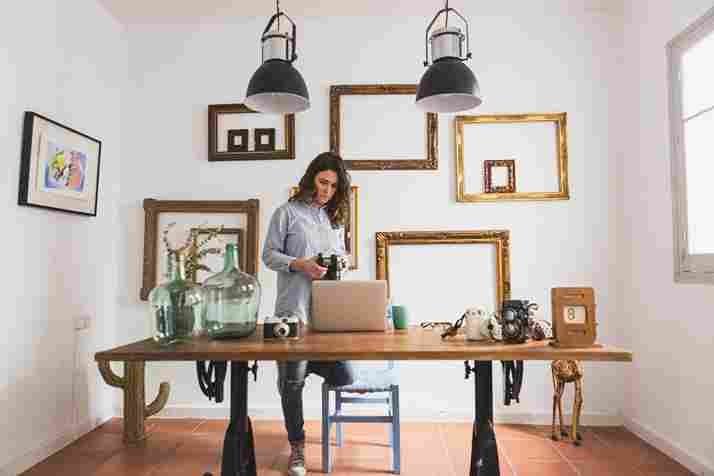
Entryway and First Impressions
The entryway sets the tone for the rest of the home. Keep it clean, add a small bench or mirror, and ensure it feels welcoming.
Living Room
Focus on creating cozy conversation areas with layered textures like rugs and cushions. Use curated decor to add personality without overwhelming the space.
Kitchen
Clear countertops, stage a breakfast bar, and add simple touches like a vase of flowers or a bowl of fresh fruit.
Bedrooms
Use neutral bedding, remove excess furniture, and create a serene, hotel-like atmosphere.
Bathrooms
Replace old towels, clear counters, and add luxury touches like candles or small plants.
Dining Room and Home Office
Highlight the versatility of these spaces. Set the dining table with simple place settings or stage the office with a clean desk and organized shelves.
Budget-Friendly Home Staging Tips
Low-Cost vs. High-Impact Changes
Simple updates like fresh paint, new lighting, and updated hardware can make a big difference without breaking the bank.
Borrowing or Renting Furniture
If your furniture doesn’t fit the staging vision, consider renting or borrowing pieces to enhance the space.
DIY Accents
Use throw pillows, rugs, and greenery to refresh a space on a budget. These small touches can make a big impact.
Styling Details That Sell
Textiles and Soft Furnishings
Rugs, curtains, and cushions add warmth and help define spaces. Choose neutral tones with subtle patterns for a polished look.
Accessories and Art
Keep decor minimal and cohesive. A single statement piece or a line of art can add sophistication without cluttering the space.
Scent and Sound
Subtle, clean scents and soft background music can enhance the buyer experience. Avoid overpowering fragrances or loud noises.
Photography and Virtual Staging Tips
Staging for the Lens
Good photography is essential for online listings. Use camera angles that highlight flow and natural light.
Basic Virtual Staging Principles
Virtual staging can digitally add furniture and decor to empty rooms, making them more appealing in online listings.
Online Listings and “Home Staging Tips”
Ensure your photos reflect the staging tips mentioned in this guide to attract more buyers.
Tailoring Staging to Your Market
Urban vs. Suburban vs. Rural
Adjust your staging approach based on the property type. For example, urban condos may benefit from sleek, modern decor, while suburban homes might need a cozy, family-friendly vibe.
Climate and Regional Preferences
Consider the local climate when staging. For cold climates, use warm textures and lighting. For warm climates, opt for light fabrics and breezy layouts.
Luxury vs. Affordable Homes
Match the staging intensity and style to the home’s price point. Luxury homes may require more elaborate staging, while affordable homes benefit from simple, clean designs.
Working with a Professional Stager
When to Hire a Stager
If your home has significant clutter, outdated finishes, or unique challenges, hiring a professional stager can be worth the investment.
How to Choose a Home Stager
Look for a stager with a strong portfolio, positive reviews, and a clear process.
DIY vs. Pro Home Staging Tips
While DIY staging can work for smaller projects, professional staging is often more effective for larger or high-value properties.
Common Mistakes to Avoid
- Over-decorating or using too many personal items.
- Ignoring curb appeal.
- Neglecting smells or sounds.
- Using furniture that doesn’t fit the space.
Quick Home Staging Checklist
- [ ] Deep clean all rooms.
- [ ] Declutter and depersonalize.
- [ ] Repair visible damage.
- [ ] Rearrange furniture for flow.
- [ ] Add fresh lighting and neutral decor.
- [ ] Stage key rooms (entry, kitchen, living room, master bedroom).
Ready to sell your home faster and for more money? Use these home staging tips to transform your space and attract buyers. For personalized advice or professional staging services, contact our team today.