

Introduction
Did you know that 70% of homeowners crave a more functional and beautiful home in 2026? Your home is more than just a building—it’s your personal sanctuary, a reflection of who you are, and a space where memories are created. Whether you’re designing a new home, organizing your existing space, or upgrading to smart home technology, this comprehensive guide will help you transform your home into the perfect living environment.
In this article, we’ll explore everything you need to know about creating your dream home, from design principles and organization tips to smart home upgrades and sustainable practices. By the end, you’ll have actionable strategies to make your home more comfortable, functional, and uniquely yours.
Defining Your Perfect Home
What Makes a House a True Home?
A true home goes beyond four walls and a roof. It’s a space filled with comfort, personality, and memories. According to 2026 home trends, 40% of homeowners are prioritizing multifunctional spaces that adapt to their lifestyle needs. The emotional aspects of a home—personalization, comfort, and the ability to relax—are what truly transform a house into a home.
Signs that your space isn’t quite a home yet include:
- Lack of personal touches or decoration.
- Disorganized or cluttered spaces.
- Poor lighting or uncomfortable temperature control.
- Absence of functional storage solutions.
Home Types for Every Lifestyle
| Home Type | Size | Average Cost | Best For |
|---|---|---|---|
| Urban Apartment | 500–1,000 sq ft | $300K–$500K | Young professionals, minimalists |
| Suburban House | 2,000–3,000 sq ft | $400K–$700K | Families, those wanting space |
| Rural Retreat | 3,000+ sq ft | $200K–$600K | Nature lovers, remote workers |
Home Design Essentials
Timeless Home Design Principles
Creating a beautiful home starts with understanding fundamental design principles. Color theory plays a crucial role—warm tones like beige and terracotta create cozy atmospheres, while cool tones like blue and gray promote calm. Lighting is equally important; natural light makes spaces feel larger and more welcoming. Finally, flow—the way people move through your home—should be intuitive and unobstructed.
Top Home Decor Trends for 2026
- Sustainable Materials: Bamboo, reclaimed wood, and eco-friendly fabrics dominate modern homes.
- Biophilic Design: Incorporating plants and natural elements into your home creates a connection to nature.
- Minimalist Home Aesthetics: Less clutter, more intentional pieces.
- Warm Neutrals: Soft, earthy tones create a welcoming atmosphere.
- Multifunctional Furniture: Pieces that serve multiple purposes maximize space.
- Vintage and Thrifted Pieces: Adding character while being sustainable.
- Home Automation: Smart lighting and temperature control.
- Textured Fabrics: Layering different textures adds depth and comfort to your home.
Budget-Friendly Home Makeovers
You don’t need a large budget to transform your home. Here are seven under-$100 upgrades that make a big impact:
- Paint an Accent Wall: Fresh paint costs $20–$40 and completely changes a room.
- Update Cabinet Hardware: New knobs and pulls cost $30–$50 and modernize your kitchen.
- Add Throw Pillows and Blankets: Layer textures for $40–$60 to create a cozy home feel.
- Install New Light Fixtures: Budget-friendly options start at $30–$80.
- Hang Floating Shelves: DIY shelving costs $40–$70 and adds storage.
- Refresh Your Entryway: A new doormat, mirror, and hooks cost $50–$80.
- Add Greenery: Plants and planters cost $30–$60 and brighten any home.
Smart Home Organization Tips
Declutter and Organize Your Home Like a Pro
Organization is the foundation of a comfortable home. Studies show that an organized space boosts productivity by 40% and reduces stress. The key is to start small, focusing on one room or area at a time.
Room-by-Room Home Organization Guide
Kitchen:
- Group similar items together in your pantry.
- Use clear containers for dry goods.
- Label everything for easy identification.
Bedroom:
- Invest in a closet organization system.
- Use under-bed storage for seasonal items.
- Minimize nightstand clutter.
Living Room:
- Use multi-use storage ottomans.
- Install floating shelves for books and decor.
- Keep remote controls in a designated basket.
Seasonal Home Refresh Checklist
Refresh your home quarterly with these steps:
- Spring: Deep clean, declutter, add fresh flowers.
- Summer: Organize outdoor spaces, update window treatments.
- Fall: Prep for cooler weather, refresh bedding.
- Winter: Create cozy spaces, organize holiday decorations.
Upgrading to a Smart Home
Integrate Tech into Your Everyday Home
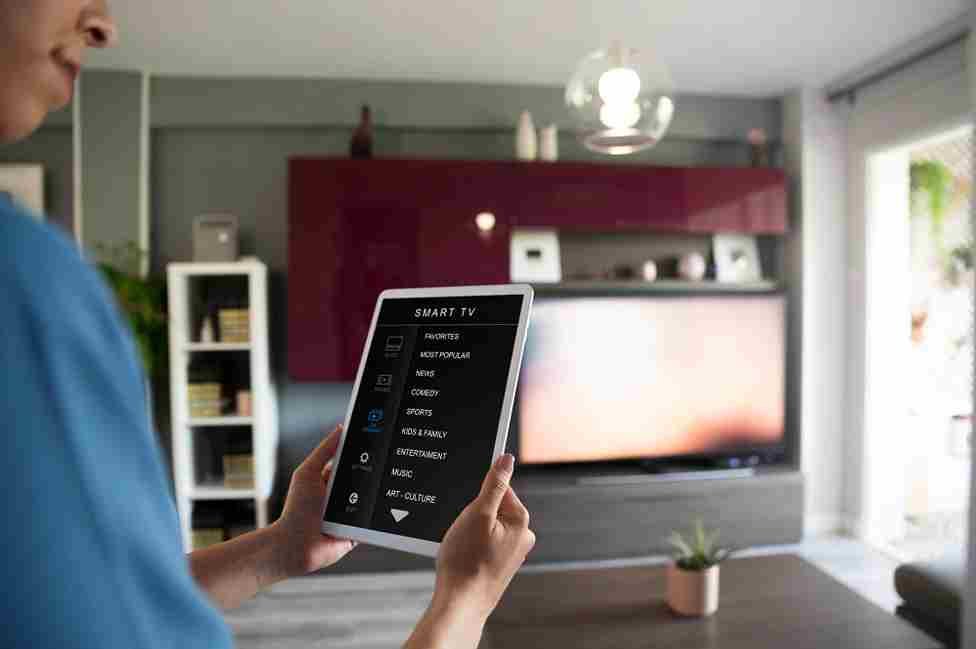
Smart home technology is transforming how people live. The global smart home market is projected to reach $200 billion by 2027. Benefits include energy savings, enhanced security, and improved convenience. A smart home allows you to control lighting, temperature, and security from your smartphone.
Must-Have Smart Home Devices
- Smart Speakers: Amazon Alexa, Google Home ($50–$150).
- Smart Thermostats: Nest, Ecobee ($150–$300).
- Smart Security Cameras: Ring, Wyze ($50–$200).
- Smart Lighting: Philips Hue, LIFX ($15–$50 per bulb).
- Smart Door Locks: August, Level Lock ($150–$300).
- Smart Plugs: Control devices remotely ($10–$25).
- Video Doorbells: Monitor your front door ($100–$300).
- Smart Refrigerators: Manage groceries digitally ($1,500–$3,000).
- Robot Vacuums: Automated cleaning ($200–$800).
- Smart Irrigation: Water your garden efficiently ($150–$400).
Easy Smart Home Setup for Beginners
- Choose a Hub: Select a central device like Amazon Alexa or Google Home.
- Connect Devices: Use WiFi to connect compatible devices to your network.
- Download the App: Install the manufacturer’s app on your smartphone.
- Set Up Routines: Create automated schedules for your home.
- Test and Adjust: Experiment with settings to optimize your smart home experience.
Home Maintenance and Sustainability
Keep Your Home Thriving Long-Term
Regular maintenance prevents costly repairs and extends your home’s lifespan. Key maintenance tasks include:
- HVAC checks twice yearly.
- Pest control inspections quarterly.
- Gutter cleaning in spring and fall.
- Water heater flushing annually.
Eco-Friendly Home Upgrades
Making your home sustainable benefits both the environment and your wallet:
- Solar Panels: Reduce energy bills by 50–80%.
- Low-Flow Fixtures: Save water and money.
- Insulation Upgrades: Improve energy efficiency.
- Energy-Efficient Appliances: Lower utility costs over time.
Annual Savings Calculation:
If your current energy bill is $1,500, eco-friendly upgrades could save approximately $225–$1,200 annually.
Common Home Repairs You Can DIY
- Fixing a leaky faucet.
- Patching drywall holes.
- Replacing weatherstripping.
- Caulking gaps and cracks.
For major repairs like roof work or electrical issues, always consult a professional.
Personalizing Your Home on a Budget
Make Your Home Uniquely Yours
Your home should reflect your personality and interests. Affordable ways to personalize your space include:
- Thrift Store Finds: Unique furniture and decor at fraction of retail prices.
- DIY Artwork: Create custom wall art using canvas and paint.
- Photo Galleries: Display family memories on your walls.
- Collections Display: Showcase items you love on shelves or mantels.
FAQs About Creating Your Perfect Home
What is the best way to design a small home?
Focus on multifunctional furniture, vertical storage, and light colors to make small spaces feel larger. Mirrors also help reflect light and create an illusion of space.
How much does a smart home upgrade cost?
Basic smart home setups start around $200–$500. A comprehensive smart home system can range from $1,000 to $5,000 or more, depending on the devices you choose.
What are quick tips for a cozy home atmosphere?
Add warm lighting, soft textures like blankets and pillows, plants, and a pleasant scent. These elements combine to create an inviting and comfortable home environment.
What eco-friendly home materials are trending in 2026?
Sustainable materials like bamboo flooring, recycled glass countertops, and low-VOC paints are increasingly popular for environmentally conscious homes.
How do I organize a family home efficiently?
Assign zones for different activities, use labeled storage containers, and establish a system where every item has a designated place. Involve family members in maintaining organization.
Key Takeaways
- A true home combines functionality, comfort, and personal touches that reflect your lifestyle.
- Design principles like color, lighting, and flow create a visually appealing home.
- Organization and decluttering are essential for a comfortable and stress-free home.
- Smart home technology enhances convenience, security, and energy efficiency.
- Sustainable upgrades benefit both your home and the environment.
Conclusion
Creating your dream home in 2026 is an achievable goal with the right planning and execution. Whether you’re focusing on design, organization, smart technology, or sustainability, each step brings you closer to a home that truly reflects who you are. Start with one area, implement changes gradually, and enjoy the process of transforming your space into a sanctuary you love.
Ready to start your home transformation? Contact us today for a free home consultation and personalized recommendations tailored to your needs and budget!