
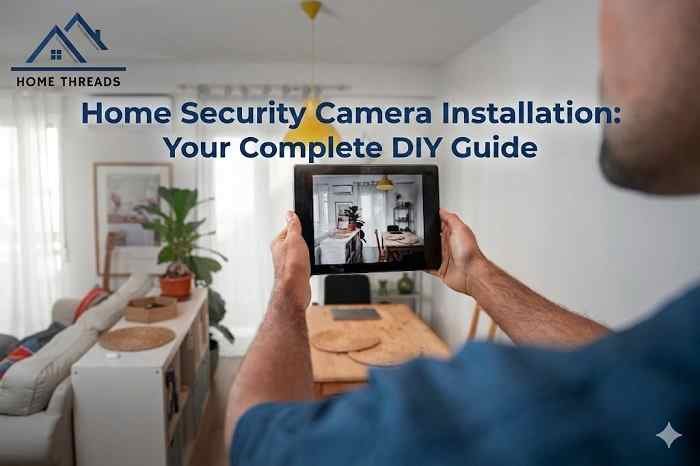
Introduction: Why Home Security Camera Installation Matters
Did you know that homes without security systems are three times more likely to be burglarized? With the rise in smart home technology, home security camera installation has become an essential step for modern homeowners. Not only does it provide peace of mind, but it also deters potential intruders and helps you monitor your property in real-time.
Whether you’re a tech-savvy DIY enthusiast or a first-time installer, this guide will walk you through everything you need to know about home security camera installation. From choosing the right cameras to step-by-step installation instructions, we’ve got you covered. Let’s get started and secure your home today!
Why Install Home Security Cameras?
Benefits of Home Security Cameras
Installing security cameras offers numerous advantages:
– Real-time Monitoring: Keep an eye on your property from anywhere using your smartphone.
– Deterrence: Visible cameras discourage potential burglars.
– Insurance Discounts: Many providers offer lower premiums for homes with security systems.
Types of Security Cameras
There are two main types of cameras:
– Wired: Reliable but requires professional installation or advanced DIY skills.
– Wireless: Easy to install and ideal for DIY setups.
DIY vs. Professional Installation
| Aspect | DIY Installation | Professional Installation |
|---|---|---|
| Cost | $50-200 (tools + camera) | $200-500+ per camera |
| Time | 30-90 minutes | 1-2 hours + scheduling |
| Control | Full customization | Limited flexibility |
| Skills Needed | Basic (drill, ladder) | None |
Choosing the Right Security Cameras
Key Features to Look For
When selecting a security camera, consider the following features:
– Resolution: Opt for at least 1080p for clear video quality.
– Night Vision: Ensure visibility in low-light conditions.
– Weatherproofing: Look for IP65+ ratings for outdoor cameras.
– Power Source: Choose between battery-powered or wired options.
– Smart Integration: Compatibility with Alexa, Google Assistant, or other smart home systems.
Top Security Cameras for 2026
| Camera Model | Price | Key Features | Best For |
|---|---|---|---|
| Blink Outdoor 4 | $80 | Wireless, 1080p, 2-year battery | Budget DIY |
| Arlo Pro 5S | $250 | 2K, color night vision, spotlight | Wireless setups |
| Nest Cam IQ | $300 | 4K, AI person detection | Smart home integration |
Essential Tools and Materials
Before starting your home security camera installation, gather these tools:
– Drill with bits
– Ladder
– Screwdriver set
– Cable clips
– Weatherproof sealant
– Mounting templates
– Ethernet cables (for wired setups)
– Safety gear: gloves, goggles
Budget estimate: $50-100. Most of these items are available at your local hardware store.
Optimal Camera Placement Guide
Strategic Spots for Cameras
Proper placement is crucial for effective surveillance. Focus on these areas:
– Front Door: 9ft high, angled down 20°.
– Backyard: Corners for 270° coverage.
– Garage/Driveway: Monitor vehicles and entry points.
– Second-Story Windows: Cover potential access points.
Common Placement Mistakes
Avoid these errors:
– Pointing cameras at public streets (privacy concerns).
– Installing too low, making cameras easy to tamper with.
– Obstructing views with trees or decorations.
Step-by-Step Installation Process
Indoor Camera Installation
1. Unbox and charge the camera.
2. Download the app and connect to Wi-Fi.
3. Place or mount the camera; secure with screws.
4. Test motion alerts to ensure proper functionality.
Outdoor Wireless Installation
1. Choose a spot and mark it using the mounting template.
2. Drill pilot holes and mount the bracket.
3. Snap the camera into place and seal edges with weatherproof sealant.
4. Set up the app: scan the QR code and name the device.
5. Test the range (ensure it’s within 100ft of the router).
Wired Camera Setup
1. Run Ethernet or power cables to the desired location.
2. Connect the camera to the NVR/DVR system.
3. Mount the camera and configure settings via software.
Pro Tip: Use cable clips to hide wires for a clean look.
Multi-Camera Systems
Sync all cameras via the hub and set motion detection zones for better coverage.
App Setup and Smart Features
Key Features to Explore
Modern security cameras come with advanced features:
– Firmware Updates: Keep your system secure and up-to-date.
– Geofencing: Automate camera activation based on your location.
– Two-Way Audio: Communicate with visitors or deter intruders.
– Storage Options: Choose between cloud storage or local SD cards.
Troubleshooting Weak Signals
If your camera experiences connectivity issues, consider using a mesh Wi-Fi extender to boost the signal.
Common Mistakes to Avoid
Here are some pitfalls to watch out for during home security camera installation:
– Poor Wi-Fi range causing video dropouts.
– Ignoring power outlet locations for wired cameras.
– Overlooking local privacy laws (e.g., no audio recording in public areas).
– Skipping firmware updates, leaving your system vulnerable.
Fix these issues by planning ahead and following manufacturer guidelines.
Troubleshooting and Maintenance
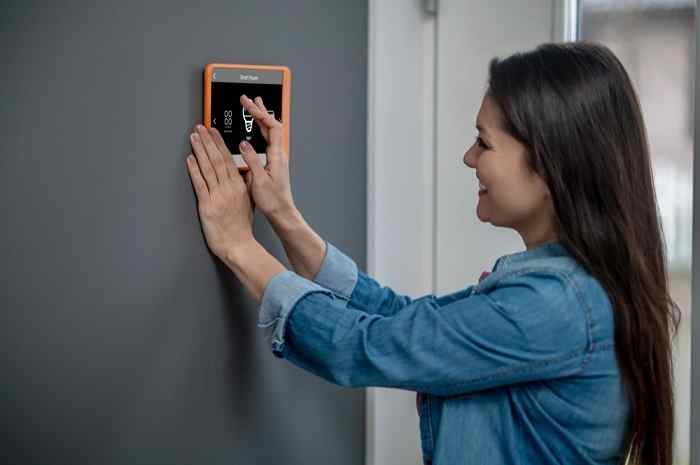
Diagnosing Common Issues
Here’s how to address common problems:
– No Video Feed: Reset the camera or check power connections.
– False Alerts: Adjust motion sensitivity in the app.
– Weather Damage: Inspect and seal cameras annually.
Monthly Maintenance Tasks
Keep your system running smoothly with these tasks:
– Clean camera lenses to ensure clear footage.
– Check and replace batteries if needed.
– Test motion alerts and adjust settings as necessary.
Cost Breakdown and Savings
Here’s a quick comparison of DIY vs. professional installation costs:
– DIY: $200-800 for a 4-camera system.
– Professional: $1,000-2,000 for the same setup.
By installing cameras yourself, you can save up to $500 or more. Plus, many insurance providers offer discounts of up to 20% for homes with security systems.
FAQs About Home Security Camera Installation
How long does home security camera installation take?
Most installations take 30-90 minutes per camera, depending on the type and location.
Do I need professional help?
No, wireless cameras are designed for easy DIY installation. However, wired systems may require advanced skills.
Are wireless cameras reliable?
Yes, as long as they have a strong Wi-Fi connection and are within range of the router.
Conclusion: Secure Your Home Today
Home security camera installation is a straightforward and cost-effective way to protect your property and loved ones. By following this guide, you can choose the right cameras, install them with ease, and enjoy the peace of mind that comes with a secure home. Ready to get started? Begin your DIY installation today and take control of your home’s safety!