

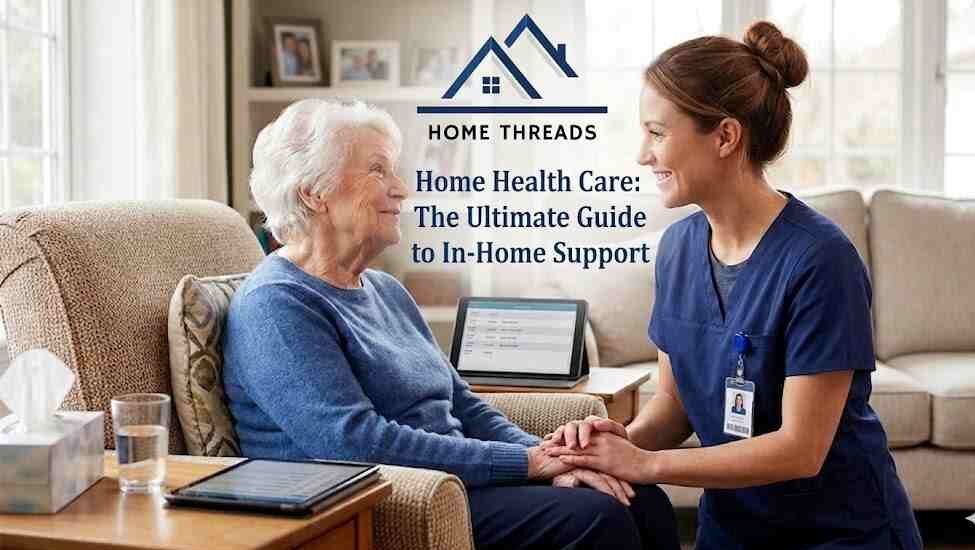
By 2030, one in five Americans will be over the age of 65, according to Census data. As the population ages, the demand for home health care continues to rise, offering a lifeline for seniors, individuals recovering from surgery, and those managing chronic illnesses. But what exactly is home health care, and why is it becoming such a popular choice? Whether you’re exploring options for yourself or a loved one, this guide will walk you through everything you need to know about home health care, from its benefits and services to costs and how to choose the right provider.
What Is Home Health Care?
Home health care refers to a range of medical and non-medical services provided in the comfort of a patient’s home. Unlike nursing homes or assisted living facilities, home health care allows individuals to receive personalized care while remaining in a familiar environment. Services can range from skilled nursing and physical therapy to personal care like bathing and meal preparation.
Types of Home Health Care Services
- Skilled Nursing: Includes wound care, medication management, and monitoring of chronic conditions by registered nurses.
- Therapy Services: Physical, occupational, and speech therapy to aid recovery and improve mobility.
- Personal Care: Assistance with daily activities such as grooming, dressing, and meal preparation.
- Companion Care: Emotional support and help with errands or light housekeeping.
Who Needs Home Health Care?
Home health care is ideal for:
- Seniors who wish to age in place.
- Individuals recovering from surgery or hospitalization.
- Patients managing chronic illnesses like diabetes or dementia.
- Families seeking respite care for loved ones.
According to the Centers for Medicare & Medicaid Services (CMS), over 12 million Americans receive home health care services annually, highlighting its importance in today’s healthcare landscape.
Key Benefits of Home Health Care
Choosing home health care offers numerous advantages for patients and their families. Here are some of the top benefits:
Comfort and Familiarity
Receiving care at home allows patients to stay in a familiar environment, which can reduce stress and promote faster recovery. Studies show that patients recovering at home experience 20% faster healing compared to those in hospitals.
Cost-Effectiveness
Home health care is significantly more affordable than hospital stays or nursing home care. According to the Genworth Cost of Care Survey, in-home care can be 30-50% cheaper, making it a practical option for many families.
Personalized Care Plans
Care is tailored to the individual’s specific needs, ensuring a higher level of attention and support. This personalized approach improves outcomes and enhances the patient’s quality of life.
Family Involvement
Home health care encourages family participation, allowing loved ones to stay involved in the patient’s care plan. This fosters a sense of connection and reassurance for both the patient and their family.
Reduced Infection Risk
Staying at home minimizes exposure to hospital-acquired infections, which can be particularly dangerous for seniors and those with weakened immune systems.
Real-Life Example
Consider an elderly patient recovering from hip surgery. With home health care, they receive physical therapy, medication management, and assistance with daily activities—all without leaving their home. This not only speeds up recovery but also provides peace of mind for their family.
Common Home Health Care Services
Home health care encompasses a wide range of services designed to meet diverse needs. Here’s a closer look at what’s typically offered:
Medical Services
- Medication management and administration.
- IV therapy and injections.
- Wound care and post-surgical monitoring.
Non-Medical Services
- Meal preparation and grocery shopping.
- Light housekeeping and laundry.
- Transportation to medical appointments.
Specialized Services
- Dementia Care: Tailored support for patients with Alzheimer’s or other cognitive impairments.
- Palliative and Hospice Care: Comfort-focused care for individuals with serious or terminal illnesses.
Customization
Services are often customized based on an initial assessment, ensuring that the care plan aligns with the patient’s unique needs and preferences.
Home Health Care Costs and Insurance
Understanding the costs of home health care is crucial for planning and budgeting. Here’s what you need to know:
Average Costs
- Personal care services: $25-$30 per hour.
- Skilled nursing visits: $100+ per visit.
- Therapy sessions: $150-$200 per session.
Factors Affecting Costs
- Location: Urban areas tend to have higher rates than rural regions.
- Service Frequency: Costs increase with the number of hours or visits required.
- Specialized Care: Services like dementia care or palliative care may come at a premium.
Insurance Coverage
- Medicare: Covers certain home health care services if prescribed by a doctor.
- Medicaid: Offers coverage for low-income individuals, including long-term care.
- Private Insurance: Many plans include provisions for in-home care.
- Veterans Benefits: The VA provides support for eligible veterans needing home health care.
Savings Tips
- Explore government programs and community resources.
- Negotiate rates with providers.
- Consider bundled services for cost efficiency.
How to Choose the Right Home Health Care Provider

Selecting a reliable provider is essential for ensuring quality care. Follow these steps to make an informed decision:
Step-by-Step Guide
- Check Credentials: Look for agencies certified by Medicare or accredited by organizations like the Joint Commission.
- Read Reviews: Online platforms like Caring.com and Google Reviews can provide valuable insights.
- Interview Agencies: Ask about staff qualifications, training, and turnover rates.
- Request a Trial Period: Many providers offer trial services to ensure a good fit.
Red Flags to Watch For
- High staff turnover.
- Lack of transparency in pricing or contracts.
- Poor communication or unprofessional behavior.
Local Focus
If you’re searching for “home health care agencies near me,” prioritize providers with strong community ties and a proven track record.
Technology in Modern Home Health Care
Advancements in technology are revolutionizing home health care, making it more efficient and accessible. Here are some innovations shaping the industry:
- Telehealth: Virtual consultations with doctors and specialists.
- Wearables: Devices like fall detectors and heart rate monitors.
- Apps: Tools for scheduling, medication reminders, and progress tracking.
These technologies enhance the quality of care while empowering patients to take an active role in their health.
Challenges and Solutions in Home Health Care
While home health care offers many benefits, it’s not without challenges. Common issues include:
- Caregiver Burnout: Providing care can be physically and emotionally taxing for family members.
- Affordability: Costs can add up, especially for long-term care.
- Quality Control: Ensuring consistent, high-quality care across providers.
Solutions
- Family training programs to support caregivers.
- Hybrid care models combining in-home and facility-based services.
- Advocacy for better insurance coverage and government support.
Real Stories and Testimonials
One client shared, “After my father’s stroke, home health care allowed him to recover in the comfort of his home. The nurses were compassionate, and the physical therapy sessions made a huge difference.”
Key Takeaways
- Home health care provides medical and non-medical support in a patient’s home, offering comfort, cost savings, and personalized care.
- Services range from skilled nursing and therapy to meal preparation and companionship.
- Costs vary based on location, service type, and frequency, but insurance options like Medicare can help offset expenses.
- Choosing the right provider involves checking credentials, reading reviews, and conducting interviews.
- Technology and innovative solutions are enhancing the efficiency and accessibility of home health care.
Conclusion
Home health care is a vital resource for individuals seeking to maintain their independence and quality of life while receiving the support they need. Whether you’re caring for an aging parent, recovering from surgery, or managing a chronic condition, home health care offers a flexible and compassionate solution. Ready to explore your options? Contact our team today for a free home health care assessment and take the first step toward better care.