


Buying or selling a home can be one of the biggest decisions in a person’s life, and a home inspection is a critical part of the process. Imagine finding your dream home, only to later discover hidden defects that could cost thousands of dollars to fix. This is where a home inspection comes in—a thorough evaluation of a property’s condition that helps buyers, sellers, and even real estate agents make informed decisions. Whether you’re a first-time buyer or a seasoned homeowner, understanding the ins and outs of a home inspection can save you time, money, and headaches. This comprehensive guide will walk you through everything you need to know, from what’s included in a home inspection to how to choose a qualified inspector.
What Is a Home Inspection?
A home inspection is a professional assessment of a property’s condition, typically performed when a house is being sold. Unlike an appraisal, which determines the market value of a home, a home inspection focuses on identifying potential issues, such as structural problems, plumbing leaks, or outdated electrical systems. While buyers most commonly hire inspectors, sellers can also benefit from pre-listing inspections to address issues before putting their property on the market. A home inspection is a crucial step in the real estate transaction process, offering peace of mind to everyone involved.
Why a Home Inspection Matters
A home inspection is more than just a formality; it’s an essential safeguard for buyers and sellers alike. For buyers, it’s a way to uncover hidden defects that could lead to costly repairs. For sellers, it provides an opportunity to address potential issues upfront, reducing the risk of renegotiations or deal cancellations. Additionally, lenders and insurance companies often require a home inspection to ensure the property meets certain standards. By identifying problems early, a home inspection can prevent legal disputes and ensure a smoother transaction for all parties involved.
The Typical Home Inspection Process
Understanding the home inspection process can help you prepare and make the most of this important step. Here’s a step-by-step breakdown:
- Scheduling the Inspection: Once an offer is accepted, the buyer typically schedules the home inspection, which usually takes place within a week.
- The On-Site Visit: During the inspection, the inspector conducts a walkthrough of the property, examining its major systems and components. This includes the foundation, roof, plumbing, electrical systems, and more.
- Documentation: Inspectors often use specialized tools and take photos to document their findings. These photos are later included in the report.
- The Report: A detailed home inspection report is provided within 24-48 hours, highlighting any issues discovered during the inspection. This report is invaluable for negotiations and decision-making.
On average, a standard home inspection takes 2-4 hours, depending on the property’s size and condition.
What a Home Inspection Covers
A thorough home inspection evaluates the visible and accessible components of a property. Here’s what’s typically included:
- Roof and Attic: Inspects shingles, flashing, and ventilation.
- Exterior Walls and Foundation: Looks for cracks, water damage, and structural integrity.
- Windows and Doors: Checks for proper sealing, functionality, and potential drafts.
- Plumbing System: Assesses pipes, fixtures, water heaters, and drainage.
- Electrical System: Examines the panel, wiring, outlets, and safety devices.
- Heating and Cooling (HVAC): Ensures the system operates efficiently and safely.
- Interior Spaces: Evaluates floors, walls, ceilings, and visible structural elements.
- Insulation and Ventilation: Checks for proper airflow and energy efficiency.
It’s important to note that a home inspection is non-invasive, meaning inspectors do not dismantle walls or use destructive methods.
What a Home Inspection Does NOT Include
While a home inspection is comprehensive, it has its limitations. Common exclusions include:
- Mold Testing: Unless specifically requested.
- Radon and Asbestos Tests: These require specialized equipment.
- Pest Inspections: Termites and other wood-destroying insects are typically outside the scope of a standard home inspection.
- Pools and Septic Systems: These require separate evaluations.
- Code Compliance: A home inspection is not a certification of compliance with local building codes.
Optional add-ons, such as radon testing or pest inspections, can be arranged for an additional fee.
When to Schedule a Home Inspection
The timing of a home inspection is crucial. For buyers, it’s best to schedule the inspection after the offer is accepted but before the closing process begins. This allows time to address any issues that may arise. Sellers, on the other hand, can benefit from pre-listing inspections, which provide an opportunity to fix problems before putting their property on the market. In certain situations, such as for older homes or after major renovations, a second home inspection may be advisable.
How to Choose a Home Inspector
Selecting a qualified inspector is one of the most important steps in the home inspection process. Here’s what to look for:
- Credentials: Ensure the inspector is certified by reputable organizations like ASHI (American Society of Home Inspectors) or InterNACHI.
- Experience: Ask how many inspections they’ve conducted and if they specialize in certain types of properties.
- Fees and Turnaround Time: Confirm the cost of the inspection and how quickly you’ll receive the report.
- Sample Reports: Reviewing a sample report can give you an idea of the inspector’s thoroughness and attention to detail.
- Independence: Choose an inspector with no ties to real estate agents or contractors to avoid conflicts of interest.
What Happens During the Inspection Walkthrough
Attending the home inspection walkthrough is highly beneficial for buyers and sellers. It allows you to ask questions, understand the inspector’s findings, and gain insights about the property’s condition. The inspector typically starts outside, examining the yard, foundation, and exterior, before moving inside to inspect the home’s interior and mechanical systems. Taking notes and asking clarifying questions during the walkthrough can help you better understand the final report.
Understanding the Home Inspection Report
A home inspection report is a detailed document that outlines the inspector’s findings. It typically includes:
- Photos: Visual evidence of issues and areas inspected.
- Categorization: Issues are often grouped into major defects, safety hazards, and minor recommendations.
- Recommendations: Suggestions for repairs or further evaluations. If you’re unsure about any part of the report, don’t hesitate to ask the inspector for clarification.
Common Findings in a Home Inspection
Some of the most common issues uncovered during a home inspection include:
- Roof Problems: Missing shingles, leaks, or an aging roof.
- Foundation Issues: Cracks, settling, or water intrusion.
- Plumbing Defects: Leaks, low water pressure, or outdated pipes.
- Electrical Concerns: Overloaded circuits, outdated panels, or improper wiring.
- HVAC Problems: Inefficient or aging heating and cooling systems.
How to Use the Home Inspection Results
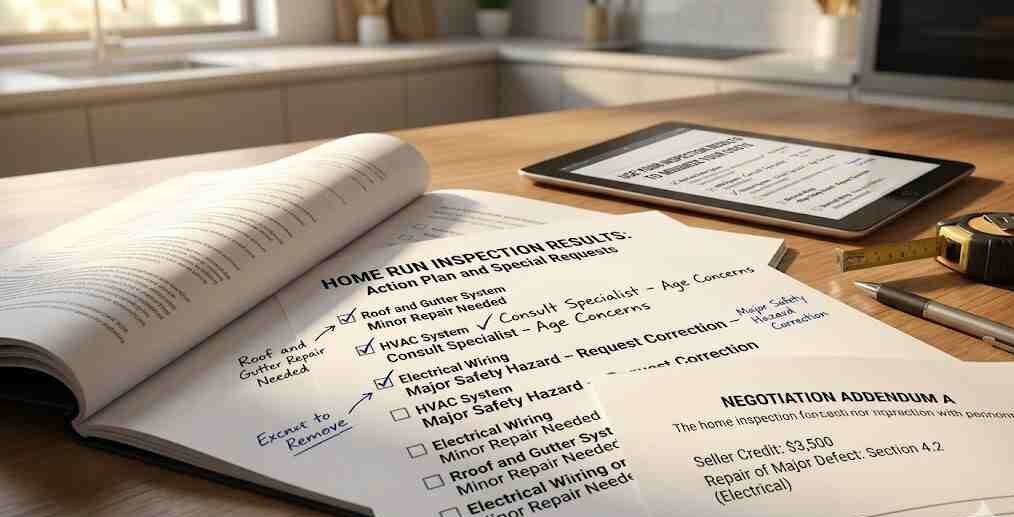
The findings from a home inspection can be used in several ways:
- Negotiations: Request repairs, credits, or price adjustments from the seller.
- Walk Away: If major issues are discovered, you may choose to back out of the deal.
- Repairs: Prioritize urgent fixes while planning for cosmetic improvements later.
Home Inspection vs. Home Appraisal
While both are essential steps in a real estate transaction, a home inspection and an appraisal serve different purposes. An appraisal determines the property’s market value for lenders, while a home inspection evaluates its condition for buyers and sellers. Both are typically required for financing but focus on different aspects of the property.
Home Inspection for Sellers: Pre-Listing Checkups
A pre-listing home inspection can be a game-changer for sellers. It allows you to address potential issues upfront, reducing the likelihood of renegotiations or delays. By disclosing known problems and pricing the property accordingly, you can attract serious buyers and speed up the sale process.
Specialized and Add-On Inspections
In addition to standard home inspections, specialized evaluations may be necessary for certain properties. These include:
- Mold Testing
- Radon Inspection
- Termite and Pest Inspection
- Structural Inspections These add-ons provide a deeper understanding of specific concerns and are worth considering for older homes or properties with unique features.
Home Inspection Tips for Buyers and Sellers
For Buyers
- Research the property and neighborhood beforehand.
- Prepare a list of questions for the inspector.
- Focus on major systems and safety concerns.
For Sellers
- Ensure all areas of the home are accessible.
- Address minor repairs before the inspection.
- Remain calm and cooperative if issues are identified.
Red Flags That Warrant a Second Look
Certain issues uncovered during a home inspection may require further evaluation, such as:
- Evidence of water damage or flooding.
- Structural movement or cracks.
- Outdated electrical systems.
- Aging HVAC equipment.
How Long Does a Home Inspection Take?
A standard home inspection typically takes 2-4 hours, depending on the property’s size, age, and condition. Larger homes or those requiring specialized inspections may take longer. Rushing through an inspection is never advisable, as thoroughness is key to uncovering potential issues.
Cost of a Home Inspection
The cost of a home inspection varies based on factors like location, property size, and additional services. On average, you can expect to pay between $300 and $500 for a standard inspection. While this may seem like an added expense, it’s a worthwhile investment that can save you thousands in future repairs.
Frequently Asked Questions About Home Inspection
What is included in a home inspection? A standard inspection covers major systems like the roof, foundation, plumbing, electrical, and HVAC.
How long does a home inspection take? Most inspections last 2-4 hours.
Who pays for the home inspection? The buyer typically pays, though sellers may opt for a pre-listing inspection.
Can a house fail a home inspection? No, but significant issues may affect the sale.
Conclusion
A home inspection is an invaluable step in buying or selling a home, offering peace of mind and the opportunity to make informed decisions. By understanding what a home inspection entails, how to choose an inspector, and how to interpret the results, you can navigate the real estate process with confidence. Whether you’re a buyer, seller, or real estate professional, investing in a quality home inspection ensures a smoother and more transparent transaction.