
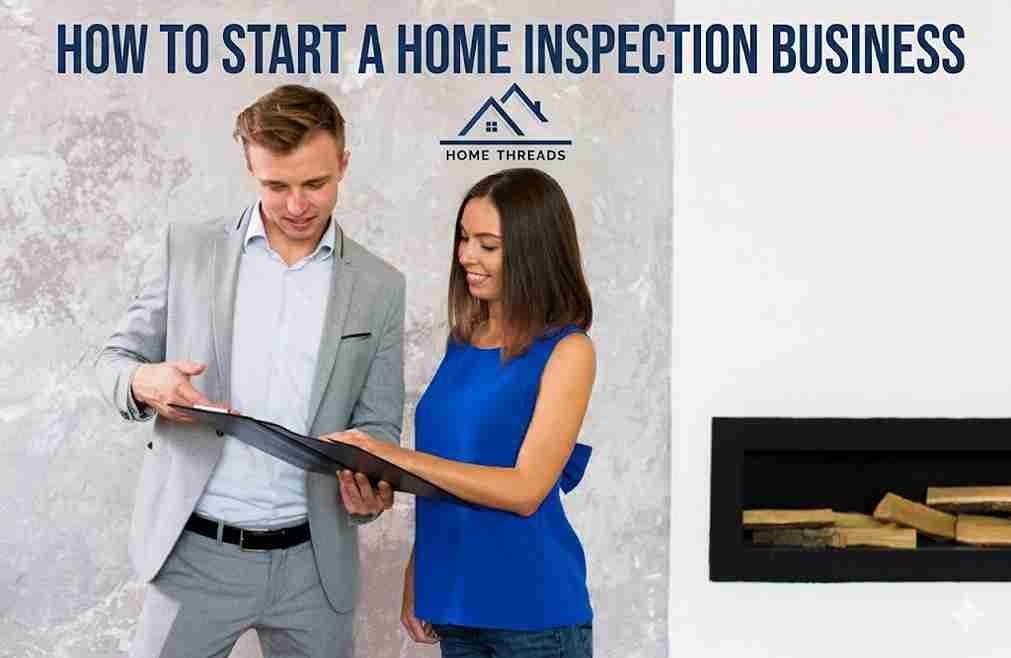
Dreaming of a career where you can be your own boss, work flexible hours, and help people make informed decisions about their homes? Starting a home inspection business might be your perfect opportunity!
The home inspection industry is thriving, fueled by the booming real estate market and the increased awareness among buyers and sellers about the importance of property inspections. Launching a home inspection business not only has low startup costs but also offers the potential for high earnings and scalability. This blog will provide you with a comprehensive, step-by-step guide on how to start a home inspection business, covering everything from certifications and tools to marketing strategies and common challenges.
What is a Home Inspection Business?
Definition and Purpose
A home inspection business involves conducting professional evaluations of a property’s physical condition. Home inspectors assess structural integrity, electrical systems, plumbing, roofing, heating, and other critical components to provide detailed reports. These reports help buyers, sellers, and real estate agents make informed decisions during property transactions.
Types of Home Inspections
- Pre-Purchase Inspections: For buyers to understand a property’s condition before finalizing a deal.
- Pre-Listing Inspections: For sellers to identify and address issues before listing their homes.
- Specialty Inspections: Focused services like mold detection, radon testing, termite inspections, and energy efficiency assessments.
Why Home Inspections Are Essential
Home inspections protect buyers from unexpected repair costs, give sellers a chance to improve their property’s value, and provide peace of mind during real estate transactions. They’re an indispensable part of the home-buying process.
Skills and Qualifications Needed to Start a Home Inspection Business
Key Skills for Success
To succeed as a home inspector, you’ll need:
- Attention to Detail: Spotting even the smallest issues in a home.
- Strong Communication Skills: Explaining findings clearly to clients.
- Basic Knowledge of Construction: Understanding how homes are built and maintained.
- Time Management: Handling appointments and reports efficiently.
Certifications and Licensing Requirements
Licensing requirements vary by state; some states mandate certifications, while others don’t. Top certifications include InterNACHI (International Association of Certified Home Inspectors) and ASHI (American Society of Home Inspectors). Continuing education is essential to stay updated on industry standards.
Do You Need Experience in Construction or Real Estate?
While experience in related fields is beneficial, it’s not mandatory. Training programs, online courses, and mentorship opportunities can help you gain the necessary expertise.
Step-by-Step Guide: How to Start a Home Inspection Business
Step 1: Research Your Market
Understanding your local market is crucial. Analyze the demand for home inspection services, identify your target customers, and research competitors to find ways to stand out.
Step 2: Get Certified and Licensed
Enroll in an accredited training program to obtain your certification. Familiarize yourself with your state’s licensing requirements and pass the necessary exams.
Step 3: Develop a Business Plan
A solid business plan will guide your venture. Include:
- Goals and target market.
- Startup and operational cost estimates.
- Revenue projections.
- Marketing strategy and SWOT analysis.
Step 4: Register Your Business
Choose a unique name for your business, register it with your state, and decide on a business structure (LLC, sole proprietorship, etc.). Don’t forget to obtain an EIN for tax purposes.
Step 5: Get Insurance
Insurance is non-negotiable. General liability insurance and errors and omissions (E&O) insurance protect your finances and reputation.
Step 6: Purchase Equipment and Tools
Invest in essential tools like flashlights, ladders, moisture meters, infrared cameras, and inspection software. Start with budget-friendly options and upgrade as you grow.
Step 7: Build Your Brand and Online Presence
Create a logo, build a professional website, and establish a presence on platforms like Facebook and LinkedIn. Optimize your website for SEO to attract local clients searching for home inspection services.
Step 8: Establish Pricing for Your Services
Research local market rates to set competitive prices. Offer different pricing tiers for various types of inspections.
Step 9: Market Your Home Inspection Business
Network with real estate agents, use Google My Business, and implement local SEO strategies. Offer promotions or discounts to attract first-time clients.
Step 10: Deliver Exceptional Service
Create thorough, professional inspection reports and prioritize excellent customer service to build trust and earn repeat clients.
How Much Does It Cost to Start a Home Inspection Business?
Initial Investment Breakdown
- Certification and licensing: $1,000–$3,000.
- Tools and equipment: $2,000–$5,000.
- Business registration and insurance: $500–$2,000.
- Marketing and website development: $500–$1,500.
Ongoing Operating Costs
- Vehicle maintenance and travel expenses.
- Subscription fees for inspection software.
- Advertising and networking expenses.
Potential Earnings and ROI
The average home inspector in the U.S. earns between $50,000 and $80,000 annually, with experienced professionals making over $100,000. Factors like location, reputation, and services offered heavily influence profitability.
Tools and Software for Home Inspection Businesses
Inspection Report Software
Popular tools like HomeGauge and Spectora streamline the reporting process, making it faster and more professional.
Scheduling and Invoicing Tools
Platforms like Square or QuickBooks can help you manage appointments and process payments efficiently.
Marketing and CRM Software
Tools like HubSpot or Zoho CRM assist in managing customer relationships and running marketing campaigns.
Tips for Growing Your Home Inspection Business
Focus on Networking
Build relationships with real estate agents, attend industry events, and participate in local trade shows.
Expand Your Services
Offer specialized inspections such as radon testing, mold inspections, or energy efficiency audits to increase your value.
Encourage Customer Reviews
Ask satisfied clients to leave reviews on Google, Yelp, and Facebook. Positive reviews boost your credibility and attract new clients.
Invest in Continuing Education
Stay informed about industry trends and pursue advanced certifications to differentiate yourself from competitors.
Leverage Online Marketing
Run Google Ads, enhance your social media presence, and optimize your website for local SEO with targeted keywords like “home inspection services near me.”
Common Challenges and How to Overcome Them

Building Credibility as a New Business
Earn trust by obtaining certifications, showcasing testimonials, and maintaining a professional online presence.
Navigating State Regulations
Stay compliant with evolving licensing requirements by attending workshops and continuing education courses.
Managing Competition
Set yourself apart with unique service offerings, competitive pricing, and exceptional customer service.
Seasonal Fluctuations in Demand
Offset slower months by offering services like maintenance inspections or energy audits.
Frequently Asked Questions (FAQ)
Do I need a license to start a home inspection business?
Most states require a license to operate. Check your state’s specific requirements.
How much can I earn as a home inspector?
Income varies based on location and experience, but many inspectors earn $50,000–$80,000 annually, with potential for six figures.
What is the best certification for home inspectors?
InterNACHI and ASHI are among the most respected certifications in the industry.
Can I start a home inspection business with no experience?
Yes! Training programs and mentorship can help you gain the skills needed to succeed.
How long does it take to become a certified home inspector?
Certification typically takes a few weeks to a few months, depending on the program and your availability.
What should I include in a home inspection report?
Key components include structural assessments, electrical and plumbing evaluations, and details about roofing, HVAC, and insulation.
Conclusion
Starting your own home inspection business can be a rewarding and lucrative career path. By following the 10-step process outlined in this guide, you’ll be well on your way to building a successful business. From obtaining certifications and tools to marketing your services effectively, every step is crucial to your journey.
So, take the first step today—research certification programs or draft your business plan—and embark on the exciting path of becoming a home inspection entrepreneur.