

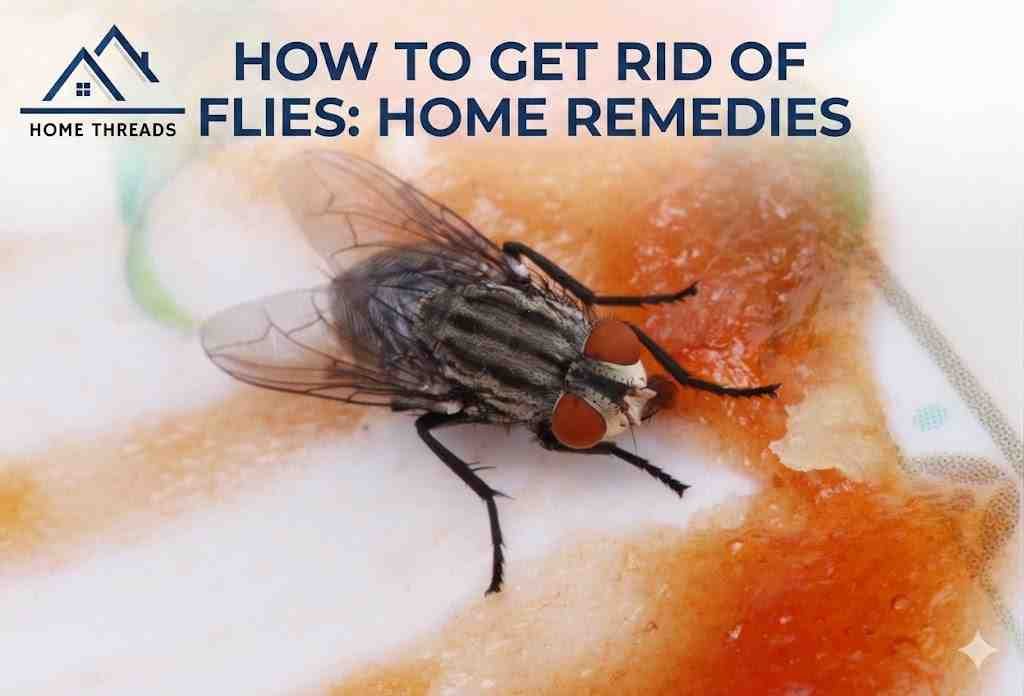
Flies invading a home can quickly become a frustrating problem. They buzz around food, interrupt daily activities, and may even carry health risks. So, how can someone effectively deal with these pests without harsh chemicals? In this guide, we’ll explore how to get rid of flies home remedies that are natural, affordable, and easy to use. These solutions not only help eliminate flies but also prevent them from coming back, keeping your living space comfortable and hygienic.
Why Are Flies Attracted to Your Home?
Food Sources
Flies are drawn to any accessible food. Leftovers left out, sugary spills, pet food bowls, and uncovered fruits are common attractants. Even small crumbs can be enough to invite flies inside.
Trash and Organic Waste
Unsealed garbage cans and compost piles provide ample breeding grounds. The smell of decomposing waste is irresistible to flies seeking to lay eggs.
Standing Water
Flies need moisture to survive and reproduce. Leaky faucets, clogged drains, and pet water bowls can create the perfect environment for them to thrive.
Warm Weather
Flies are more active in warm temperatures. During spring and summer, they multiply quickly, making infestations more likely.
Understanding these factors helps homeowners identify vulnerable spots and address them alongside using remedies.
Common Types of Flies Found at Home
House Flies
The most prevalent type, house flies are usually found near food and garbage. They are strong flyers and can spread bacteria.
Fruit Flies
Tiny and persistent, fruit flies tend to gather around ripened or rotting fruits and vegetables, making kitchens a hotspot.
Drain Flies
These small, moth-like flies breed near drains, sinks, and stagnant water. They’re often mistaken for other fly species.
Cluster Flies
Invading during cooler months, cluster flies tend to gather near windows and walls, seeking warmth.
Most home remedies effectively target these common species, providing versatile solutions.
Why Choose Home Remedies Over Chemical Solutions?
Safe for Families and Pets
Chemical sprays can pose health hazards to children and pets due to toxic ingredients. Natural remedies avoid these risks.
Eco-Friendly
Home remedies reduce chemical waste and pollution, making them better for the environment.
Cost-Effective
Many natural solutions use everyday household items, saving money on expensive pesticides.
Non-Invasive
Natural methods avoid the strong odors and residues associated with chemical treatments.
While chemicals might be necessary in extreme cases, starting with home remedies is a safer and more sustainable choice.
How to Get Rid of Flies Home Remedies – Step-by-Step Solutions
Apple Cider Vinegar Trap
Mix equal parts apple cider vinegar and water in a bowl, add a few drops of dish soap, and cover with plastic wrap. Poke small holes so flies can enter but not escape. The vinegar attracts them, and the soap traps them.
Homemade Fly Strips
Cut strips of paper and coat them with a sticky mixture of honey or sugar and water. Hang these near fly hotspots for an effective trap.
Essential Oil Spray
Combine water with a few drops of peppermint, eucalyptus, or lavender essential oils in a spray bottle. Spray around doors, windows, and trash bins to repel flies naturally.
Basil and Mint Plants
Place potted basil or mint plants near windows or kitchen counters. Their scent is unpleasant to flies, helping keep them away.
Lemon and Clove Trick
Stick cloves into halved lemons and position them around the house. The mix of citrus and clove smells deters flies effectively.
DIY Vinegar and Baking Soda Drain Cleaner
Pour baking soda followed by vinegar down drains. Wait for fizzing to subside, then rinse with hot water. This disrupts drain fly breeding sites.
Milk, Sugar, and Pepper Trap
Heat milk with sugar and pepper, then pour into a shallow dish. Place it where flies gather. The mixture attracts and traps flies.
Use these remedies consistently and place them strategically for best results.
Preventative Measures to Keep Flies Away
Keep Your Home Clean
Regularly wipe down surfaces, clean spills immediately, and wash dishes without delay.
Seal Food Properly
Store leftovers in airtight containers and refrigerate perishables to reduce attractants.
Take Out Trash Frequently
Use sealed bins and empty them often to prevent odors that attract flies.
Fix Leaks and Eliminate Standing Water
Repair any leaks and avoid stagnant water accumulation.
Install Screens and Use Door Seals
Prevent flies from entering by sealing windows and doors with screens and weather stripping.
Prevention is vital to maintain a fly-free environment long term.
Natural Fly Repellents You Can Make at Home
Citrus Peels
Dry citrus peels and place them in fly-prone areas to repel flies with their strong scent.
Herbal Sachets
Create sachets filled with dried lavender, bay leaves, or rosemary and place them near windows and doors.
Cucumber Slices
Lay fresh cucumber slices on countertops. Their scent is naturally off-putting to flies.
Garlic Spray
Mix crushed garlic with water to create a spray. Apply it around entry points to deter flies.
These repellents are simple, safe, and enhance your fly control efforts.
Addressing Persistent Fly Problems
Inspect for Breeding Grounds
Look carefully for hidden sources like forgotten food, garbage leaks, or clogged drains.
Deep Clean Your Home
Focus on thoroughly cleaning trash bins, drains, and less accessible spots.
Consider Professional Help
If the problem persists, consulting pest control professionals is a wise step.
Combining professional advice with home remedies usually yields the best outcome.
Frequently Asked Questions (FAQs)
What is the fastest way to get rid of flies naturally?
Apple cider vinegar traps work quickly and effectively to catch flies.
Are home remedies effective for all types of flies?
Most home remedies target common household flies such as house flies, fruit flies, and drain flies.
How long does it take for home remedies to work?
You can expect results within a few hours to a few days, depending on the severity.
Can flies cause health problems?
Yes, flies can spread bacteria and contaminate food, posing health risks.
How can I make my home less attractive to flies in the future?
Maintain cleanliness, properly store food, and eliminate standing water.
The Role of Hygiene in Fly Control
Maintaining clean living spaces forms the foundation of fly control. Even small habits like sealing trash bags tightly and wiping counters regularly can prevent flies from gaining a foothold. Home remedies are most effective when paired with consistent hygiene practices.
Conclusion
Flies are a common household problem, but they can be managed successfully using natural solutions. Home remedies are safe, affordable, and environmentally friendly alternatives to chemicals. Alongside prevention and hygiene, these remedies can help keep your home fly-free. Try these tips and share your favorite remedy with others to help spread the word about effective, natural fly control.