


Introduction
In Japanese culture, the concept of “home” carries deep emotional and social significance that extends far beyond a simple physical structure. For language learners and cultural enthusiasts alike, understanding how to express this fundamental concept opens doors to appreciating the nuances of Japanese communication and values. The fascinating part is that there isn’t just one word for “home” in Japanese—instead, there are multiple terms and expressions, each carrying its own subtle meaning and context.
This comprehensive guide explores how do you say home in Japanese, delving into the various vocabulary options, cultural implications, and practical usage. Whether you’re learning Japanese for travel, personal enrichment, or professional reasons, mastering these expressions will deepen your connection to the language and the culture it represents.
Basic Japanese Words for “Home”
家 (いえ, Ie) – The Physical House
The word “ie” is perhaps the most straightforward translation for “home” in Japanese. It literally refers to a physical building or house structure. When someone asks where you live, using “ie” emphasizes the tangible, architectural aspect of your residence. You might hear it in sentences like “My house is near the station” or “I’m building a new house.” The term is neutral and commonly used in everyday conversation, making it an essential word for any Japanese language learner to know.
家 (うち, Uchi) – Home or Household
“Uchi” represents a more nuanced understanding of home. While it can mean the physical house like “ie,” it more commonly refers to one’s household or family unit. The word carries emotional weight and familiarity, often used when speaking about one’s own home in a personal context. When a Japanese person says “uchi,” they’re frequently referring not just to the building but to the people and relationships within it. This distinction reflects the Japanese cultural emphasis on family as central to the concept of home.
自宅 (じたく, Jitaku) – One’s Own Residence
“Jitaku” is a more formal term used in official or professional contexts. You’ll encounter this word in business emails, formal announcements, or when providing your address in official situations. It’s polite and respectful, making it appropriate for formal communication. For instance, a company might ask for your “jitaku” when processing employment paperwork or insurance information.
お家 (おうち, Ouchi) – Polite and Familiar Version of Home
“Ouchi” is the polite or familiar version of “uchi,” often used among family members or in gentle, warm conversation. The honorific prefix “o” adds a sense of respect and affection. Parents might use this term when speaking to children, or family members might use it when discussing their shared home. It carries emotional warmth and intimacy that other terms might lack.
Cultural Nuances of “Home” in Japanese
The Concept of “Home” in Japanese Society
In Japan, home represents far more than just a physical location. It embodies the family unit, shared responsibilities, and collective identity. The Japanese concept of home emphasizes harmony, respect for hierarchy, and the interdependence of family members. Traditionally, the home serves as a sanctuary where family members fulfill their roles and maintain social order. This perspective shapes how Japanese people speak about and relate to their homes.
Differences Between Japanese and Western Concepts of Home
Western cultures often emphasize individual autonomy and personal space within the home, whereas Japanese culture stresses the collective family unit and shared spaces. Traditional Japanese homes feature open layouts with sliding doors, allowing flexible use of space and promoting family togetherness. The concept of “home” in Japanese extends to one’s role within the family structure and one’s contribution to household harmony. Understanding these differences helps language learners appreciate why certain words are chosen in specific contexts.
Use of “Uchi” and “Soto” to Express Insider vs. Outsider
Japanese culture maintains a distinction between “uchi” (inside, home, our group) and “soto” (outside, other). This concept extends beyond the physical home to social relationships and group membership. When someone refers to their home as “uchi,” they’re also implying a sense of belonging and insider status. Conversely, “soto” represents the outside world and those not part of one’s inner circle. This linguistic framework reflects deep cultural values about community and belonging.
Common Phrases and Expressions Including “Home”
家に帰る (いえにかえる, Ie ni kaeru) – “Go Home”
This common phrase literally means “return to the house.” It’s used in everyday conversation when discussing returning to one’s residence after work, school, or an outing. The phrase captures the action and intention of heading back to one’s home base. You might hear it in sentences like “I’m going home now” or “Let’s go home together.”
家族 (かぞく, Kazoku) – “Family”
“Kazoku” uses the same kanji as “ie” but combines it with another character to mean “family.” The word intrinsically links family to the concept of home, reflecting how inseparable these ideas are in Japanese culture. When discussing one’s family, the connection to home is implicit, as family and home are understood as interconnected concepts.
帰宅する (きたくする, Kitaku suru) – “Return Home” (Formal)
This more formal expression means to return home. It’s commonly used in business settings, news reports, or formal writing. For example, a company might track when employees “kitaku suru” or return home. It’s more dignified and structured than the casual “ie ni kaeru,” making it appropriate for professional contexts.
おうち時間 (Ouchi Jikan) – “Time at Home”
This relatively modern phrase gained popularity, especially during periods when people spent more time at home. “Ouchi jikan” refers to leisure time spent at home and has become a cultural concept encompassing relaxation, family bonding, and personal hobbies enjoyed within the home. The phrase reflects contemporary Japanese lifestyle and values around work-life balance.
故郷 (こきょう, Kokyō) – “Hometown” or “Homeplace”
“Kokyō” carries profound emotional significance, referring to one’s birthplace or hometown. It evokes nostalgia, roots, and the place where one’s heart belongs. This word appears frequently in literature, poetry, and personal narratives where people reflect on their origins and connection to their ancestral home.
How to Properly Use “Home” Words in Conversation
Choosing the Right Word Based on Context
Selecting the appropriate word for “home” depends on the situation, relationship, and formality level. In casual conversation with friends and family, “uchi” or “ouchi” are perfectly appropriate. In professional settings, “jitaku” demonstrates respect and formality. When describing the physical structure itself, “ie” works well. Understanding these distinctions prevents miscommunication and shows cultural awareness.
Regional Variations and Dialects
While the words discussed here are standard across Japan, regional dialects may have variations. Some regions might emphasize certain terms over others, or use slight pronunciation variations. However, the standard forms presented here are universally understood throughout Japan, making them reliable choices for learners.
Gender and Age Differences in Usage
Men and women might use these terms with slightly different frequencies or contexts. Traditionally, women might use “ouchi” more frequently when discussing domestic matters, while men might use “ie” in more neutral contexts. Age also plays a role—older generations might use different terms than younger people, though the core vocabulary remains consistent. Children learning Japanese naturally acquire these distinctions through family usage patterns.
Tips for Language Learners
Avoid the common mistake of using only one word for all home-related situations. Practice switching between terms based on context. Listen to native speakers to internalize natural usage patterns. Pay attention to how different family members use these words when speaking with each other. Remember that cultural context matters as much as grammatical correctness when learning Japanese.
Writing and Pronunciation Guide
Kanji, Hiragana, and Romaji for Home-Related Words
Japanese uses three writing systems: kanji (Chinese characters), hiragana (phonetic script for Japanese words), and romaji (Roman letters). “Ie” is written as 家 in kanji or いえ in hiragana. “Uchi” appears as 家 in kanji or うち in hiragana. “Jitaku” is written as 自宅 in kanji. “Ouchi” combines the honorific お with 家. Understanding these writing systems helps with reading comprehension and written communication.
Pronunciation Tips
“Ie” is pronounced “ee-eh,” with emphasis on the first syllable. “Uchi” sounds like “oo-chee,” with the “ch” sound similar to English. “Jitaku” is pronounced “jee-tah-koo,” with the accent on the first syllable. “Ouchi” is “oh-oo-chee.” English speakers often struggle with the subtle vowel sounds in Japanese, so practicing with native speakers or language apps helps refine pronunciation accuracy.
Audio Resources Recommendation
Several apps and websites offer audio pronunciation guides for Japanese vocabulary. Language learning platforms like Duolingo, Rosetta Stone, and Pimsleur provide native speaker recordings. YouTube channels dedicated to Japanese language instruction also offer free pronunciation guides. Practicing regularly with these resources accelerates learning and builds confidence in spoken communication.
Fun Facts and Interesting Tidbits About “Home” in Japanese Culture
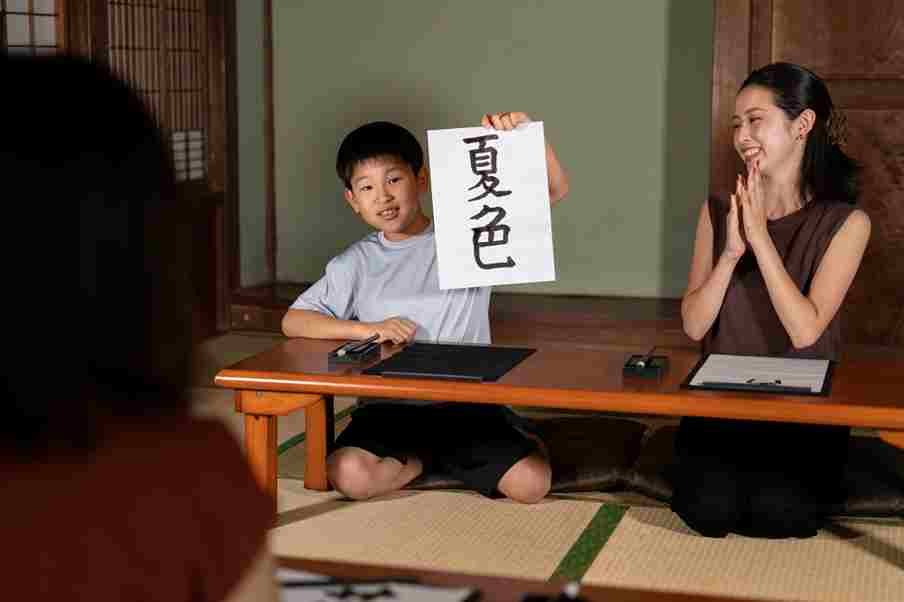
Traditional Japanese Homes (和風住宅, Wafū Jūtaku)
Traditional Japanese homes feature distinctive architectural elements that reflect cultural values about home and family. Tatami mat flooring, sliding doors (shoji and fusuma), and open floor plans promote flexibility and family interaction. The genkan, or entryway, serves as a symbolic threshold between the outside world and the inner sanctum of home. These design elements aren’t merely aesthetic—they embody philosophical principles about harmony, nature, and community.
Home-Related Customs
Japanese customs around the home reveal deep cultural values. Removing shoes before entering demonstrates respect for the home as a sacred space. The practice of seasonal decorations and the arrangement of furniture according to feng shui principles show how homes reflect spiritual and philosophical beliefs. Family meals around the dinner table, though becoming less common, remain important rituals that reinforce family bonds and the concept of home as a gathering place.
Popular Japanese Sayings About Home
Japanese culture includes numerous proverbs and sayings about home and family. One famous saying suggests that a home without laughter is like a house without windows. Another emphasizes that the family is the foundation of society. These sayings reflect cultural priorities and the importance of home in Japanese consciousness. Learning these expressions provides insight into how Japanese people think about and value their homes.
Frequently Asked Questions
Q: How do you say “home” in Japanese?
The most common words are “ie” (家), “uchi” (家), “jitaku” (自宅), and “ouchi” (お家), each with different contexts and nuances.
Q: Can “uchi” mean both “home” and “inside”?
Yes, “uchi” has multiple meanings. It can mean home, household, inside, or even “we” depending on context. The meaning becomes clear through sentence structure and surrounding words.
Q: What’s the difference between “ie” and “uchi”?
“Ie” emphasizes the physical building, while “uchi” emphasizes the household or family unit. “Uchi” is more personal and emotional, whereas “ie” is more neutral and factual.
Q: How do Japanese people express “going home”?
Common phrases include “ie ni kaeru” (家に帰る) for casual contexts and “kitaku suru” (帰宅する) for formal situations.
Q: Is there a word for “home sweet home” in Japanese?
While there’s no direct equivalent, “uchi wa ii tokoro da” (うちはいいところだ) meaning “home is a good place” captures similar sentiment. The phrase emphasizes warmth and comfort.
Practical Exercises: Using “Home” Words in Sentences
Sample Sentences with Translations
“Watashi no ie wa koko desu” (私の家はここです) – “My house is here.”
“Uchi ni kaeru mae ni kaimono shimasu” (家に帰る前に買い物します) – “I’ll do shopping before going home.”
“Jitaku no denwa bango wa…desu” (自宅の電話番号は…です) – “My home phone number is…”
“Ouchi de kazoku to issho ni imasu” (お家で家族と一緒にいます) – “I’m at home with my family.”
Fill-in-the-Blank Exercises
Practice choosing the correct word: “Shigoto kara _ ni kaeru” (仕事からに帰る) – “I return __ from work.” The answer is “ie” or “uchi” depending on whether you’re emphasizing the building or the household.
Conversation Starters
“Anata no uchi wa doko desu ka?” (あなたの家はどこですか?) – “Where is your home?”
“Uchi no kazoku wa genki desu” (うちの家族は元気です) – “My family is doing well.”
Conclusion
Understanding how do you say home in Japanese reveals much about the language and culture itself. The multiple words and expressions available—from the straightforward “ie” to the emotionally resonant “uchi” to the formal “jitaku”—reflect the complexity of what “home” means in Japanese society. Home in Japanese culture represents not just a physical space but a family unit, a source of identity, and a place of belonging.
By mastering these vocabulary choices and understanding their cultural contexts, language learners develop a deeper appreciation for Japanese communication and values. The journey to fluency involves more than memorizing words; it requires understanding the cultural framework that shapes how people think and speak. Whether you’re planning to visit Japan, conduct business there, or simply deepen your cultural knowledge, knowing how to properly express the concept of home in Japanese is a valuable and meaningful step in your language learning journey.