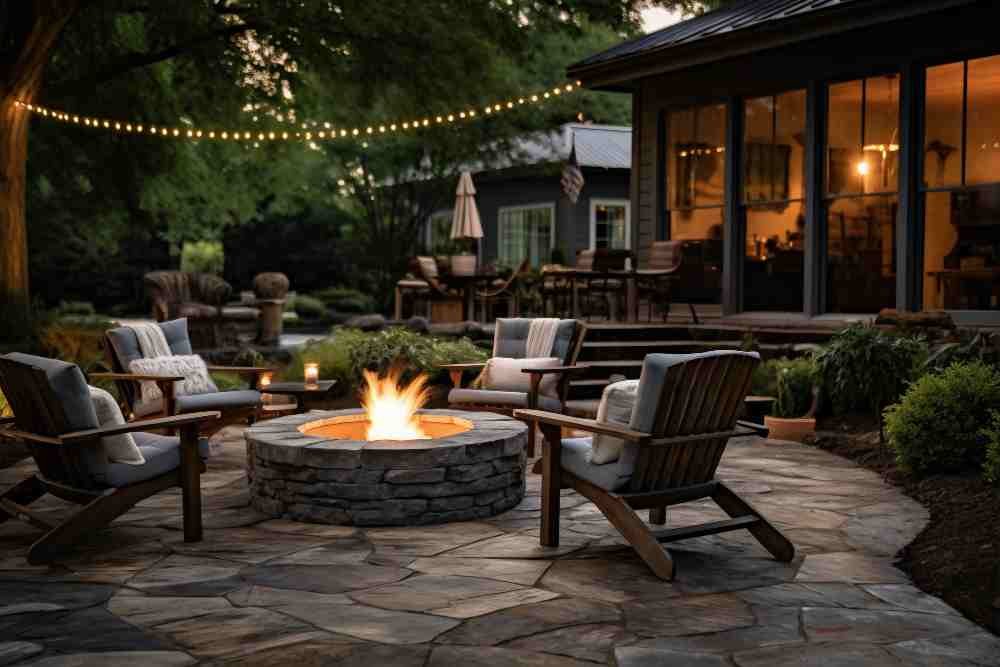


Have you ever stepped into a new house or apartment and felt like something was missing? That sense of comfort, warmth, and belonging that makes a space feel right? The saying “home is where you make it” reminds us that a home isn’t defined by its walls, size, or location—it’s about the effort and care we put into creating a space that reflects our unique selves. Whether you’re living in a sprawling house, a cozy apartment, or even an RV, the magic of home lies in your ability to personalize it and make it your own.
This article explores the mindset, strategies, and practical steps that can help anyone turn any living space into a sanctuary. From psychological insights to design hacks, we’ll uncover how to embrace the idea that “home is where you make it.” We’ll also share real-life stories, expert tips, and actionable advice to help you transform your space, no matter where you are in life. Ready to start? Let’s dive in.
The Philosophy Behind “Home Is Where You Make It”
The idea behind “home is where you make it” isn’t new—it has its roots in the 19th century when nomads and pioneers carried their sense of home with them as they moved from place to place. Over the years, this philosophy has evolved to emphasize the power of intentionality and adaptability in creating a home, no matter the circumstances.
Psychologists have found that cultivating a sense of home can reduce stress and improve overall well-being. According to a study by the American Psychological Association (APA), people who actively create a sense of home in their living spaces experience 20% lower stress levels compared to those who don’t. The reason? A home is more than just a physical space; it’s a reflection of your identity, values, and emotional anchors.
To embrace this mindset, start by shifting your perspective. Instead of focusing on the limitations of your living situation, think about what makes you feel connected to a space. Is it a cherished piece of furniture, a daily ritual, or the people who share the space with you? By focusing on these emotional anchors, you can create a home that feels uniquely yours, even in the most unlikely places.
Why Location Doesn’t Define Home: Real-Life Stories
The saying “home is where you make it” rings especially true for people who live unconventional lifestyles. Take, for example, RV dwellers who travel across the country, creating a cozy living space on wheels. These modern-day nomads often personalize their RVs with family photos, colorful decor, and small touches that remind them of home. Despite constantly being on the move, they’ve mastered the art of turning a vehicle into a sanctuary.
Similarly, expats living in tiny apartments in bustling cities like Tokyo or Paris often find creative ways to make their spaces feel like home. By incorporating familiar elements, such as favorite books, scents, or even a specific type of tea, they create a sense of comfort and stability in a foreign environment.
Interestingly, a Zillow survey found that 40% of millennials prioritize personalization over the size of a home. This statistic underscores the idea that it’s not about how much space you have—it’s about how you use it. Whether you’re a military family moving frequently or someone settling into their first apartment, the key is to focus on making the space yours.
Practical Strategies: Making a House Feel Like Home

Creating a home isn’t just about aesthetics—it’s about how a space makes you feel. Here are some practical strategies to help you transform any house or apartment into a welcoming sanctuary.
Start with Personal Touches – Declutter and Customize
The first step in making a house feel like home is to declutter and personalize it. Start by auditing your belongings and keeping only the items that spark joy or hold sentimental value. Once you’ve decluttered, add personal touches like family photos, artwork, or mementos from your travels.
Small changes can make a big difference. Consider these five quick wins for personalizing your space:
- Add custom throw pillows or blankets that reflect your style.
- Use scented candles or diffusers to create a signature scent for your home.
- Display meaningful items like books, souvenirs, or heirlooms.
- Incorporate plants to bring life and energy into the space.
- Rearrange your furniture to create a more functional and inviting layout.
The best part? These changes don’t have to break the bank. With a little creativity and a budget of under $50, you can make significant improvements that instantly make your space feel more like home.
Design Hacks for Any Space Size
No matter how big or small your living space is, design hacks can help you maximize comfort and functionality. For small apartments, multi-functional furniture is a game-changer. Think ottomans with hidden storage, foldable desks, or Murphy beds that save space during the day.
Color psychology also plays a crucial role in how a space feels. Warm colors like soft yellows and oranges can make a room feel cozy, while cooler tones like blues and greens create a calming atmosphere. Use these colors strategically to set the mood in different areas of your home.
Here are seven design hacks to try:
- Use vertical storage solutions to maximize space in small rooms.
- Create zones within open-concept spaces using rugs or furniture placement.
- Add mirrors to make a room feel larger and brighter.
- Use peel-and-stick wallpaper for a quick, temporary design upgrade.
- Hang string lights or fairy lights to add ambiance.
- Layer textures with rugs, pillows, and throws for a cozy feeling.
- Incorporate personal artwork or DIY projects for a unique touch.
Infuse Your Scent, Sound, and Routine
Our senses play a powerful role in creating a sense of home. The right scent, sound, and daily routines can transform a space into a comforting retreat. Start by choosing a signature scent for your home, whether it’s lavender essential oils, fresh-baked cookies, or a favorite candle.
Sound is another key element. Create playlists that match the vibe you want for different times of the day—energetic tunes for mornings and calming music for evenings. Incorporate textured items like plush rugs and soft blankets for a tactile sense of comfort.
Here’s a quick sensory checklist:
- Smell: Use essential oils or candles to create a familiar aroma.
- Sound: Play custom playlists or use a white noise machine for relaxation.
- Touch: Add textured fabrics and cozy materials for a welcoming feel.
Tech and Smart Upgrades for Modern Homes
Technology can also enhance your living space. Smart lights, for example, allow you to adjust the brightness and color of your rooms with a simple voice command. Apps like Spotify or Calm can help you set the mood with music or guided meditations.
If you’re looking for a more personalized touch, consider partnering with a professional service to install custom smart home features. Whether it’s a security system, automated blinds, or a smart thermostat, these upgrades can make your home more comfortable and convenient.
Overcoming Common Challenges When “Home Is Where You Make It”
Turning a house into a home isn’t always easy. Budget constraints, roommate conflicts, and frequent moves can make the process challenging. However, these obstacles can be overcome with a bit of creativity and planning.
For budget limits, focus on DIY projects and affordable upgrades. Paint an accent wall, sew your own curtains, or shop for second-hand furniture with character. If you’re dealing with roommates, establish clear boundaries and communicate openly about shared spaces. Frequent movers can benefit from portable decor, like peel-and-stick wall art or lightweight furniture that’s easy to transport.
One client shared their experience of transforming a small studio apartment into a cozy retreat by using thrifted decor and personalized touches. The result? A space that felt uniquely theirs, despite the limitations.
Business Angle: How “Home Is Where You Make It” Drives Customer Loyalty
For businesses in the home decor or interior design space, the philosophy of “home is where you make it” aligns perfectly with the idea of customer loyalty. By offering personalized solutions and focusing on the emotional connection people have with their homes, businesses can build lasting relationships with clients.
A study by IKEA revealed that personalized homes increase satisfaction by 30%. Whether it’s through custom furniture, tailored design consultations, or thoughtful recommendations, businesses that prioritize personalization are more likely to earn repeat customers. Testimonials from satisfied clients can further reinforce this trust, showcasing the impact of your services.
Long-Term Habits: Sustaining Your Personal Home Vibe
Creating a home isn’t a one-time effort—it’s an ongoing process. Daily rituals, seasonal updates, and periodic decluttering can help you maintain your sense of home over time. Consider setting aside time for a “home reset” each week to tidy up, rearrange decor, or simply enjoy your space.
As life changes, your home should evolve with you. Whether it’s adding a nursery for a new baby or upgrading furniture as your style matures, these updates ensure that your home continues to reflect who you are.
Final Thoughts: Make Home Where You Are Today
The beauty of the saying “home is where you make it” lies in its simplicity. It reminds us that home isn’t about a specific place—it’s about the love, effort, and intention we put into our living spaces. By embracing this mindset and applying the strategies shared in this article, anyone can create a sanctuary that feels truly theirs.
Ready to start transforming your space? Download our free checklist to begin your journey toward making your house feel like home.