

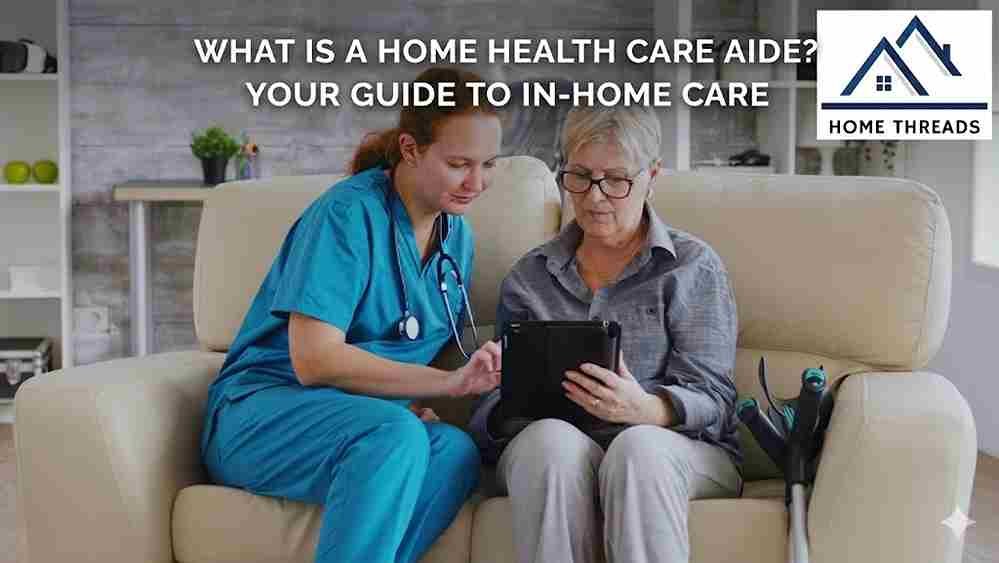
Did you know that by 2030, 1 in 6 people globally will be over the age of 65? With the aging population growing rapidly, the demand for in-home care services has become a crucial part of family health planning. A home health care aide is an essential resource for families looking to provide personalized care for their loved ones while ensuring they remain comfortable in their own homes.
A home health care aide is a trained professional who offers both medical and non-medical support to individuals who need assistance with daily living. From helping seniors maintain their independence to reducing hospital visits for patients recovering from surgery, these aides play a vital role in improving quality of life. In this guide, we’ll explore everything you need to know about home health care aides, including their responsibilities, benefits, hiring tips, costs, and why they may be the ideal solution for families. Let’s dive in to understand how they can make a difference in your loved one’s care.
The Role and Responsibilities of a Home Health Care Aide
Daily Tasks of a Home Health Care Aide
Home health care aides provide a wide range of services tailored to the needs of their clients. Their responsibilities often include:
- Personal Care: Assisting with bathing, dressing, grooming, and mobility.
- Medication Management: Reminding clients to take prescribed medications on time.
- Household Help: Light housekeeping, laundry, and meal preparation.
- Companionship: Providing emotional support and engaging in social activities.
- Errands: Grocery shopping or attending medical appointments with the client.
For clarity, here’s a comparison of tasks performed by home health care aides versus registered nurses:
| Task | Home Health Care Aide | Registered Nurse |
|---|---|---|
| Bathing and Dressing | Yes | No |
| Administering Medications | No (Reminders Only) | Yes |
| Wound Care | No | Yes |
| Emotional Support | Yes | No |
Medical vs. Non-Medical Home Health Aides
Home health care aides can be classified into two categories based on their qualifications:
- Certified Medical Aides: Trained to monitor vital signs, assist with minor medical care, and manage conditions like diabetes.
- Non-Medical Aides or Companions: Focus on providing assistance with daily activities, errands, and emotional well-being without offering medical care.
Skills and Qualifications Needed
A successful home health care aide should possess:
- Professional Training: Certification as a Certified Nursing Assistant (CNA) or Home Health Aide (HHA) is often required.
- Soft Skills: Empathy, patience, and strong communication skills are critical for establishing trust with clients.
- Reliability: Punctuality and dependability are essential for maintaining a consistent care routine.
In Pakistan, cities like Lahore offer training programs for aspiring home health care aides, ensuring they meet international standards for caregiving.
Benefits of Hiring a Home Health Care Aide for Your Loved Ones
Advantages for Seniors and Patients
One of the primary benefits of hiring a home health care aide is the ability to age or recover in the comfort of one’s home. Studies show that seniors receiving in-home care are 30% less likely to be readmitted to the hospital. Additional benefits include:
- Independence: Clients retain control over their daily routines and living environment.
- Personalized Care: Services are tailored to the individual’s specific needs and preferences.
- Improved Mental Health: Remaining at home often reduces feelings of isolation and depression.
Family Relief and Cost Savings
Hiring a home health care aide can also ease the burden on family members who may be acting as primary caregivers. Benefits include:
- Emotional Relief: Families experience less stress and burnout when they share caregiving responsibilities.
- Cost Efficiency: Home care is typically 40-50% cheaper than nursing home facilities, making it a more affordable option for long-term care.
Customized Care Plans
From post-surgery rehabilitation to dementia support, home health care aides can adapt to a variety of medical and non-medical needs. Their flexibility ensures that clients receive the care they need at every stage of life.
How to Choose the Right Home Health Care Aide
Key Qualities to Look For
When evaluating potential candidates, consider the following qualities:
- Experience: Look for aides with at least two years of experience, particularly in cases similar to your loved one’s needs.
- Credentials: Verify certifications such as CNA or HHA training.
- References: Speak to previous clients or employers to assess reliability and performance.
Questions to Ask During Interviews
To ensure you hire the right person, ask these key questions:
- What experience do you have with [specific condition, e.g., Alzheimer’s]?
- How do you handle emergencies?
- Are you comfortable preparing meals or assisting with hygiene tasks?
- Can you provide references from previous clients?
- Are you willing to work flexible hours or overnight shifts?
Vetting Agencies vs. Independent Hires
Home health care aides can be hired through agencies or independently. Here’s a quick comparison:
| Factor | Agency Hires | Independent Hires |
|---|---|---|
| Background Checks | Guaranteed | Must be conducted by family |
| Cost | Higher (agency fees included) | Lower |
| Availability | Managed by agency | May require negotiation |
Training and Certification for Home Health Care Aides
Essential Certifications Worldwide and in Pakistan
The qualifications required for home health care aides vary by country. Common certifications include:
- U.S.: CNA or HHA certification (40-75 hours of training).
- Pakistan: Training programs accredited by the Pakistan Nursing Council (PNC) or private institutes in cities like Lahore.
Ongoing Training and Skills Development
Continuous learning is essential for home health care aides, particularly those caring for clients with complex needs. CPR training, Alzheimer’s care strategies, and communication workshops are valuable additions to their skill set.
Costs of Home Health Care Aides: What to Expect

Average Rates and Factors Affecting Prices
The cost of hiring a home health care aide depends on several factors, including location, experience, and hours required. Here’s a breakdown:
| Region | Hourly Rate | Full-Time Monthly Cost |
|---|---|---|
| United States | $15-$30 | $2,500-$4,000 |
| Pakistan (Lahore) | PKR 1,000-2,500 | PKR 30,000-75,000 |
Insurance, Government Aid, and Funding Options
In Pakistan, programs like the EHSAAS initiative may help cover caregiving costs for low-income families. Globally, options like Medicare and Medicaid exist to assist with expenses.
Home Health Care Aide vs. Other Care Options: A Comparison
When deciding between a home health care aide and other caregiving options, it’s important to weigh the pros and cons:
| Option | Cost (PKR/hr) | Medical Skills | Home Comfort | Flexibility |
|---|---|---|---|---|
| Home Health Care Aide | 1,000-2,500 | Basic | High | High |
| Registered Nurse | 3,000+ | Advanced | High | Medium |
| Nursing Home | 50,000+/month | Full | Low | Low |
FAQs About Home Health Care Aides
What does a home health care aide do?
Home health care aides assist with daily living activities, provide companionship, and offer basic medical support when needed.
How much does a home health care aide cost in Pakistan?
Hourly rates range between PKR 1,000-2,500, with full-time monthly costs starting at PKR 30,000.
Can a home health care aide administer medication?
Certified aides can assist with medication reminders but may not administer medication unless specially trained.
Conclusion: Hire a Home Health Care Aide Today
A home health care aide can transform the caregiving experience for your loved ones and your family. From personalized care plans to reducing stress on family caregivers, these professionals provide invaluable support. If you’re considering hiring a home health care aide in Lahore or elsewhere, now is the time to explore your options. Contact us today for a free consultation and let us help you find the perfect match for your family’s needs.