

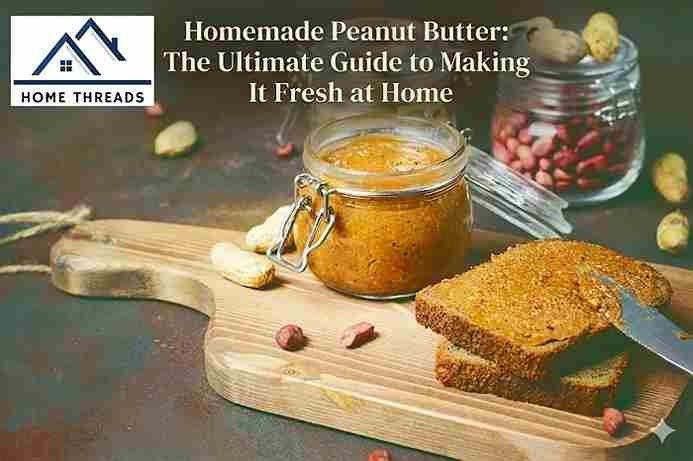
Have you ever wondered how much better peanut butter could taste if it was made fresh at home? For many, the answer lies in discovering the simplicity and satisfaction of creating homemade peanut butter. Store-bought jars are convenient, but they can come with unwanted additives, hidden sugars, and a hefty price tag. What if you could whip up a healthier, tastier alternative in just 10 minutes?
This guide will walk you through everything you need to know about making homemade peanut butter—from its health benefits to creative flavor ideas and practical storage tips. You’ll also learn how it stacks up against store-bought options and how to avoid common mistakes. Ready to get started? Let’s dive in.
Why Make Homemade Peanut Butter? (Top Reasons to Ditch the Store-Bought Stuff)
Making homemade peanut butter isn’t just fun—it’s also a smart choice for your health, wallet, and taste buds. Here’s why:
Control Your Ingredients
Store-bought peanut butter can contain hidden sugars, hydrogenated oils, and preservatives. When you make it at home, you control what goes in, ensuring a pure and natural product. For example:
- Homemade: Just peanuts, and maybe a pinch of salt or honey.
- Store-bought: Palm oil, added sugar, and artificial flavors.
A quick comparison of nutrition labels reveals the difference. Homemade peanut butter is free of unnecessary additives, making it a healthier option for everyone, including kids.
Cost Savings
Did you know that making peanut butter at home can be significantly cheaper? A pound of raw peanuts costs roughly $2-$4 and yields about two cups of peanut butter. That’s about $0.50 per serving compared to $2 or more for premium store-bought brands.
Superior Taste and Texture
Nothing beats the flavor of freshly ground peanuts. Homemade peanut butter allows you to customize the texture—go creamy or crunchy, depending on your preference. Plus, it tastes fresher and richer than most commercial options.
Health Edge
Homemade peanut butter is packed with natural fats, protein, and essential nutrients like magnesium and vitamin E. You can also customize it for your dietary needs, like reducing sugar for diabetics or using alternative nuts for allergies.
Health Benefits of Homemade Peanut Butter
Homemade peanut butter isn’t just delicious—it’s a nutritional powerhouse. Here are some key benefits:
- Rich in Healthy Fats: Contains monounsaturated fats that support heart health.
- Protein-Packed: A single tablespoon delivers around 4 grams of protein, essential for muscle repair and growth.
- Loaded with Vitamins and Minerals: Offers vitamin E, magnesium, and potassium, which are vital for overall wellness.
- Antioxidant Boost: Peanuts contain resveratrol, an antioxidant linked to heart health and anti-aging.
- Weight Management: Healthy fats and protein keep you full longer, reducing cravings.
- Blood Sugar Control: The natural fats slow sugar absorption, making it a great snack for people with diabetes.
Studies even show that regular peanut consumption can lower the risk of heart disease. Homemade peanut butter, free from added sugars and oils, amplifies these benefits.
Ingredients for the Best Homemade Peanut Butter Recipe
The beauty of homemade peanut butter lies in its simplicity. Here’s what you’ll need:
- Core Ingredient: 2 cups of roasted peanuts (unsalted and dry-roasted work best).
- Optional Additions:
- Sea salt for flavor.
- Honey or maple syrup for sweetness.
- Coconut oil for extra creaminess.
- Cocoa powder for a chocolate twist.
Pro Tip: Why Unsalted Peanuts?
Using unsalted peanuts gives you complete control over the saltiness of your peanut butter. You can always add a pinch of salt later, but it’s hard to take it out once it’s in.
Step-by-Step Homemade Peanut Butter Recipe (10 Minutes to Creamy Perfection)
Making homemade peanut butter is as easy as 1-2-3. Follow these steps for a foolproof result:
Ingredients
- 2 cups roasted peanuts
- Optional: ½ tsp sea salt, 1-2 tsp honey, 1 tsp coconut oil
Instructions
- Prepare the Peanuts: If using raw peanuts, roast them at 350°F for 10 minutes to enhance their flavor. Let them cool.
- Blend: Add the peanuts to a food processor. Blend for 5-8 minutes, stopping to scrape the sides as needed. The peanuts will go through stages—crumbly, pasty, and finally smooth.
- Add Flavor: Once smooth, add salt, honey, or coconut oil to taste. Blend for another 30 seconds.
- Store: Transfer to a glass jar and refrigerate. It will last up to 1 month in the fridge.
Troubleshooting
- Too Dry? Add a teaspoon of oil.
- Too Gritty? Blend for a few more minutes.
- Too Thick? Add a bit of water or milk (but note this shortens shelf life).
Tools You Need to Make Homemade Peanut Butter
Here’s what you’ll need to get started:
- Must-Have: A high-powered food processor or blender (e.g., Vitamix).
- Nice-to-Have: A baking sheet (if roasting peanuts) and a spatula for scraping.
- Budget-Friendly Options: You don’t need a $300 processor—a $50 model works fine for small batches.
Flavor Variations: 10 Creative Homemade Peanut Butter Recipes
Why stop at plain peanut butter when you can try these fun variations?
- Chocolate Peanut Butter: Add 1 tbsp cocoa powder and a splash of maple syrup.
- Spicy Peanut Butter: Mix in ½ tsp chili flakes for a kick.
- Honey Cinnamon: Add 1 tsp honey and ¼ tsp cinnamon.
- **Vanilla Almond Blend“`markhtml
Homemade Peanut Butter: The Ultimate Guide to Making It Fresh at Home
Have you ever stood in the grocery store aisle, staring at a jar of peanut butter priced at $5 or more, and wondered if there was a better way? The truth is, making homemade peanut butter takes just 10 minutes and costs a fraction of what you’d pay for store-bought versions. Not only is homemade peanut butter fresher and more delicious, but it also gives you complete control over what goes into your jar—no hidden sugars, mysterious oils, or artificial preservatives. Whether you’re health-conscious, budget-minded, or simply love the taste of real food, learning to make homemade peanut butter at home is a game-changer. In this comprehensive guide, we’ll walk you through everything you need to know about making homemade peanut butter, from the basic recipe to creative flavor variations and practical storage tips.
Why Make Homemade Peanut Butter? Top Reasons to Ditch the Store-Bought Stuff
There are several compelling reasons why so many people are switching to homemade peanut butter. First and foremost, ingredient control is a major advantage. When you make homemade peanut butter yourself, you know exactly what’s going into every spoonful. Store-bought versions often contain added sugars, hydrogenated oils, and preservatives that aren’t necessary for making delicious peanut butter. Many commercial brands add up to 4 grams of sugar per serving, while homemade peanut butter can be completely sugar-free or sweetened only with honey or maple syrup.
Cost savings represent another significant benefit. A single serving of homemade peanut butter costs roughly $0.50 to make, compared to $2 or more per serving for premium store-bought brands. If your family eats peanut butter regularly, the savings add up quickly. Beyond economics, the taste and texture of homemade peanut butter simply cannot be matched by commercial products. You can make it as creamy or crunchy as you prefer, and the fresh peanut flavor is noticeably superior.
Health advantages also make homemade peanut butter worth the minimal effort. Natural peanuts contain heart-healthy monounsaturated fats, plant-based protein, and important vitamins and minerals. By making homemade peanut butter, you preserve these nutritional benefits without the additives that commercial processing introduces. Additionally, if anyone in your family has allergies or dietary restrictions, homemade peanut butter allows you to customize recipes accordingly.
Health Benefits of Homemade Peanut Butter
Homemade peanut butter packs an impressive nutritional punch. Here are the key health benefits of making and eating homemade peanut butter:
- Rich in Heart-Healthy Fats: Homemade peanut butter contains monounsaturated fats that support cardiovascular health and help reduce bad cholesterol levels.
- Excellent Protein Source: With approximately 25 grams of protein per cup, homemade peanut butter is ideal for muscle building and recovery.
- Packed with Vitamins and Minerals: Peanuts provide vitamin E, magnesium, potassium, and B vitamins that support overall wellness.
- Natural Antioxidants: Peanuts contain resveratrol and other antioxidants that help fight inflammation and oxidative stress.
- Weight Management Support: The protein and healthy fats in homemade peanut butter promote satiety and can help with weight management.
- Blood Sugar Control: Unlike store-bought versions with added sugars, homemade peanut butter has minimal impact on blood sugar levels.
- No Artificial Additives: Making homemade peanut butter eliminates exposure to trans fats, artificial preservatives, and unnecessary sodium.
- Customizable for Dietary Needs: You can make homemade peanut butter lower in sodium, sugar-free, or with added superfoods like chia seeds.
Research from the National Institutes of Health has shown that regular consumption of peanuts and peanut products is associated with improved heart health and reduced risk of certain chronic diseases. When you make homemade peanut butter, you’re maximizing these health benefits by avoiding the processing and additives that commercial products contain.
Ingredients for the Best Homemade Peanut Butter Recipe
Making homemade peanut butter requires very few ingredients, which is part of its appeal. The foundation of any good homemade peanut butter recipe is simple:
- Roasted Peanuts: 2 cups of unsalted, dry-roasted peanuts form the base. Choose high-quality peanuts from reputable suppliers for the best results.
- Sea Salt (Optional): A pinch of sea salt enhances flavor without overwhelming the natural peanut taste.
- Honey or Maple Syrup (Optional): For those who prefer sweetness, a tablespoon of honey adds natural sweetness without refined sugar.
- Coconut Oil (Optional): A teaspoon of coconut oil can help achieve the perfect creamy texture if your peanuts are particularly dry.
- Flavor Additions (Optional): Cocoa powder, cinnamon, vanilla extract, or other spices can customize your homemade peanut butter.
When sourcing ingredients for homemade peanut butter, always buy unsalted, dry-roasted peanuts. This gives you complete control over sodium content and prevents over-salting. Look for peanuts that are fresh and free from mold or discoloration. If you can only find raw peanuts, you can roast them yourself at 350°F for about 10 minutes before making homemade peanut butter.
Step-by-Step Homemade Peanut Butter Recipe: 10 Minutes to Creamy Perfection
Prep Time: 5 minutes | Cook Time: 10 minutes | Total Time: 15 minutes | Yield: About 2 cups
Ingredients
- 2 cups unsalted, dry-roasted peanuts
- 1/4 teaspoon sea salt (or to taste)
- 1 tablespoon honey (optional)
- 1 teaspoon coconut oil (if needed for texture)
Instructions
- Prepare Your Peanuts: If using raw peanuts, spread them on a baking sheet and roast at 350°F for 10 minutes until fragrant. Allow them to cool slightly before proceeding.
- Add to Food Processor: Place 2 cups of roasted peanuts into a high-powered food processor or blender.
- Begin Blending: Pulse the peanuts for 1-2 minutes until they become coarse crumbs. Then blend continuously, stopping every minute to scrape down the sides.
- Continue Processing: After about 5-8 minutes of continuous blending, the natural oils from the peanuts will begin to release, and the mixture will start to become creamy.
- Achieve Desired Consistency: Continue blending until you reach your preferred texture. For creamy homemade peanut butter, blend for 8-10 minutes total. For chunky homemade peanut butter, blend for 5-7 minutes and pulse in some coarsely chopped peanuts at the end.
- Add Flavor (Optional): If desired, pulse in salt, honey, or other flavorings during the last minute of blending.
- Transfer to Jar: Spoon your homemade peanut butter into a clean glass jar.
- Store Properly: Keep your homemade peanut butter in the refrigerator for up to one month.
Troubleshooting Your Homemade Peanut Butter
- Too Dry or Grainy? Add 1 teaspoon of coconut oil and blend for another minute. Make sure you’re using fresh peanuts, as old peanuts have less natural oil.
- Too Thick? A tablespoon of coconut oil will thin it out. Start with a small amount and add more as needed.
- Not Blending Smoothly? Your food processor may not be powerful enough. Consider upgrading to a high-powered blender, or try processing in smaller batches.
- Separation After Storage? This is completely normal with homemade peanut butter. Simply stir the oil back in before serving.
Tools You Need to Make Homemade Peanut Butter
Creating homemade peanut butter doesn’t require fancy equipment, but having the right tools makes the process much easier. The most essential tool is a high-powered food processor or blender. A standard food processor works adequately, though it may take slightly longer to achieve a smooth consistency. High-powered blenders like Vitamix or Ninja produce results more quickly and efficiently.
For budget-conscious cooks, affordable food processors in the $50-100 range can successfully make homemade peanut butter, though they may take longer and require more frequent breaks to cool down. Additional helpful items include a baking sheet for roasting peanuts, a sturdy spatula for scraping down sides, and glass jars for storage.
Flavor Variations: 10 Creative Homemade Peanut Butter Recipes
Once you’ve mastered the basic homemade peanut butter recipe, experimenting with flavors is fun and easy. Here are 10 delicious variations:
1. Chocolate Homemade Peanut Butter
Add 2 tablespoons of unsweetened cocoa powder and 1 tablespoon of honey to your basic recipe. This creates a rich, chocolate-peanut flavor perfect for spreading on toast or stirring into smoothies.
2. Spicy Homemade Peanut Butter
Mix in 1/4 teaspoon of cayenne pepper and a pinch of chili powder for a kick. This works beautifully in Asian-inspired dishes and pairs well with vegetables.
3. Honey Cinnamon Homemade Peanut Butter
Combine 1 tablespoon of honey with 1 teaspoon of ground cinnamon. This warm, sweet variation is perfect for breakfast applications.
4. Vanilla Almond Homemade Peanut Butter
Blend 1.5 cups of peanuts with 0.5 cups of roasted almonds, then add 1 teaspoon of vanilla extract. This creates a more complex, sophisticated flavor profile.
5. Maple Pecan Homemade Peanut Butter
Use 1.5 cups of peanuts and 0.5 cups of roasted pecans, adding 1 tablespoon of pure maple syrup. This autumn-inspired version is exceptional on apple slices.
6. Coffee Homemade Peanut Butter
Stir in 1 teaspoon of instant coffee powder for a morning energy boost. This pairs wonderfully with whole grain toast.
7. Banana Homemade Peanut Butter
Add 1/4 cup of freeze-dried banana pieces. This creates a naturally sweeter homemade peanut butter without added sugar.
8. Coconut Homemade Peanut Butter
Mix in 1/4 cup of unsweetened shredded coconut and 1 tablespoon of coconut oil. This tropical variation is perfect for smoothie bowls.
9. Matcha Homemade Peanut Butter
Blend in 1 teaspoon of matcha powder for an antioxidant-rich green tea flavor. This modern variation appeals to health-conscious consumers.
10. Strawberry Homemade Peanut Butter
Add 1/4 cup of freeze-dried strawberries for a fruity twist. This creates a naturally pink homemade peanut butter that’s visually appealing and delicious.
Storage and Shelf Life of Homemade Peanut Butter
Proper storage is crucial for maintaining the quality of your homemade peanut butter. When stored in the refrigerator in an airtight glass jar, homemade peanut butter will keep for approximately one month. The cool temperature slows down the oxidation of the natural oils, preserving freshness and flavor.
If you prefer to store homemade peanut butter at room temperature in your pantry, it will last about two weeks. Keep it in a tightly sealed glass jar away from direct sunlight and heat sources. Freezing homemade peanut butter is an excellent option for long-term storage. Freeze it in ice cube trays for convenient portions that last up to three months.
Signs that your homemade peanut butter has spoiled include an off smell, visible mold, or a rancid taste. These are rare occurrences, but if you notice them, discard the batch immediately. The oil separation you may observe in homemade peanut butter is completely normal and not a sign of spoilage. Simply stir the separated oil back into the peanut butter before serving.
15 Delicious Ways to Use Homemade Peanut Butter
Beyond eating homemade peanut butter straight from the jar with a spoon, there are countless creative applications. Here are 15 delicious ways to use your homemade peanut butter:
1. Classic Toast Spread
Spread homemade peanut butter on whole grain toast and top with sliced bananas or berries for a nutritious breakfast.
2. Smoothie Base
Blend 2 tablespoons of homemade peanut butter into your favorite smoothie for added protein and creaminess.
3. Energy Balls
Mix homemade peanut butter with oats, honey, and dark chocolate chips, then roll into bite-sized balls for an easy snack.
4. Satay Sauce
Thin homemade peanut butter with coconut milk, soy sauce, and lime juice to create an Asian-inspired sauce for vegetables or grilled chicken.
5. Brownie Base
Add homemade peanut butter to brownie batter for extra richness and depth of flavor.
6. Overnight Oats
Stir homemade peanut butter into overnight oats along with milk and honey for a protein-packed breakfast.
7. Apple Dip
Mix homemade peanut butter with Greek yogurt and a drizzle of honey for a healthier dipping sauce.
8. Sandwich Filling
Layer homemade peanut butter with fresh berries and whole grain bread for a satisfying lunch.
9. Cookie Ingredient
Use homemade peanut butter as the base for homemade peanut butter cookies.
10. Protein Bars
Combine homemade peanut butter with oats, nuts, and dark chocolate to create no-bake protein bars.
11. Dressing for Noodles
Create a peanut noodle dressing by mixing homemade peanut butter with sesame oil and rice vinegar.
12. Stuffing for Dates
Fill pitted dates with homemade peanut butter for an elegant, naturally sweet treat.
13. Yogurt Swirl
Swirl homemade peanut butter into Greek yogurt for a creamy, protein-rich snack.
14. Soup Thickener
Add a spoonful of homemade peanut butter to African-inspired peanut soups for authentic flavor.
15. Dessert Frosting
Mix homemade peanut butter with powdered sugar and butter to create a delicious frosting for cakes and cupcakes.
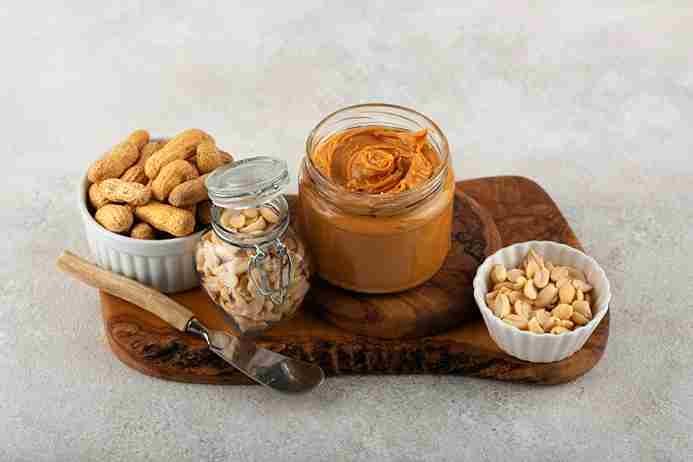
Homemade Peanut Butter vs. Store-Bought: Full Comparison
| Factor | Homemade Peanut Butter | Store-Bought Peanut Butter |
|---|---|---|
| Price per Serving | $0.50 | $2.00+ |
| Ingredients | Peanuts, salt, optional honey | Peanuts, sugar, oils, preservatives, additives |
| Added Sugar | 0-2g (if sweetened) | 2-4g per serving |
| Taste | Fresh, pure peanut flavor | Consistent but less vibrant |
| Texture Options | Fully customizable | Limited to brand options |
| Shelf Life | 1 month refrigerated | 6-12 months at room temperature |
| Artificial Additives | None | Often present |
| Nutritional Value | Maximum (minimal processing) | Good (some loss from processing) |
The clear winner for quality and value is homemade peanut butter. However, store-bought peanut butter remains convenient for those with limited time or access to food processing equipment. For most people, the superior taste, health benefits, and cost savings of homemade peanut butter make it the better choice.
Common Mistakes to Avoid When Making Homemade Peanut Butter
Learning to make homemade peanut butter is straightforward, but a few common mistakes can derail your efforts:
- Using a Weak Blender: A standard blender may struggle with homemade peanut butter. Invest in a high-powered option for best results.
- Skipping the Roasting Step: Raw peanuts produce inferior homemade peanut butter. Always use roasted peanuts or roast raw ones yourself.
- Adding Too Much Salt: It’s easy to over-salt homemade peanut butter. Start with a pinch and add more gradually.
- Not Blending Long Enough: Patience is key. Continue blending even when the mixture seems dry—the oils will eventually release.
- Using Old or Stale Peanuts: Fresh peanuts produce the best homemade peanut butter. Check expiration dates and store peanuts in cool, dry conditions.
- Adding Ingredients Too Early: Add sweeteners and spices near the end of blending to prevent them from being over-processed.
- Storing in Improper Containers: Glass jars are ideal for homemade peanut butter. Plastic can absorb oils and flavors.
Frequently Asked Questions About Homemade Peanut Butter
Can I use raw peanuts to make homemade peanut butter?
While technically possible, raw peanuts produce inferior homemade peanut butter. They lack the depth of flavor that roasting provides and can have a slightly bitter taste. Always use roasted peanuts or roast raw peanuts yourself at 350°F for 10 minutes before blending.
Is homemade peanut butter safe for dogs?
Plain homemade peanut butter without added sugar or xylitol is safe for dogs in moderation. However, always consult your veterinarian before introducing new foods to your pet’s diet.
How do I make crunchy homemade peanut butter?
For chunky homemade peanut butter, blend for only 5-7 minutes instead of the full 8-10 minutes. Then pulse in some coarsely chopped roasted peanuts during the final minute of blending.
Why is my homemade peanut butter separating?
Oil separation is completely normal in homemade peanut butter. The natural peanut oils rise to the top during storage. Simply stir them back in before serving. This doesn’t happen in store-bought versions because of added emulsifiers.
Can I make homemade peanut butter without a food processor?
A high-powered blender is the best alternative to a food processor. A standard blender may struggle. A mortar and pestle could theoretically work but would require extreme effort.
How much homemade peanut butter should I eat daily?
A typical serving is 2 tablespoons, which contains about 190 calories and 7 grams of protein. Most nutritionists recommend limiting intake to 1-2 servings daily as part of a balanced diet.
Can I add protein powder to homemade peanut butter?
Yes, you can blend in 1-2 tablespoons of vanilla or chocolate protein powder. Add it during the final minute of blending to prevent over-processing.
Final Thoughts: Start Making Homemade Peanut Butter Today
Making homemade peanut butter is one of the easiest and most rewarding kitchen projects you can undertake. In just 10 minutes, you can create a delicious, nutritious spread that tastes infinitely better than store-bought versions and costs a fraction of the price. Whether you prefer your homemade peanut butter smooth and creamy or chunky and textured, with chocolate, honey, or spices, the possibilities are virtually endless.
The benefits of homemade peanut butter extend beyond taste and cost savings. You’ll enjoy superior nutrition, complete control over ingredients, and the satisfaction of creating something wonderful from scratch. Start with the basic recipe, master the technique, and then experiment with flavor variations that suit your preferences.
Ready to transform your peanut butter experience? Grab some quality roasted peanuts, fire up your food processor, and enjoy the incredible results. Share your homemade peanut butter creations with us—we’d love to hear about your favorite variations and uses. Subscribe to our newsletter for more delicious recipes and kitchen tips delivered straight to your inbox.