
Introduction to Home Cholesterol Test
Have you ever wondered how to easily monitor your cholesterol levels without frequent doctor visits? A home cholesterol test offers a convenient and effective way to keep track of your heart health in the comfort of your own home. With cardiovascular disease remaining a leading health concern, understanding and managing cholesterol is more important than ever. This guide will cover everything you need to know about home cholesterol tests, from how they work and their benefits, to choosing the right test and interpreting your results.
What Is a Home Cholesterol Test?
Core Definition and Types
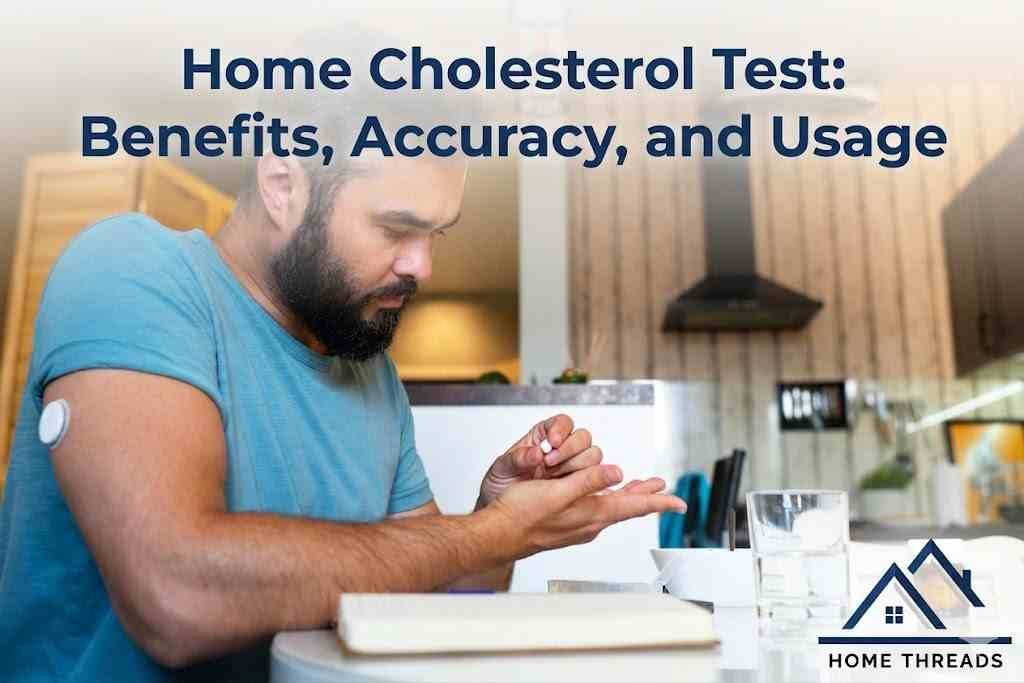
A home cholesterol test is a kit that allows individuals to measure their cholesterol levels through a simple finger-prick blood sample. These tests typically measure total cholesterol, HDL, LDL, and triglycerides. They come in two main types: digital meter-based kits for instant results and mail-in kits analyzed by certified labs.
Who Should Use a Home Cholesterol Test?
Ideal Candidates
Home cholesterol tests are beneficial for adults managing heart disease risk, those with family history of high cholesterol, individuals monitoring lifestyle or medication effects, and people seeking regular convenient health checks.
Benefits of Home Cholesterol Tests
Convenience and Privacy
Testing at home saves time and allows private health monitoring without clinic visits.
Cost-Effectiveness
Home kits are generally affordable compared to lab testing fees and doctor appointments.
Encourages Health Awareness
Regular testing helps users stay informed and proactive about heart health.
How Does a Home Cholesterol Test Work?
Step-by-Step Process
- Clean finger and use lancet to prick.
- Collect blood drop on test strip or sample container.
- Insert strip into digital meter or send sample to lab.
- View results immediately or wait for lab report.
- Record and track your cholesterol levels over time.
Understanding Your Cholesterol Numbers
Key Metrics
- Total Cholesterol: Below 200 mg/dL is desirable.
- HDL (Good Cholesterol): Higher levels above 60 mg/dL are protective.
- LDL (Bad Cholesterol): Aim for less than 100 mg/dL.
- Triglycerides: Should be under 150 mg/dL.
Common Mistakes When Using Home Cholesterol Tests
Not Following Instructions
Precision depends on adhering strictly to test kit guidelines.
Testing Without Fasting
Eating before testing can skew results; fasting for 9-12 hours is recommended.
Improper Sample Collection
Insufficient blood or contamination can cause inaccuracies.
Accuracy of Home Cholesterol Tests
While home tests offer reliable trend monitoring, lab tests remain the gold standard. Confirm abnormal or concerning home test results with a healthcare professional.
When to See a Doctor
If your home cholesterol test shows high LDL or low HDL consistently, or you experience symptoms like chest pain, consult your healthcare provider promptly.
Tips for Maintaining Healthy Cholesterol

Dietary Changes
Eat fiber-rich foods, reduce saturated fats, and incorporate healthy fats from fish and nuts.
Physical Activity
Engage in at least 150 minutes of moderate exercise weekly.
Quit Smoking
Smoking cessation improves HDL cholesterol levels and overall heart health.
Frequently Asked Questions About Home Cholesterol Tests
- How often should I test my cholesterol at home? Generally, every 3 to 6 months or as advised by your doctor.
- Can home cholesterol tests replace lab tests? They are good for monitoring but lab tests provide more comprehensive analysis.
- Does insurance cover home cholesterol tests? Coverage varies; check with your insurance provider.
Conclusion
A home cholesterol test empowers individuals to take control of their cardiovascular health with convenience and affordability. By understanding your cholesterol numbers and maintaining a healthy lifestyle, you can reduce the risk of heart disease and live a healthier life. Always consult healthcare professionals for comprehensive care and guidance.