

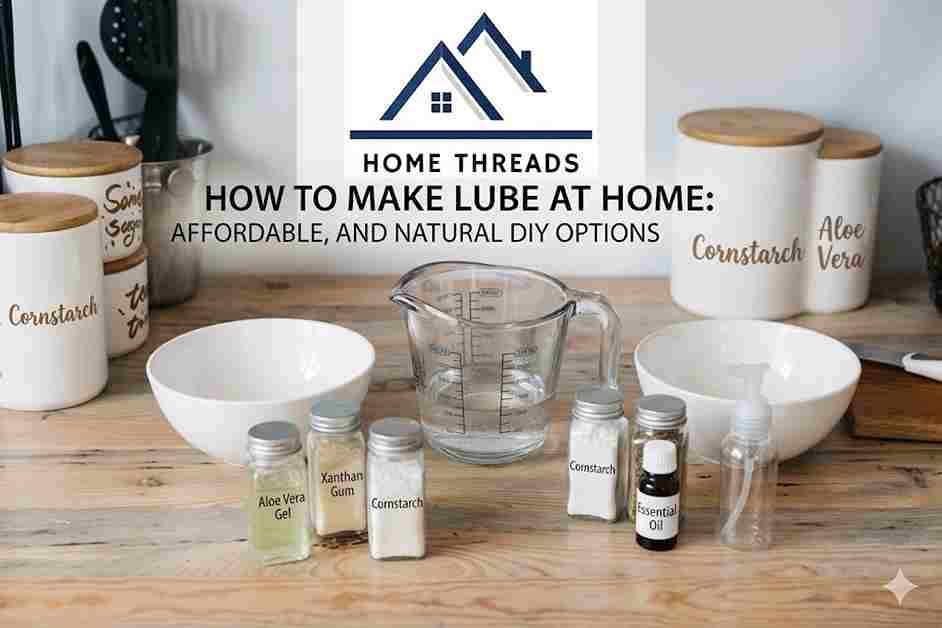
Have you ever found yourself out of lube at the most inconvenient moment or wondered if there’s a healthier, chemical-free alternative to store-bought lubricants? If so, you’re not alone. Many people are turning to homemade solutions to avoid artificial additives, save money, and customize products to their preferences. The good news is that learning how to make lube at home is simple, affordable, and safe when done correctly. Let’s explore the benefits, step-by-step recipes, and safety tips for creating your own DIY lubricants.
Why Make Lube at Home?
Benefits of DIY Lube
Making your own lube comes with several advantages:
- Control Over Ingredients: Many commercial lubricants contain parabens, glycerin, and other chemicals that can irritate sensitive skin. DIY lube allows you to avoid these common irritants.
- Cost-Effectiveness: Homemade lube is much cheaper than store-bought options, as it uses simple, everyday ingredients.
- Environmentally Friendly: By making your own lube, you reduce reliance on plastic packaging and synthetic products.
- Customization: You can adjust the consistency, scent, and ingredients to suit your preferences and needs.
Concerns with Commercial Lubricants
Store-bought lubricants often include ingredients that\\\\\\ may not be suitable for everyone. For example, parabens and glycerin can cause irritation or increase the risk of infections in some individuals. Petroleum-based products may also degrade latex condoms, making them unsafe for use. These concerns drive many people to seek natural, homemade alternatives.
Who Should Consider Making Lube at Home?
DIY lube can be a great option for people with sensitive skin, allergies, or those who want to avoid artificial ingredients. It’s also an excellent solution for anyone looking for a quick, cost-effective alternative when store-bought lube isn’t available. Health-conscious individuals who prioritize natural products will find homemade lube particularly appealing.
Types of DIY Lubes and Their Uses
Water-Based DIY Lubes
Water-based lubes are versatile and easy to prepare. They’re suitable for personal intimacy, massage, and general lubrication needs. These lubes are lightweight, non-greasy, and safe to use with latex condoms and most toys.
Oil-Based DIY Lubes
Oil-based lubes, such as those made with coconut or olive oil, provide long-lasting moisture and smoothness. They’re ideal for massages and personal use but are not compatible with latex condoms or silicone toys. These lubes are particularly moisturizing, making them a good choice for individuals with dry skin.
Hybrid and Specialty Lubes
Hybrid lubes combine water and oil-based ingredients for a unique texture and enhanced performance. Specialty lubes, such as warming or cooling variations, can be created by adding specific essential oils. These options allow you to customize your DIY lube for specific sensations or purposes.
How to Make Lube at Home: Step-by-Step Recipes
Water-Based Lube Recipe
Ingredients:
- 1 cup of water
- 2 tablespoons of cornstarch
- Optional: a few drops of essential oil for scent
Instructions:
- Heat the water in a small saucepan over medium heat.
- Gradually whisk in the cornstarch until fully dissolved.
- Stir continuously until the mixture thickens to your desired consistency.
- Remove from heat and let it cool completely.
- Store in a clean, airtight container, and refrigerate for up to one week.
This simple recipe creates a smooth and lightweight lube that’s perfect for personal use.
Aloe Vera-Based Natural Lube
Ingredients:
- 1 cup of pure aloe vera gel
- 1/4 cup of water
- Optional: a few drops of vitamin E oil
Instructions:
- Mix the aloe vera gel and water in a bowl until smooth.
- Add vitamin E oil for extra hydration, if desired.
- Store in a clean container and refrigerate for up to two weeks.
Aloe vera is soothing and gentle, making this lube ideal for individuals with sensitive skin.
Coconut Oil-Based Lube
Ingredients:
- 1 cup of virgin coconut oil
- Optional: a few drops of lavender or chamomile essential oil
Instructions:
- Warm the coconut oil until it melts into a liquid.
- Add essential oils for scent, if desired.
- Pour into a glass jar and let it solidify at room temperature.
Coconut oil is moisturizing and antibacterial, but it should not be used with latex condoms due to compatibility issues.
Olive Oil-Based Lube
Ingredients:
- 1 cup of extra virgin olive oil
Instructions:
- Pour the olive oil into a clean container.
- Use as needed for massage or lubrication.
While olive oil is nourishing and long-lasting, it may stain fabrics and is not compatible with latex condoms.
Hybrid Water & Oil-Based Lube
Ingredients:
- 1/2 cup of aloe vera gel
- 1/4 cup of coconut oil
- Optional: 1 teaspoon of glycerin for added smoothness
Instructions:
- Warm the coconut oil until it becomes liquid.
- Mix it with the aloe vera gel until fully combined.
- Add glycerin, if desired, for a silkier texture.
- Store in a clean container and refrigerate.
This hybrid lube offers the hydration of aloe vera with the long-lasting smoothness of coconut oil.
Specialty Lube Variations
Warming Lube Recipe:
Add a few drops of cinnamon or ginger essential oil to any of the above recipes for a warming sensation.
Cooling Lube Recipe:
Include a drop or two of peppermint essential oil for a cooling, tingling effect.
Always dilute essential oils properly to avoid irritation and test on a small patch of skin before use.
Safety Tips and Precautions
Ingredient Safety
Use food-grade or skin-safe ingredients to avoid irritation or infections. Avoid using sugar, petroleum jelly, or synthetic oils, as these can disrupt the body’s natural balance.
Compatibility with Condoms and Toys
Water-based lubes are safe for use with latex condoms and silicone toys, while oil-based lubes are not. Always check compatibility before use to prevent damage.
Storage and Shelf Life
Store DIY lubes in clean, airtight containers and refrigerate when necessary. Discard any lube that develops a strange smell, texture, or color.
Who Should Avoid DIY Lubes?
Individuals with severe allergies, infections, or medical conditions should consult a healthcare provider before using homemade lubes.
Common Mistakes to Avoid When Making Lube at Home
Using Unsafe Ingredients
Avoid harmful ingredients like sugar or undiluted essential oils, which can cause irritation or infections. Use only skin-safe, natural products.
Incorrect Storage
Improper storage can lead to bacterial growth. Always use clean utensils and containers, and refrigerate when necessary.
Ignoring Personal Sensitivities
Test a small amount of lube on your skin before full use to check for allergic reactions or irritation. Customize recipes to suit your individual needs.
Advantages of DIY Lube Over Store-Bought Options
Health Benefits
Homemade lubes are free from harmful chemicals like parabens and glycerin, reducing the risk of irritation or allergic reactions.
Environmental Impact
Making your own lube reduces packaging waste and reliance on synthetic products, supporting a more sustainable lifestyle.
Cost Savings
DIY lubes are significantly cheaper than store-bought alternatives, saving you money in the long run. A single batch often costs just a few dollars to make.
Creative Uses for DIY Lubes Beyond Intimacy
Massage and Skincare
Coconut oil and aloe vera-based lubes double as massage oils and moisturizers, providing hydration and relaxation.
Household Uses
Oil-based lubes can be used for squeaky hinges, sticky zippers, or other household tasks needing lubrication.
Stress Relief and Aromatherapy
Add calming essential oils like lavender to create a dual-purpose lube that promotes relaxation and stress relief.
Conclusion
Learning how to make lube at home is a practical, cost-effective, and eco-friendly way to take control of your personal care products. By using natural, safe ingredients, you can create customized lubes that suit your needs while avoiding harmful chemicals found in commercial options. With the recipes and tips provided in this guide, you’re ready to explore the world of DIY lubricants. Try these recipes, experiment with variations, and share your favorite creations with friends or in the comments section below!