

The smell of freshly baked bread wafting through your home is one of life’s simplest joys. Imagine slicing into a warm loaf of homemade bread, its crust perfectly golden and its interior soft and fluffy. For many, baking bread at home is a therapeutic and rewarding experience. But why choose homemade bread over store-bought options?
Store-bought bread often falls short due to preservatives, additives, and a lack of freshness. On the other hand, homemade bread is healthier, customizable, and far more satisfying to make. From controlling the ingredients to enjoying the process of baking, there are countless reasons to embrace the art of making bread at home. In this guide, we’ll explore the benefits of homemade bread, share essential tips, and provide step-by-step recipes to help you get started.
Why Choose Homemade Bread Over Store-Bought?
The Health Benefits of Homemade Bread
Homemade bread is a healthier alternative to store-bought bread for several reasons. By baking your own bread, you eliminate preservatives and artificial additives often found in commercial loaves. Instead, you gain full control over every ingredient.
- Higher Nutritional Value: Homemade bread can be made with whole grains, which are rich in fiber and nutrients. According to Harvard Health, consuming whole grains reduces the risk of heart disease by 20%.
- Customizable Options: Whether you follow a gluten-free, low-sugar, or vegan diet, you can tailor homemade bread recipes to fit your dietary needs.
Cost Savings and Quality Control
Making bread at home is not only healthier but also more economical.
| Type of Bread | Cost Per Loaf (Homemade) | Cost Per Loaf (Store-Bought) |
|---|---|---|
| Basic White Bread | $0.50 | $3.00–$4.00 |
| Artisan Sourdough | $1.00 | $5.00+ |
By baking at home, you save money while ensuring the freshest quality. Unlike store-bought bread, which may sit on shelves for days, homemade bread is enjoyed at its peak freshness.
The Joy of Baking Homemade Bread
Baking bread is more than just a culinary task—it’s an emotional experience. Many bakers describe it as therapeutic, as the process of kneading dough or watching it rise provides a sense of accomplishment. Additionally, baking bread can bring families together, creating lasting memories as you share the fruits of your labor.
Essential Ingredients for Perfect Homemade Bread
Key Ingredients in Homemade Bread
Making homemade bread requires just a few simple ingredients, but each one plays a critical role in achieving the perfect loaf.
- Flour: The foundation of any bread. All-purpose flour is versatile, while bread flour has a higher protein content for better structure. Whole wheat flour adds fiber and a nutty flavor.
- Yeast: Active dry yeast and instant yeast are common options. Yeast ferments the dough, causing it to rise.
- Salt: Enhances flavor and controls yeast activity.
- Water: Hydrates the flour and activates the yeast.
- Sugar or Honey: Feeds the yeast and adds a touch of sweetness.
Substitutions and Additions
Want to get creative? Add-ins like seeds, dried herbs, or garlic can elevate your bread’s flavor. For a healthier twist, substitute white flour with whole wheat or gluten-free options.
Ingredient Tips
- Use fresh yeast for the best rise. Expired yeast can lead to a dense loaf.
- Too much salt can inhibit yeast activity, so measure carefully.
Must-Have Tools and Equipment for Homemade Bread
Essential Tools for Beginners
Making homemade bread doesn’t require fancy equipment, but having the right tools can make the process smoother:
- Mixing Bowl: A large, sturdy bowl for combining ingredients.
- Loaf Pan: Ideal for shaping sandwich bread.
- Digital Scale: Ensures precise measurements for consistent results.
- Proofing Basket: Helps shape artisan loaves and supports the dough during proofing.
Advanced Tools for Pro Bakers
For those looking to level up their baking game, consider:
- Dutch Oven: Perfect for achieving a crusty artisan loaf.
- Bench Scraper: Useful for shaping and dividing dough.
- Kitchen Thermometer: Ensures your dough reaches the ideal temperature for rising (around 27-30°C).
Step-by-Step Guide: Basic Homemade Bread Recipe
Foolproof No-Knead Homemade Bread Recipe
This simple recipe is perfect for beginners and yields a delicious loaf every time.
Ingredients
- 3 cups all-purpose flour
- 1 ½ teaspoons salt
- ½ teaspoon instant yeast
- 1 ½ cups warm water
Instructions
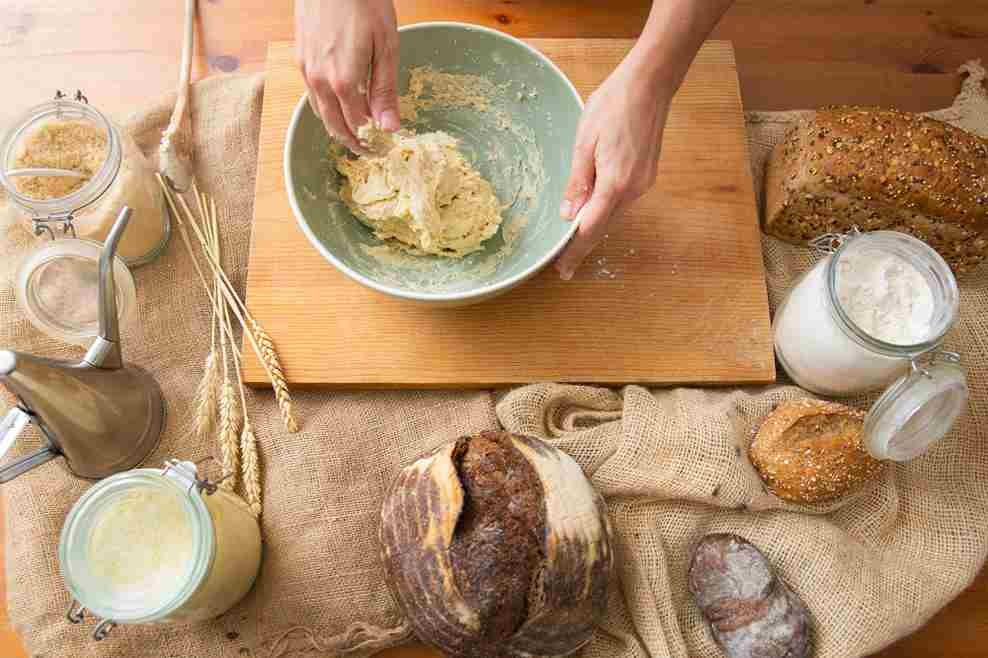
- Mix the Dough: In a large bowl, combine flour, salt, and yeast. Gradually add warm water and stir until a shaggy dough forms. Cover with plastic wrap and let it rest for 12-18 hours at room temperature.
- First Rise: After resting, the dough should be bubbly and doubled in size. Turn it out onto a floured surface and shape it into a ball.
- Proof the Dough: Place the dough in a proofing basket or on parchment paper, cover, and let it rise for 1-2 hours.
- Bake the Bread: Preheat your oven to 450°F (232°C). If using a Dutch oven, heat it in the oven for 30 minutes. Carefully place the dough inside, cover, and bake for 30 minutes. Remove the lid and bake for an additional 15 minutes for a golden crust.
Troubleshooting Common Homemade Bread Issues
- Dense Loaf: Caused by under-kneading or expired yeast.
- Flat Top: Indicates weak gluten development.
Advanced Homemade Bread Recipes to Try
Rustic Sourdough Homemade Bread
Master the art of sourdough with this recipe. Feed your starter 24 hours in advance, then follow a long fermentation process to create a tangy, chewy loaf.
Seeded Whole Wheat Homemade Bread
Packed with nutrients, this recipe combines whole wheat flour with flaxseeds, chia seeds, and sunflower seeds for added crunch and flavor.
Sweet Cinnamon Swirl Homemade Bread
For a dessert twist, this recipe features a cinnamon-sugar filling rolled into the dough, creating a sweet and aromatic treat.
Tips and Tricks for Bakery-Worthy Homemade Bread
- Autolyse Technique: Letting flour and water sit before adding yeast improves texture and gluten development.
- Steam Hacks: Place a pan of water in the oven to create steam for a crispy crust.
- Storage Tips: Freeze slices to maintain freshness.
Health and Nutrition: Maximizing Benefits of Homemade Bread
Homemade bread allows for healthier customization. For example, replace white flour with whole wheat for added fiber, or reduce sugar for a low-carb option.
| Nutrient | Homemade Bread | Store-Bought Bread |
|---|---|---|
| Fiber (per slice) | 2-4g | 1-2g |
| Preservatives | None | Yes |
FAQ: Homemade Bread Questions Answered
What is the easiest homemade bread recipe for beginners?
The no-knead recipe is perfect for beginners due to its simplicity and minimal effort.
How long does homemade bread last?
Homemade bread stays fresh for 2-3 days at room temperature or up to 3 months in the freezer.
Can I make homemade bread without yeast?
Yes! Try soda bread, which uses baking soda as a leavening agent.
Why does my homemade bread not rise?
Check your yeast—it may be expired or the water temperature too hot, which can kill the yeast.
What’s the best flour for homemade bread?
Bread flour is ideal for structure, but all-purpose flour works well for most recipes.
Conclusion
Homemade bread is more than just food—it’s a celebration of tradition, health, and creativity. From its unmatched freshness to the joy of baking, it’s no wonder more people are embracing this timeless craft. Ready to try it yourself? Grab your ingredients today and let the magic of baking fill your home!