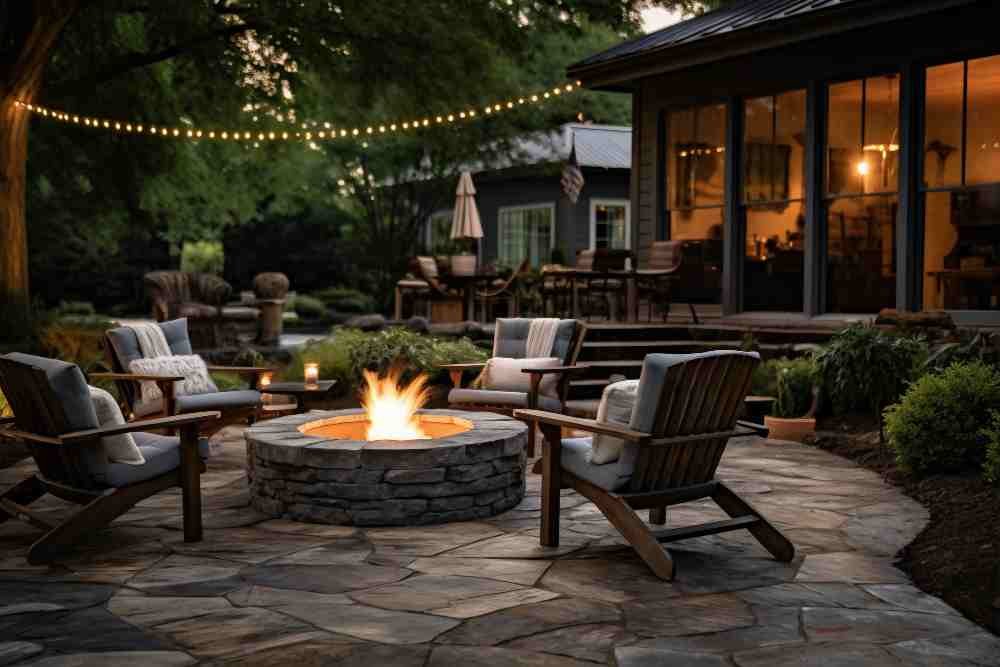

Most homeowners consider landscaping, and they tend to concentrate on the outward appearance of the daytime front-yard plants, colourful flowers and lawns. Nevertheless, your landscape design could greatly affect the appearance of your house at night, and the spring season is the time to consider it. The landscaping choices implemented strategically would not only result in improved visibility but also an inviting and aesthetic nighttime sight.
Plant Placement and Light Flow
Plant placement is one of the most significant factors. The plants, bushes, and flower beds shall be designed in a way that is both pleasing and practical. Thick plantations can give privacy as well as shade during the daytime, but block sources of light or cause undesirable shadows during the night. When spacing plants carefully, the lighting of the outdoors is made to flow freely and light up the pathways, architectural features, and focal points without hindrance.
Planning for Tree Growth
Tree growth is another key consideration. Although young trees might appear innocent, they can easily develop into big canopies that disrupt lighting as they grow. Branches may prevent lights or produce unwanted shadows in your yard and house facade. Future growth planning guarantees the longevity of your lighting system so that it will work well to provide you with the desired results over the years. To balance between light and vegetation, pruning and proper choice of tree species may be of use.
Maintaining Clear Sightlines from the Street
Street views are also essential to the appearance at night. Your residence must not be closed off and hostile at night. Trees or vines that grow over entrances, windows, or ornaments can block access points. With clear sightlines, you will enable lighting to emphasise the optimum features of your home. This is particularly necessary in matters related to safety, as lighting prevents possible intruders, besides making the movements of guests easier.
How Lighting Enhances Landscaping Features
Light can be said to be a companion to landscaping. The uplighting can be used to highlight trees and architecture, and the lights on the paths will lead the movements across the yard. Lighting is more effective and more pleasing to the eye when it is thoughtfully planned for landscaping. As an example, lights can be used close to a rough surface, such as stone walls or layered plant beds, to give depth and dimension at night.
Seasonal Lighting and Landscape Integration
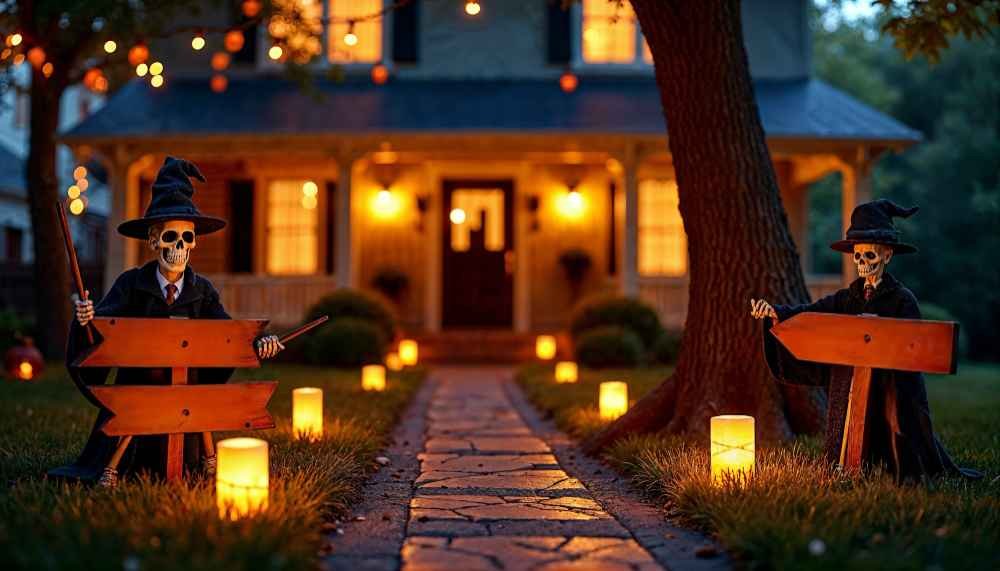
The smart landscaping also helps with seasonal lights, especially around the time of the holidays. Light displays and decorations appear more harmonious with the existing landscape elements. A designed yard gives natural supports to the lights, like trees to wrap, bushes to outline. To achieve a professional outcome, such homeowners would hire a company such as Scottsdale AZ, Christmas lighting company to help them have their holiday lights enhance their landscape as opposed to rival it.
Final Thoughts
Finally, spring is the right time to review and revise your landscaping with nighttime visuals in mind. Through careful selection of plant placement, predicting the growth of trees and ensuring that there are clear lines of view, you can come up with a landscape which appears equally beautiful in the evening as it does in the daytime. This, together with properly planned lighting, will result in your outdoors becoming a harmonious, welcoming area that will add to the overall appeal of your home.