

Severe storms can damage a roof and expose the home to moisture. Rain or falling debris sometimes leaves gaps that threaten the interior. Quick action helps protect the structure before permanent work begins. Covering open areas reduces interior dampness and keeps the house secure.
A temporary tarp for roof leaks offers the first layer of defense. It stops water from entering damaged spots and preserves the structure. This temporary fix reduces costly repairs and maintains comfort indoors. Acting promptly limits damage and allows professionals time to plan. Homeowners benefit from quick, affordable, and simple roof protection methods.
Roof Damage Causes
A roof may weaken after repeated rainfall or wind pressure. Cracked shingles and lifted tiles sometimes allow moisture to pass through. Poor maintenance can also shorten a roof’s lifespan gradually. Ignoring early signs of damage increases future repair requirements.
When small cracks appear, water seeps beneath protective layers easily. Dampness spreads through wood and insulation over a short period. Such exposure affects ceilings and weakens supporting beams slowly. Preventing leaks early helps protect the structure from deeper harm.
Purpose of Temporary Roof Covers
Temporary covers serve as emergency protection against active leaks. They block rainfall and help maintain a dry indoor climate. Tarps extend coverage beyond open areas to prevent edge seepage. This measure gives homeowners time to schedule professional repairs.
These covers reduce water entry and keep insulation intact longer. They also limit airflow loss from broken roofing panels. The strength of a tarp helps maintain indoor comfort and dryness.
Steps for Correct Placement
Placing a tarp correctly ensures long-lasting and stable protection. The roof must be cleared of debris before applying the cover. The tarp should extend several feet beyond the damaged space. Boards, ropes, or sandbags help secure the corners tightly.
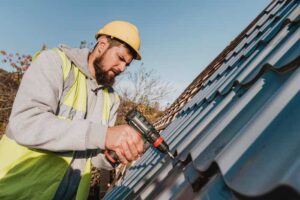
Safety is essential in every stage of placement and removal. Gloves and firm shoes help prevent slips during setup. Avoiding sharp tools near the tarp prevents accidental cuts or holes. After installation, each edge should be checked for tightness regularly.
Advantages of Using Temporary Tarps
A tarp limits exposure to moisture that causes material weakness. It helps preserve roofing layers and protects inner ceilings. This temporary method offers a balance between cost and reliability. It’s a straightforward approach that supports continued safety indoors.
Key benefits include:
- Simple installation with limited equipment required
- Adaptability to different roof designs and angles
- Affordable short-term protection during repair delays
- Prevents interior dampness and mold growth
- Easy removal once permanent repairs are complete
Durability and Timely Removal
Tarps last longer when maintained through routine visual checks. Exposure to sunlight or strong wind can wear the material. Replacing damaged sections maintains stability across changing conditions. Clean removal prevents trapped moisture from forming underneath.
A temporary tarp for roof leaks helps maintain protection before full repair. Once restoration begins, removal allows proper roof inspection. Regular monitoring keeps the surface clean and strong for future use. Steady care ensures roofs stay dry and homes remain safe year-round.
Why Trust Trained Specialists
A temporary tarp provides short-term support before repair. Still, expert service ensures lasting results beyond immediate fixes. Trained professionals use the right tools and tested installation methods. Their accuracy protects both structure and household comfort under all conditions.
Professional teams offer dependable help without delay during critical times. They follow safety standards that ensure smooth operations every visit. Homeowners appreciate detailed inspections and consistent maintenance advice afterward. Trust in professional service keeps every roof strong and secure.