
The heating, ventilation, and air conditioning system is one of the most important parts of any home or building. It keeps the air clean, maintains comfort, and ensures high energy efficiency year-round. However, these complex systems require professional installation, maintenance, and care to ensure long-term performance. If trained contractors regularly service an HVAC unit, it may perform well and last longer than usual. Over time, the relationship with an HVAC contractor is not just about buying and selling. It is also about preventing problems, fixing them, and planning for the future. This relationship determines how long equipment can operate at peak performance before replacement is required.
How Professional Oversight Protects HVAC Systems
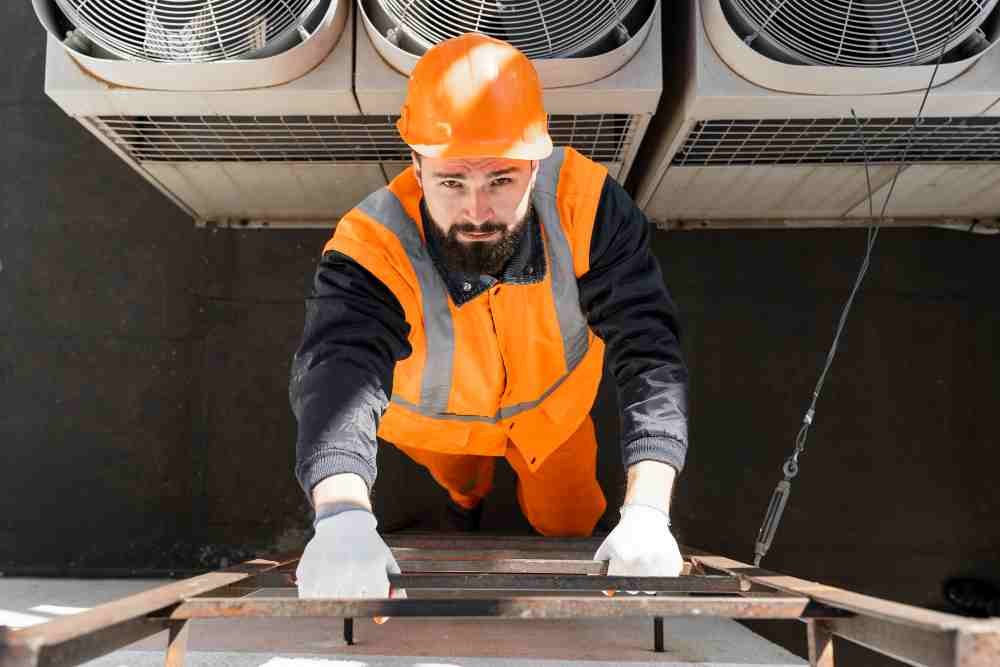
Regular maintenance by licensed contractors ensures HVAC systems operate at peak efficiency and last longer. Each part, from filters to motors, works well together when properly checked during a regular maintenance visit. HVAC contractors know how to pick up on subtle cues that the typical owner might miss, such as when performance slows slightly or when the equipment makes mechanical noises. During regular inspections, they can fine-tune the equipment, tighten all electrical connections, clean critical components, and check air balancing across all ducts. Licensed contractors who perform regular maintenance on HVAC systems ensure they operate efficiently and last as long as possible. This reduces stress on the equipment and extends its life cycle, saving property owners money on wasted energy costs.
- Maintenance Precision and Longevity Impact
The level of precision HVAC contractors use when performing maintenance work directly relates to the system’s longevity. Even the smallest particulars, such as the levels of the refrigerant, the position of the fan, and the blower speed, can have a combined effect, ensuring that the HVAC system functions in the most efficient manner or leading to mechanical stress. An experienced HVAC company in Peoria, AZ, will likely use testing equipment to verify airflow levels, electrical load, and component temperatures to confirm the system is operating optimally. This ensures the system operates at optimal levels as prescribed by the manufacturer and that even minor inefficiencies, which can lead to costly repairs, are addressed proactively.
- The Importance of Correct Installation from the Start
The system’s longevity can begin on the first day of installation. Fewer issues arise over the lifetime of an HVAC system that is properly designed and installed. Contractors ensure unit sizing matches the building’s or subdivision’s load requirements, thereby avoiding strain from oversized or undersized systems. Poorly sized systems tend to have shorter cycles, which increases wear and energy use. Installation cannot begin until contractors determine the heat gain, proper duct sizing, and insulation levels in advance to ensure balanced performance. The HVAC system can run smoothly and use energy efficiently when the installation meets the exact technical standards. This basic accuracy also helps prevent mechanical fatigue over time, which can occur when air or pressure is not balanced properly.
- Preventive Service Reduces Major Repair Needs
Regular inspections by contractors help identify these issues before they lead to serious mechanical breakdowns. By keeping coils clean, motors lubricated, and thermostats functioning, contractors enable the system to run efficiently year-round. Overload, one of the primary factors contributing to the degradation of mechanical systems, will be eliminated since mechanical components will be moving freely, with all electric supplies operating within normal voltage parameters. All these factors ultimately translate into lower energy use and fewer calls to emergency services.
- Monitoring Seasonal Efficiency and Energy Balance
Each season has specific conditions that pose different challenges for HVAC systems, including low temperatures, high humidity, and high temperatures, which can push a system beyond its limits and cause it to feel stressed or strained. Repair technicians keep an eye on how the HVAC systems respond to environmental stresses and turn down or even install new systems when need be, before the onset of the next season, such as the arrival of summer, when they check the refrigerant levels and ensure no obstructions to the condenser to allow smooth and effortless cooling without adding to the burden of the system.
- How Contractors Improve Indoor Air and System Health
Beyond mechanical aspects, HVAC contractors also manage and influence a building’s air quality, which is closely linked to equipment condition. Contamination by dust, biological material, and filters may, in turn, result in airflow restriction and thus component overloading. The contractor mitigates these factors by replacing filters, cleaning ducts, and ensuring there is no water accumulation, which may damage electrical components and insulation. Ensuring clean airflow also reduces strain on blowers and fans, enabling them to run more efficiently for longer. It further ensures that sensitive mechanical parts are protected from corrosion and overheating caused by high humidity and poor air filtration.
- Technology Integration and Smart Monitoring
Modern HVAC contractors often incorporate smart technologies that enable constant monitoring of system performance. Connected thermostats, smart sensors, and diagnostic software enable real-time analysis of energy consumption, temperature fluctuations, and mechanical load. For minor issues, this sends alerts to contractors for intervention before a failure occurs. So, the technology-based solution replaces reactive maintenance with predictive care. By combining human knowledge with digital data, contractors can create exact service schedules that keep components running efficiently and reduce downtime. These systems also track past performance, helping owners decide whether to repair or replace items in the future.
Long-term, proper operation is not an issue of serendipity but one of constant care, technical precision, and disciplined service. The contractors are indispensable to maintaining this delicate balance, where every element operates in harmony under changing conditions. Their technical acumen can turn impending failure into opportunities for improvement and optimization. Over time, consistent service by proficient practitioners extends the lifespan of residential and commercial installations alike, safeguarding the investment and ensuring ongoing energy efficiency. Appropriate oversight, complete records, and techniques that improve with experience make the HVAC contractor a long-term companion in building comfort and sustainability—reinventing routine maintenance as a plan for enduring performance and reliability.