
Did you know that by 2030, nearly 70% of seniors in the United States will require some form of home healthcare? As the demand for personalized, in-home medical care continues to rise, the role of a home healthcare nurse has become more critical than ever. These professionals provide essential medical services, emotional support, and education to patients in the comfort of their own homes.
In this guide, we’ll explore everything you need to know about home healthcare nurses, from their responsibilities and qualifications to their salaries and job outlook. Whether you’re considering hiring one for a loved one or pursuing a career in this rewarding field, this comprehensive guide has you covered.
The Role and Responsibilities of a Home Healthcare Nurse
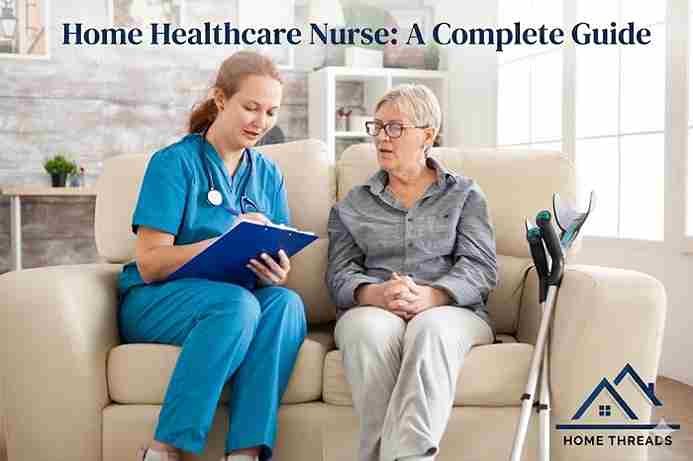
A home healthcare nurse is a licensed medical professional who provides care to patients in their homes. Their responsibilities go beyond basic medical tasks, as they often form close relationships with patients and their families. Here’s a breakdown of their core duties:
Core Responsibilities
- Administering medications and managing wound care.
- Monitoring vital signs and documenting patient progress.
- Educating patients and families about managing chronic conditions like diabetes or hypertension.
- Coordinating care with doctors, therapists, and other healthcare providers.
- Providing emotional support to patients and caregivers.
For example, a home healthcare nurse might assist a patient recovering from surgery by ensuring proper wound care, managing pain medications, and teaching the family how to prevent infections. This personalized approach often leads to better outcomes compared to hospital stays.
Comparison: Home Healthcare Nurse vs. Hospital Nurse
| Duty | Home Healthcare Nurse | Hospital Nurse |
|---|---|---|
| Primary Setting | Patient’s home | Hospital ward |
| Patient Interaction | 1:1, long-term | Shift-based |
| Flexibility | Custom schedules | Fixed shifts |
Who Needs a Home Healthcare Nurse? Common Scenarios
Home healthcare nurses serve a wide range of patients, from seniors to children with special needs. Here are some common scenarios where their services are invaluable:
Common Patient Scenarios
- Elderly Patients: Seniors with mobility issues or chronic illnesses benefit from in-home care.
- Post-Operative Recovery: Patients recovering from surgeries like hip replacements or heart procedures.
- Palliative Care: End-of-life support for patients and their families.
- Pediatric Cases: Children with special needs or chronic conditions.
One of the biggest advantages of hiring a home healthcare nurse is the cost savings. According to the Centers for Medicare & Medicaid Services (CMS), in-home care can be 30-50% cheaper than hospital stays. Additionally, the comfort of being at home often reduces stress and promotes faster recovery.
Qualifications and How to Become a Home Healthcare Nurse
Becoming a home healthcare nurse requires a combination of education, certification, and essential skills. Here’s a step-by-step guide:
Education and Certification Requirements
- Earn a high school diploma or GED.
- Complete a nursing degree (LPN or RN) through an accredited program.
- Pass the NCLEX exam to obtain licensure.
- Consider additional certifications like CHHN (Certified Home Health Nurse) for specialized training.
Here’s a quick overview of the timeline and costs:
| Certification | Duration | Cost (USD) | Focus |
|---|---|---|---|
| LPN | 1 year | $5K-10K | Basic care |
| RN | 2-4 years | $20K+ | Advanced care |
| CHHN | Exam | $300 | Home-specific |
Essential Skills and Traits
- Empathy: Building trust and providing emotional support.
- Time Management: Managing multiple patients and appointments efficiently.
- Tech-Savvy: Using telehealth tools and electronic medical records.
- Cultural Sensitivity: Respecting diverse backgrounds and traditions.
Licensing and Continuing Education
Licensing requirements vary by state but often include background checks and continuing education (12-24 hours annually). Staying updated on medical advancements is crucial for providing high-quality care.
Home Healthcare Nurse Salary and Job Outlook
The salary of a home healthcare nurse varies based on experience, location, and employment type. Here’s what you can expect:
Average Salary
- Entry-Level: $60,000/year
- Experienced (10+ years): $110,000/year
- National Average: $75,000-$95,000/year
Location also plays a significant role. For example, nurses in California can earn over $100,000 annually, while those in the Midwest may earn closer to $70,000. The job outlook is promising, with a projected 25% growth by 2032 due to the aging population.
Benefits and Challenges of Being a Home Healthcare Nurse
Top Benefits
- Flexible schedules and work-life balance.
- High job satisfaction from forming meaningful patient relationships.
- Variety in daily tasks, making the job dynamic and engaging.
Common Challenges and Solutions
- Isolation: Join virtual team check-ins to stay connected with colleagues.
- Travel Demands: Use ergonomic tools and track mileage for reimbursement.
- Burnout: Practice self-care and set boundaries to maintain mental health.
How to Hire or Work with a Home Healthcare Nurse

For Patients and Families
- Assess your needs with a doctor’s referral.
- Decide between hiring through an agency or an independent nurse.
- Interview candidates and verify their credentials.
Costs typically range from $25-$50/hour, with some expenses covered by insurance or Medicare.
For Aspiring Nurses
Job platforms like Indeed, Home Instead, and Visiting Angels are excellent resources for finding home healthcare nurse positions. Networking on LinkedIn and building a strong portfolio can also boost your chances of landing a job.
Future Trends in Home Healthcare Nursing
The future of home healthcare nursing is bright, with advancements in telehealth and AI-driven monitoring devices. Virtual reality training programs are also emerging, offering innovative ways to prepare nurses for real-world scenarios. As the industry evolves, home healthcare nurses will play an even more vital role in delivering personalized care.
Conclusion: Why Home Healthcare Nurses Are Healthcare Heroes
Home healthcare nurses are the unsung heroes of the medical field, providing compassionate, personalized care that improves patients’ quality of life. Whether you’re considering hiring one or becoming one, this rewarding profession offers countless opportunities to make a difference.
Ready to take the next step? Share your experiences or questions in the comments below, and subscribe to our newsletter for more insights into healthcare careers and trends.