

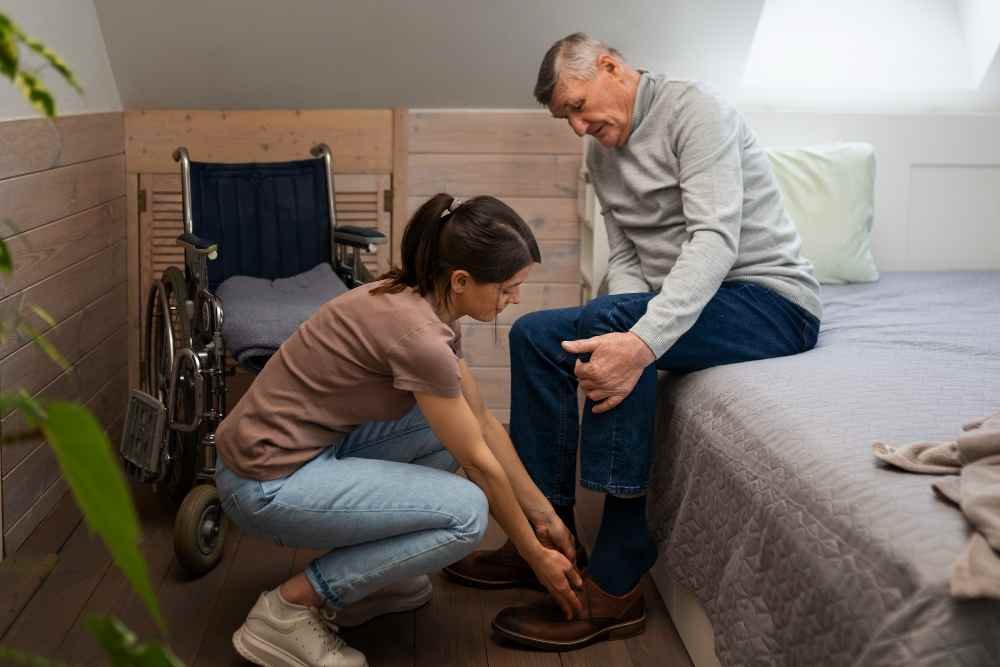
Did you know that in 2024, over 10,000 complaints were filed against nursing homes for violating resident rights? (Source: CMS) Choosing a nursing home for a loved one is a significant decision, and understanding the things nursing homes are not allowed to do is essential to protecting their well-being. Nursing homes operate under strict federal and state regulations to ensure that residents receive safe, respectful, and high-quality care. However, violations still occur, and being informed can empower families to spot red flags early.
This comprehensive guide covers 15+ prohibited practices in nursing homes, including medical neglect, financial exploitation, and personal rights violations. Learn how to identify and report these issues to safeguard your loved ones. Let’s dive into the key rules and how they protect nursing home residents.
Understanding Nursing Home Regulations
Why Knowing What Nursing Homes Can’t Do Matters
Nursing homes in the United States must follow strict regulations to ensure the safety, dignity, and well-being of their residents. At the federal level, the Nursing Home Reform Act of 1987 (under the Omnibus Budget Reconciliation Act or OBRA) establishes a Resident Bill of Rights. This includes access to proper medical care, privacy, and protection from abuse. Individual states also enforce additional guidelines, often monitored by agencies like the Centers for Medicare & Medicaid Services (CMS).
Key Resident Rights
Here are five major rights nursing homes must uphold:
- The right to be free from abuse, neglect, and exploitation.
- The right to participate in care decisions.
- The right to privacy and confidentiality.
- The right to have visitors and communicate freely.
- The right to retain personal property.
Debunking a Myth: Some believe nursing homes can override resident rights for “safety reasons.” In truth, safety protocols must still respect legal protections, such as avoiding unnecessary restraints.
Prohibited Medical and Care Practices
1. Ignore Medical Needs or Delay Treatment
Nursing homes are required to provide 24/7 skilled nursing care and ensure timely access to doctors. Failing to address urgent medical needs, such as ignoring pain or delaying treatment, constitutes neglect. For example, if a resident reports chest pain and no action is taken, it could lead to life-threatening consequences.
Legal Basis: Under OBRA, facilities must meet each resident’s comprehensive care plan, which includes medical, physical, and emotional needs.
2. Overmedicate or Use Unnecessary Restraints
It is illegal for nursing homes to use chemical or physical restraints unless absolutely necessary for medical emergencies. Overmedication, often referred to as “chemical restraint,” is a violation. According to an OIG report, nearly 20% of nursing homes have been cited for inappropriate restraint practices.
3. Perform Unconsented Procedures
Informed consent is a fundamental right. Nursing homes cannot perform medical procedures, such as surgeries or experimental treatments, without a resident’s or their legal representative’s permission.
4. Neglect Hygiene or Prevent Infections
Nursing homes must maintain strict hygiene and infection control standards. Failing to provide clean bedding, assist with bathing, or prevent bedsores can lead to severe health complications, violating CMS regulations.
Rights Violations and Dignity Issues
1. Deny Privacy or Dignity
Residents are entitled to privacy during personal activities, such as bathing or dressing. Unauthorized room searches or public exposure during care are clear violations.
2. Restrict Visitors, Phones, or Mail
Nursing homes cannot prevent residents from seeing visitors, making phone calls, or receiving mail unless there is a documented legal or medical reason. Even during the COVID-19 pandemic, CMS ensured residents retained visitation rights under specific guidelines.
3. Force Religious or Political Views
Residents have the freedom to practice their religion or abstain from religious and political activities. Forcing beliefs onto residents is prohibited under U.S. law.
4. Discriminate Based on Race, Gender, or Disability
Nursing homes must comply with anti-discrimination laws like the Americans with Disabilities Act (ADA) and Title VI. Discrimination in care, room assignments, or activities is illegal.
5. Confiscate Personal Belongings
Residents have the right to keep personal items, such as clothing, photos, or jewelry. Nursing homes cannot confiscate these belongings without consent.
Financial and Admission Prohibitions
1. Discriminate in Admissions
Nursing homes cannot refuse admission to Medicaid-eligible residents after their private funds are depleted. This practice, known as “Medicaid dumping,” is illegal.
2. Charge Illegal Fees or Evict Without Cause
Federal law requires nursing homes to give a 30-day written notice before evicting a resident. Charging undisclosed fees or evicting residents without valid reasons violates OBRA.
3. Manage Finances Without Oversight
Nursing homes must respect the financial independence of residents unless a legal power of attorney agreement exists. Mismanagement of resident funds can lead to severe penalties.
| Action | Legal Requirement | Illegal Practice |
|---|---|---|
| Admission Policy | Accept Medicaid after private pay. | Reject Medicaid patients. |
| Eviction Notice | Provide 30-day notice. | Evict without cause. |
| Financial Management | Obtain power of attorney. | Mismanage funds. |
Reporting Violations and Protections
What to Do If a Nursing Home Breaks the Rules
If you suspect a nursing home is violating resident rights, take these steps:
- Document the Issue: Record dates, times, and details of the incident.
- Contact the State Ombudsman: Each state has an ombudsman program to address complaints.
- Report to CMS: File a complaint through their hotline or website.
- Consult a Lawyer: For severe cases, seek legal assistance to protect your loved one’s rights.
Penalties for Violations
Nursing homes that break the rules may face fines of up to $10,000 per day, license revocation, or removal from Medicare/Medicaid programs.
Prevention Tips
- Join family councils to stay informed about facility policies.
- Visit regularly to ensure care standards are maintained.
- Encourage open communication with staff and management.
Conclusion
Understanding the things nursing homes are not allowed to do is crucial for protecting your loved ones and ensuring their well-being. From medical neglect to personal rights violations, these prohibited practices highlight the importance of vigilance and advocacy. Armed with this knowledge, families can confidently hold nursing homes accountable and ensure residents receive the care and respect they deserve.
If you suspect a violation, don’t hesitate to act. Document your concerns, reach out to your local ombudsman, and consult professionals for guidance. Together, we can create safer and more compassionate environments for our loved ones.