
Introduction: Why Shipping Container Homes Plans Are Gaining Popularity
Have you ever considered building a home that is both affordable and eco-friendly? With rising housing costs and increasing environmental awareness, shipping container homes plans have become a popular choice for modern living. These homes, made from repurposed steel containers, offer durability, cost savings, and design flexibility that traditional construction often cannot match. Builders can save 20-40% compared to conventional homes, thanks to the container’s pre-existing structure, which also shortens construction time significantly. Whether you’re a beginner or an experienced builder, exploring top shipping container homes plans can help you create a unique, sustainable residence tailored to your needs. This guide will cover the benefits, container types, popular plans, design tips, and practical considerations to help you get started on your container home journey.
Benefits of Shipping Container Homes
Cost-Effectiveness and Speed
Shipping container homes are highly cost-effective. Used 40-foot high-cube containers typically range from $2,500 to $5,000, providing a sturdy shell at a fraction of traditional building costs. The pre-fabricated nature of containers reduces construction time by months, allowing homeowners to move in faster .
Sustainability and Durability
Repurposing shipping containers reduces waste and supports green building initiatives. Many container homes incorporate solar panels and rainwater collection systems, enhancing their eco-friendliness. The steel structure is weather-resistant and built to withstand harsh conditions, including hurricanes and earthquakes, making it a durable choice for various climates .
Customizability and Modularity
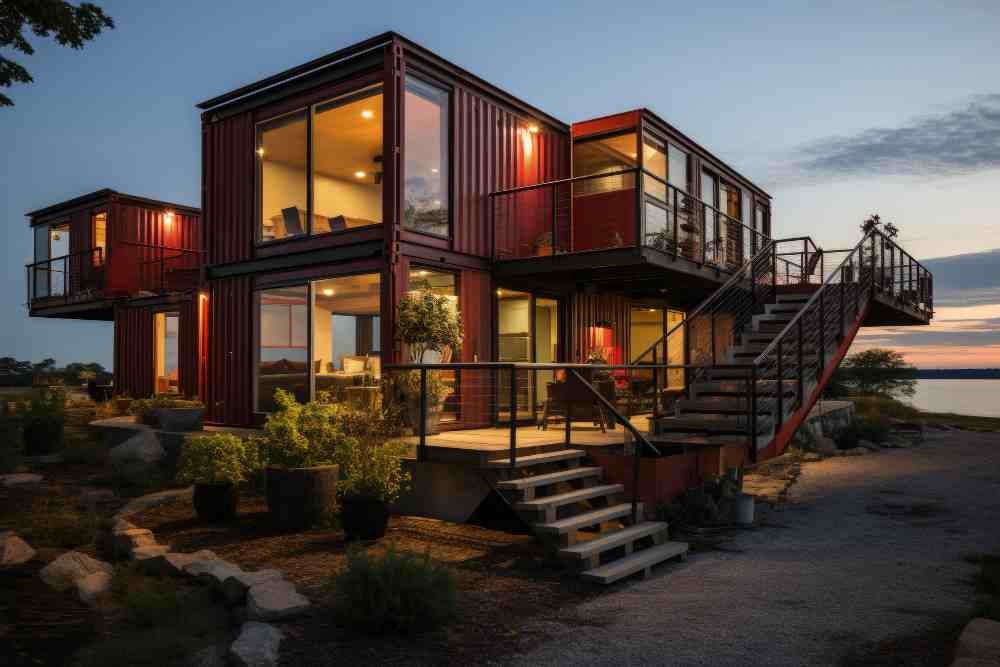
Containers are modular and stackable, allowing for creative designs that fit any lot size or lifestyle. From single-container tiny homes to multi-container luxury estates, the possibilities are vast. However, challenges such as insulation and compliance with local building codes require careful planning .
Types of Shipping Containers for Homes
Standard Sizes and Uses
| Container Type | Dimensions (LxWxH) | Square Footage | Best For |
|---|---|---|---|
| 20ft Standard | 20x8x8.5 ft | 160 sq ft | Tiny homes, accessory units |
| 40ft High-Cube | 40x8x9.5 ft | 320 sq ft | 1-2 bedroom homes |
| 40ft Standard | 40x8x8.5 ft | 320 sq ft | Budget-friendly single-level |
The 40ft high-cube container is often preferred for homes due to its taller ceilings, which allow for better insulation and a more spacious feel .
Popular Shipping Container Homes Plans
Single Container Plans
Single-container homes are perfect for tiny homes, rentals, or minimalist living:
- 40ft Tiny Rental: Includes a kitchenette, bathroom, and living area, perfect for Airbnb or guest housing .
- 20ft Studio: A compact design with a bedroom and loft, offering under 200 sq ft of space .
Two-Container Plans
Two-container homes provide more space while remaining affordable. Popular layouts include:
- Side-by-Side: Two containers placed parallel, creating an open living area with bedrooms at each end .
- L-Shaped: Offers a courtyard patio for natural airflow and outdoor living .
- Stacked 2-Story: Bedrooms on the upper level and living spaces below, ideal for urban lots .
| Layout | Containers | Bedrooms | Key Feature |
|---|---|---|---|
| Side-by-Side | 2x40ft | 2 | Open flow design |
| Stacked | 2x40ft | 2 | Maximizes vertical space |
Multi-Container Plans
For families or luxury living, multi-container homes offer spacious and elegant designs:
- 3x20ft Family Home: Cozy 2-bedroom layout .
- U-Shaped 4-Container Home: Features a central courtyard for outdoor living.
- 6-Container Luxury Home: Includes pool and garden surrounds for high-end living .
Visualize a U-shaped 6-container home with a garden courtyard, blending indoor and outdoor spaces seamlessly .
Designing Your Shipping Container Home Plan
Step-by-Step Customization
- Assess Your Needs: Consider family size, lot dimensions, and budget .
- Sketch Zones: Define living, sleeping, and utility areas.
- Optimize Flow: Use open concepts and maximize natural light .
- Use Design Software: Tools like RoomSketcher help create 3D floor plans .
Incorporate keywords like “free shipping container homes plans downloads” when searching for templates or inspiration.
Key Considerations Before Building
Practical Tips
- Site Preparation: Conduct soil tests and ensure utility access .
- Insulation and Ventilation: Spray foam insulation is essential for comfort.
- Building Codes: Verify local regulations and obtain necessary permits.
- Costs: Expect $50,000 to $200,000 total, depending on size and finishes .
- Financing and Insurance: Specialized policies may be required .
Construction Steps for Container Homes
Building Process Overview
- Foundation: Concrete piers or slab foundations provide stability .
- Modifications: Cut openings for windows and doors.
- Systems Installation: Plumbing, electrical, and HVAC are integrated .
- Finishes: Sustainable materials like bamboo flooring and recycled countertops complete the home .
Cost Breakdown and Savings Tips
| Component | Cost Range |
|---|---|
| Containers | $2,500-$5,000 each |
| Foundation | $5,000-$15,000 |
| Total Build | $100-$200 per sq ft |
Save money by buying used containers, doing DIY modifications, or choosing prefab options .
Real-World Examples and Inspiration
Case studies include Life Uncontained’s 2-container off-grid home and 5-container luxury rentals, showcasing the versatility of container living .
Conclusion and Next Steps
Shipping container homes plans offer an affordable, sustainable, and customizable path to your dream home. Whether you want a tiny studio or a multi-container estate, the possibilities are endless. Download free plans or contact a professional to start designing today.