
Crime occurs irrespective of whether you’re having a good week or a bad one. It happens sporadically and at the least opportune of times. Or does it? It seems to always happen when someone least expects it. And it is exactly how property owners learn their lesson—after the fact. After the burglary, after the vandalism or theft—and after a deductible is paid, police reports completed, and learning the ins and outs of commercial insurance.
It’s disturbing to think how many of these acts are preventable, simply by bettering perimeter security. But for many, this isn’t a thought until after the fact. They never consider what hasn’t occurred if preventative measures had been taken in the first place, prior to spending money to better security and making a more financially sound decision for a property.
What’s even more disturbing is that security measures can essentially pay for themselves. Not in the immediate, but down the line. Over time, with careful budgeting and investment considerations, opportunities present themselves to avoid losses eclipsing the cost of preventative measures (implementing security measures). Insurance providers even give clients breaks for appropriate security measures in place. Property values appreciate, along with losses that would have far eclipsed improvements are now avoided. But it’s all about knowing what to do to get there.
Why Perimeter Security Works
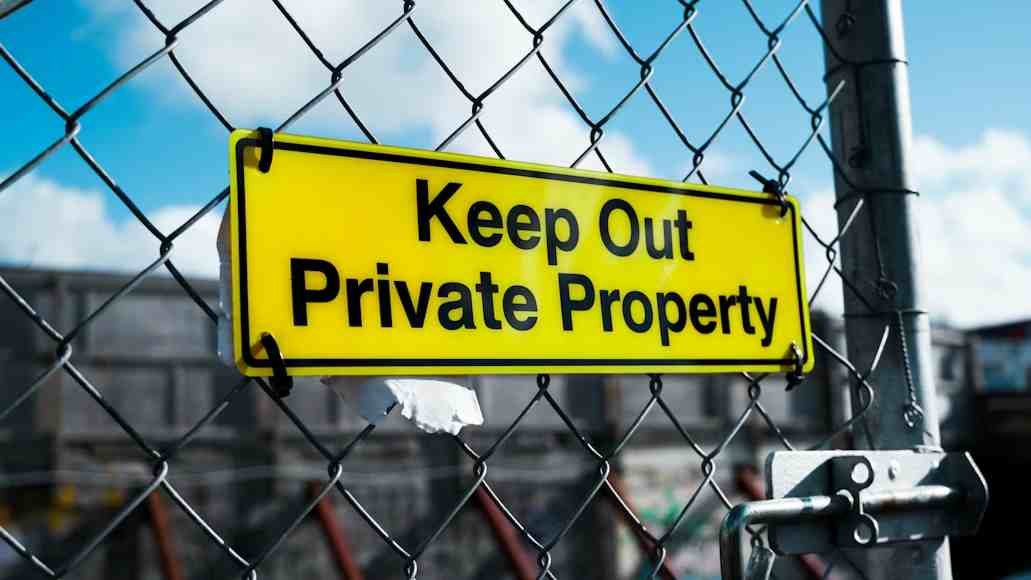
A decent fence isn’t just the line drawn between your property and your neighbor’s. It’s a physical deterrent to keep someone from stepping foot on your property. Most burglaries are crimes of opportunity—someone sees something they can easily access and they take it. But when it appears as if trespassing takes too much effort, more often than not, many threats will walk away searching for an easier target.
This is all based on the type of property in question. If you’re securing a suburban home, you want something that blends in but provides adequate security. No one wants to live next door to a compound; however, no one wants to have their possessions stolen either. Commercial properties have a different aesthetic with functional requirements that surpass aesthetic appeal. Industrial properties may find it easy to add serious barriers as more connected to teenage diversionary efforts to more organized crime ring involvement.
But if you’re investing in security measures, what materials essentially make or break your investment. Cheap fencing material will save you money now, but down the line, after five years of existing with developed weaknesses, parts will no longer be effective and extra financing will be needed for repairs. Eventually, you’ll find yourself putting up fencing sooner than you’d ever like to—for something you hoped would last twelve years but only ended working five.
When acquiring plans—especially large developments—professional supply companies can help connect the dots as to materials for climatic conditions that would work best for you. Trusted fencing supplies brisbane will know what’s best for weather-related situations, and what’s worth waiting for with council specifications typically left unknown.
When height becomes an issue regarding residential fencing with councils who dictate how high fencing may go, this is a problem. With commercial fencing there’s more leeway with restricted-height fencing equipped with anti-climb features; however, when height becomes an issue, proper design can play an effective deterrent as well.
Ultimately, it’s not about preventing every possible intrusion—it’s about making your property too much of a hassle that criminals will search for an easier opportunity instead.
Insurance Companies Take Note
Believe it or not, insurance companies are starting to provide real savings on comprehensive security measures. Savings aren’t substantial when gathered per policy but accumulated over time (on commercial properties) they add up quickly. For example, commercial properties with comprehensive perimeter protection can save thousands over the life of their premium. A few hundred per year? After ten years that’s thousands.
Not to mention liability protection trumps theft prevention any day of the week. As a property owner, you can be sued if anyone gets injured on your property—even trespassers in certain cases! Therefore high quality barriers help prevent injuries from even being an option (and thus litigation potential for making sure minors get proper repairs) due to general good practice.
For commercial properties—with equipment or processes that are hazardous—making appropriate precautions goes a long way toward preventing unnecessary exposure.
In addition, if claims must be made with insurance companies, documentation provided through appropriate security measures helps facilitate settlements. Adjusters appreciate claims where reasonable precautions were taken preventing additional damage—thus leaning away from negligence.
Property Values Appreciate
Properly implemented security upgrades increase property value; poorly implemented security improvements present properties as fortified bunkers with low resale value while attempting second chance simplistic appeal for newer buyers down the road—all efforts that could have been avoided by finding a balance between appropriate security measures and aesthetic appeal.
In addition, where your property is located adds less or more value with upgraded aspects compared to others—proactive endeavors taken in high-crime areas boast higher elevation appeals that help justify financing; yet proactive endeavors located in residential locales boasting no crime but passive admiration yield better privacy upgrades to avoid fortress-like towns.
Commercial efforts can utilize functional aesthetics more than residential properties; however, industrial facilities benefit when professional propriety meshes with comprehensive perimeter protection.
Residential homes require more nuanced mediation where comprehensive efforts provide better value for practicality without making homes look like they’re begging trouble to show up at their front door—even if sadly that’s the world we live in today.
Because effective planning translates into effective prevention at construction aesthetics matter—not only from a theft deterrent stand point—but favorable new buyer appeal as well.
Real Costs Accumulate Over Time
The true value of implementing proper solutions comes down to costs associated beyond simple price per acquisition—real costs accumulate over time beyond expected acquisition price. It’s not worth the value of acquisition where its price accumulated per value over time. Maintenance costs quarterly add up; additional monitoring needs down the line create more expenses; potential replacement requests factor into long-term consideration of cost justify financing endeavors.
This is where material quality matters—as quality materials may pay dividends upfront but over time they outperform the best of cheap alternatives as quality options require little maintenance and last infinitely longer than mediocre options.
Certain options have less associated costs as they are self-sustaining or require little adjustment once achieved—basic chain link requires little maintenance once successfully implemented; valuable deterrents may require constant attention/maintenance throughout significant lengths to keep their secured features operational.
Therein lies ongoing costs people fail to budget appropriately due to failure to adequately account or failure to consider prospective deterrents (fencing) down the line—so get used to unwelcome surprises down the road.
Technological options factor complicated expenses—the integration potential facilitates situational helpfulness—but no one wants systems that may require replacement entirely when alterations could easily be made instead.
Plan for Realistic Security
Planning for your reality makes it worthwhile when realistic analysis of planned threats aligns appropriately with vulnerabilities that occur on their own premises versus those generically reported throughout every area—even what’s reported as happening on your own street consistently? What’s avoided/shut down? It’s not generic efforts/resources that provide valuable protection—they’re only generic.
Consult professionals for extensive developments as unique vulnerabilities may be noted from an outsider’s perspective versus an insider without batting an eyelash toward what’s seemingly obvious but right in front of someone else’s face—but never assessed without thinking twice.
Seek assistance from reliable developments relative acquisition needs—regulatory requirements limit materials that are usually specific components unknown by other methods lacking personal experience—and it’s important to secure solutions that come with alternatives (not needing remediation).
Timing is critical—it’s great when reliable resources come through immediately; it’s not so great when permits need to be gotten on board or utilities need to be arranged along fencing lines that need to align perfectly evenly spaced apart.
There’s rarely a need for 100% ideal quality at all times upfront; taking appropriate progressive steps toward comprehensively improved feasible needs is sustainable over time than taking appropriate actions day one that only frustrate everyone involved down the line.
Security isn’t just about preventing crime – it’s about protecting your investment and reducing ongoing risks that could cost far more than prevention measures. Property owners who understand this connection make better decisions about where to invest their security dollars.