
What does it really cost to build the perfect home gym? As more people prioritize convenience and health, home gyms have become increasingly popular. With the rise of fitness trends and busy schedules, having a workout space at home eliminates the need for costly memberships and time-consuming commutes. But how much does a home gym cost, and what factors influence the price?
In this guide, we’ll break down home gym cost by exploring budget-friendly setups, premium options, and everything in between. Whether you’re a fitness enthusiast or someone just starting out, this comprehensive article will help you design the perfect home gym to match your goals and budget.
Why Build a Home Gym?
Convenience and Time-Saving Benefits
For many, the biggest appeal of a home gym is convenience. No driving to a crowded gym, no waiting for equipment, and no fixed schedules. A home gym allows you to work out anytime, saving hours every week.
Long-Term Cost Savings
While the upfront cost of a home gym may seem high, it’s often cheaper in the long run. The average gym membership in the U.S. costs $50 per month, which amounts to $600 per year. Over five years, you could spend $3,000 or more on memberships, whereas a one-time investment in a home gym can pay for itself.
Customization and Privacy
Unlike commercial gyms, your home gym is tailored to your preferences. Whether you prefer a minimalist setup or high-tech equipment, you can create a space that fits your style. Plus, it offers complete privacy, perfect for those who feel self-conscious in public gyms.
Average Home Gym Cost in 2026
Budget Home Gym Setup ($300-$1,000)
A budget-friendly home gym includes essential equipment for a variety of workouts. Here’s what you can expect:
- Dumbbells or adjustable weights: $50-$200
- Resistance bands: $20-$50
- Yoga mat: $20-$40
- Pull-up bar: $30-$50
- Basic bench: $100-$200
This setup is ideal for beginners or those with limited space. It covers strength training, cardio, and flexibility exercises without breaking the bank.
Mid-Range Home Gym Setup ($1,000-$5,000)
For those who want more variety and functionality, a mid-range setup includes upgraded equipment:
- Power rack or squat rack: $300-$600
- Barbell and weight plates: $200-$500
- Rowing machine or treadmill: $500-$1,500
- Adjustable bench: $200-$400
- Storage solutions: $100-$300
This range is perfect for fitness enthusiasts who want to replicate the gym experience at home.
High-End Home Gym Setup ($5,000+)
A luxury home gym includes top-tier equipment and advanced technology:
- Commercial-grade treadmill or elliptical: $2,000-$5,000
- Smart fitness mirror: $1,500-$3,000
- Cable crossover machine: $2,000-$4,000
- High-tech stationary bike (e.g., Peloton): $1,500-$3,000
- Flooring and decor: $500-$1,500
This setup caters to serious athletes or those with a higher budget looking for a premium fitness experience.
Factors That Influence Home Gym Cost
1. Space and Layout
The size of your gym impacts the cost. A small corner in your living room requires less equipment than a dedicated room in your home. Consider the dimensions of your space before purchasing equipment.
2. Equipment Quality
High-quality, durable equipment may cost more upfront but saves money in the long run by lasting longer. Look for trusted brands like Rogue Fitness or Bowflex for reliability.
3. Technology and Features
Smart workout mirrors, apps, and connected devices add convenience but come at a higher price. Decide whether these features are essential for your fitness goals.
4. Installation and Delivery
Some equipment, like power racks or treadmills, requires professional installation. Delivery fees can also add to the overall cost, especially for larger items.
5. Personalization
Customizing your gym with decor, mirrors, or flooring adds to the cost. However, these elements can make the space more enjoyable and motivating.
Budget-Friendly Tips to Reduce Home Gym Cost
1. Buy Used Equipment
Websites like Facebook Marketplace, Craigslist, and Play It Again Sports offer gently used gym equipment at a fraction of the cost.
2. Start Small
Focus on versatile, multi-use items like resistance bands, dumbbells, and kettlebells. Build your gym gradually as your budget allows.
3. DIY Options
Consider creating DIY solutions, such as building your own squat rack or using household items like chairs for certain exercises.
4. Wait for Sales
Black Friday, New Year’s, and fitness-specific sales are great times to buy gym equipment at discounted prices.
5. Opt for Minimalist Decor
Skip expensive flooring and mirrors if your budget is tight. A simple, clean space can still be functional and effective.
Pros and Cons of Building a Home Gym
Pros
- Saves time and money in the long term.
- Flexible and available 24/7.
- Customizable to personal preferences.
- No waiting for equipment or dealing with crowds.
Cons
- High upfront cost.
- Limited space for larger equipment in some homes.
- Requires self-motivation to stay consistent.
How to Plan Your Home Gym Setup
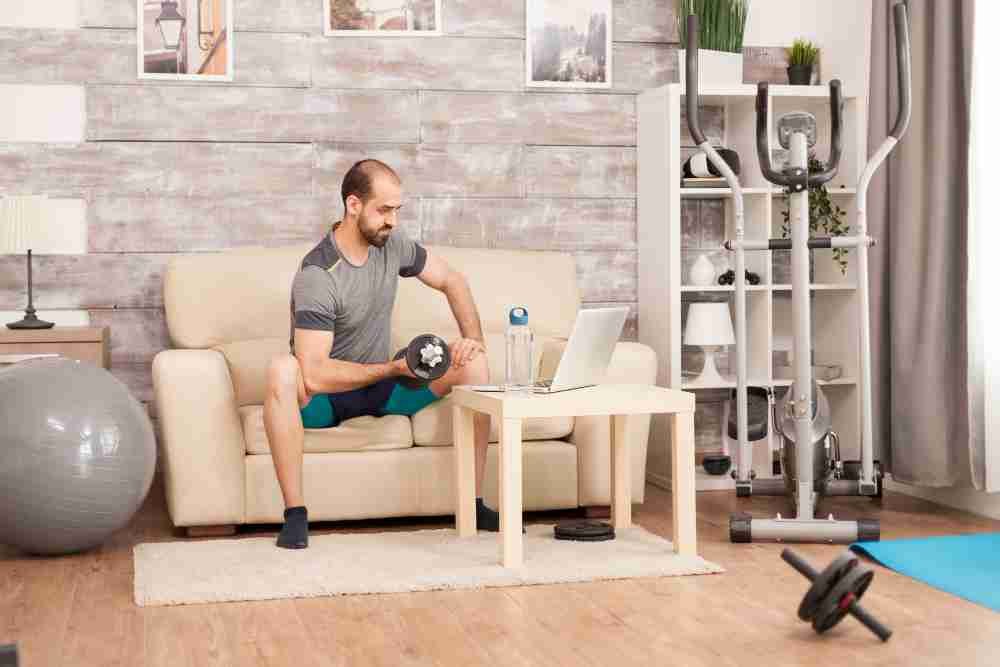
Step 1: Assess Your Fitness Goals
Are you focused on weightlifting, cardio, or yoga? Identify your primary goals to determine the type of equipment you need.
Step 2: Measure Your Space
Use a measuring tape to ensure your equipment fits comfortably within your designated space.
Step 3: Prioritize Essential Equipment
Start with versatile items that offer the most value, such as adjustable dumbbells or a power rack.
Step 4: Set a Budget
Decide how much you’re willing to spend and stick to it. Allocate funds for both equipment and any additional costs like flooring or mirrors.
Step 5: Research and Compare
Read reviews, watch videos, and compare prices before purchasing. Look for warranties and return policies for peace of mind.
Frequently Asked Questions About Home Gym Cost
How much does it cost to build a home gym?
Costs range from $300 for a basic setup to $5,000+ for a luxury gym.
Is a home gym worth it?
Yes, especially if you use it consistently. It offers long-term savings and convenience.
What’s the cheapest way to build a home gym?
Start small with used equipment and multi-functional items like resistance bands and dumbbells.
How much space do I need for a home gym?
A small corner can suffice for basic setups, but a dedicated room is ideal for larger equipment.
Conclusion: Invest in Your Health with a Home Gym
Building a home gym is an investment in both your physical and mental well-being. Whether you’re creating a budget-friendly workout corner or a high-end fitness retreat, the key is to design a space that works for you. With proper planning and smart purchases, you can achieve your fitness goals without leaving the comfort of your home.