
Imagine a heavy rainstorm battering your home. Water pours off the roof, overwhelming the gutters, and you notice leaks forming along the edges of your house. What’s the culprit? Often, it’s the home fascia, a critical yet often overlooked component of your roofline. This protective board runs along the edge of your roof, supporting gutters and shielding your home from weather damage.
In this comprehensive guide, we’ll explore everything you need to know about home fascia—its purpose, types, common problems, maintenance tips, and replacement costs. Whether you’re a homeowner looking to protect your investment or a contractor seeking insights, this article will provide valuable information to help you make informed decisions.
What Is Home Fascia?
Definition and Anatomy
Home fascia refers to the vertical board that caps the ends of roof rafters, typically located behind the gutters. It serves as a barrier between the roof edge and the elements, protecting the structure from water, wind, and pests. Fascia boards are often paired with soffits, which are the horizontal panels beneath the roof overhang, to create a complete roofline system.
The fascia board is essential for maintaining the structural integrity of your roof. It not only supports the weight of the gutters but also provides a clean, finished look to the roofline. Without fascia, your roof’s edges would be exposed to moisture and debris, leading to potential damage over time.
Role in Home Structure
Fascia plays a vital role in protecting your home. It prevents water from seeping into the roof and walls, blocks pests from entering the attic, and helps maintain proper ventilation when paired with soffits. Additionally, fascia boards contribute to the overall aesthetic of your home, giving the roofline a polished appearance.
Types of Home Fascia Materials
Choosing the right fascia material is crucial for durability and performance. Here’s a comparison of common fascia materials:
| Material | Pros | Cons | Cost Estimate (per linear ft) | Best For |
|---|---|---|---|---|
| Wood | Affordable, paintable | Prone to rot and warping | $5–$10 | Budget homes |
| Vinyl/PVC | Low-maintenance, weatherproof | Less durable in extreme heat | $8–$15 | Humid climates |
| Aluminum | Durable, rust-resistant | Higher upfront cost | $10–$20 | Coastal areas |
| Fiber Cement | Fire-resistant, long-lasting | Heavy, harder to install | $12–$25 | Modern builds |
Trends in Fascia Materials
In 2026, vinyl fascia is gaining popularity due to its sustainability and low maintenance. Aluminum remains a top choice for homes in coastal areas, while fiber cement is favored for its fire resistance and durability in modern construction.
Why Home Fascia Matters for Your Roof and Home
Protection from Elements
Fascia boards act as a shield, preventing water from entering the roof and walls. Without proper fascia, moisture can seep into the structure, leading to rot, mold, and costly repairs.
Gutter Support and Drainage
Fascia provides the necessary support for gutters, ensuring they can handle the weight of water during heavy rains. A damaged fascia board can cause gutters to sag or detach, compromising your home’s drainage system.
Energy Efficiency Boost
By sealing gaps along the roofline, fascia boards help improve insulation and energy efficiency. This reduces heat loss in the winter and keeps your home cooler in the summer.
Common Home Fascia Problems and Signs of Damage
Over time, fascia boards can develop issues that compromise their effectiveness. Here are some common problems to watch for:
- Wood Rot or Peeling Paint: Moisture exposure can cause wooden fascia boards to rot or paint to peel, leaving the structure vulnerable to further damage.
- Cracks or Sagging: Vinyl and aluminum fascia can crack or sag due to age or extreme weather conditions.
- Pest Entry Points: Gaps in the fascia can allow pests like birds, squirrels, and insects to enter your attic.
- Gutter Detachment: If gutters pull away from the fascia, it’s often a sign of underlying damage.
Did You Know?
Approximately 30% of roof leaks can be traced back to fascia issues. Regular inspections can help identify and address problems before they escalate.
Home Fascia Maintenance Tips
Proper maintenance can extend the lifespan of your fascia boards and prevent costly repairs. Here are some tips:
- Inspect Annually: Check for soft spots, cracks, or peeling paint. Pay special attention to areas near gutters.
- Clean Gutters Regularly: Clogged gutters can cause water to overflow and damage the fascia.
- Paint and Seal Wood Fascia: Repaint or reseal wooden fascia boards every 3–5 years to protect them from moisture.
- DIY vs. Professional Help: While minor repairs can be done yourself, extensive damage may require professional services.
Step-by-Step Cleaning Guide
- Use a ladder to access the fascia boards safely.
- Remove debris and dirt with a soft brush or cloth.
- Wash the boards with a mild detergent and water.
- Rinse thoroughly and allow to dry.
When to Replace Home Fascia
Knowing when to replace your fascia boards is essential for maintaining your home’s structural integrity. Signs that replacement is needed include:
- Extensive rot or decay.
- Structural weakness or sagging.
- Persistent pest infestations.
Lifespan of Fascia Materials
- Wood: 10–20 years with proper maintenance.
- Aluminum: 30+ years.
- Vinyl/PVC: 20–40 years, depending on quality.
Replacing damaged fascia not only protects your home but also enhances its curb appeal and prevents water damage that could cost $5,000 or more to repair.
Home Fascia Replacement Cost Guide (2026)
Here’s a breakdown of fascia replacement costs:
| Project Scope | Avg. Cost (Home Size 2000 sq ft) | Factors Affecting Price |
|---|---|---|
| Partial Repair | $500–$2,000 | Material, labor |
| Full Replacement | $2,500–$7,000 | Roof pitch, location |
| Premium Materials | +20–50% | Aluminum or fiber cement |
Pro Tip
Get multiple quotes from contractors to ensure you’re getting the best value for your fascia replacement project.
How to Choose the Right Home Fascia for Your House
Selecting the right fascia material depends on your home’s location, climate, and budget. For example:
- Coastal Areas: Choose aluminum for its rust resistance.
- Humid Climates: Opt for vinyl to prevent moisture damage.
- Modern Homes: Consider fiber cement for its durability and sleek appearance.
Eco-friendly options are also becoming more popular, with many homeowners choosing sustainable materials to reduce their environmental impact.
FAQs
What is home fascia made of?
Home fascia is typically made of wood, vinyl, aluminum, or fiber cement, each offering unique benefits and drawbacks.
How long does home fascia last?
The lifespan varies by material: wood (10–20 years), vinyl (20–40 years), aluminum (30+ years), and fiber cement (50+ years).
Can I replace fascia boards myself?
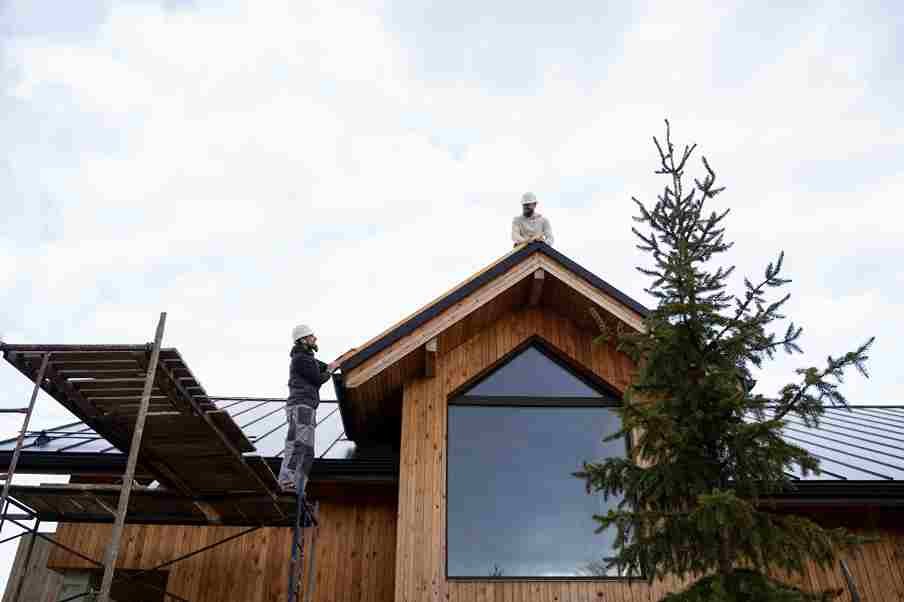
While minor repairs can be DIY, full replacement often requires professional expertise to ensure proper installation.
How much does fascia replacement cost?
Costs range from $500 for partial repairs to $7,000 for full replacement, depending on material and labor.
Why is fascia important for gutters?
Fascia provides the structural support needed to hold gutters in place and ensure proper drainage.
Conclusion
Home fascia is a critical component of your roofline, protecting your home from the elements, supporting gutters, and enhancing energy efficiency. Regular maintenance and timely replacement can prevent costly damage and keep your home looking its best.
If you’re concerned about your fascia boards or need professional assistance, contact our team for a free inspection and quote. Protect your home today—schedule an appointment now!