

Introduction to Home DC Fast Charger
As electric vehicles (EVs) become more popular, the demand for faster and more convenient charging solutions is growing. A home DC fast charger offers the ability to charge your EV at lightning speed compared to standard home chargers. But is it practical, affordable, and worth the investment? In this guide, we’ll explore everything you need to know about home DC fast chargers, including how they work, their costs, and whether they’re the right choice for your home. By the end, you’ll have a clear understanding of whether this advanced charging solution fits your needs.
What Is a Home DC Fast Charger?
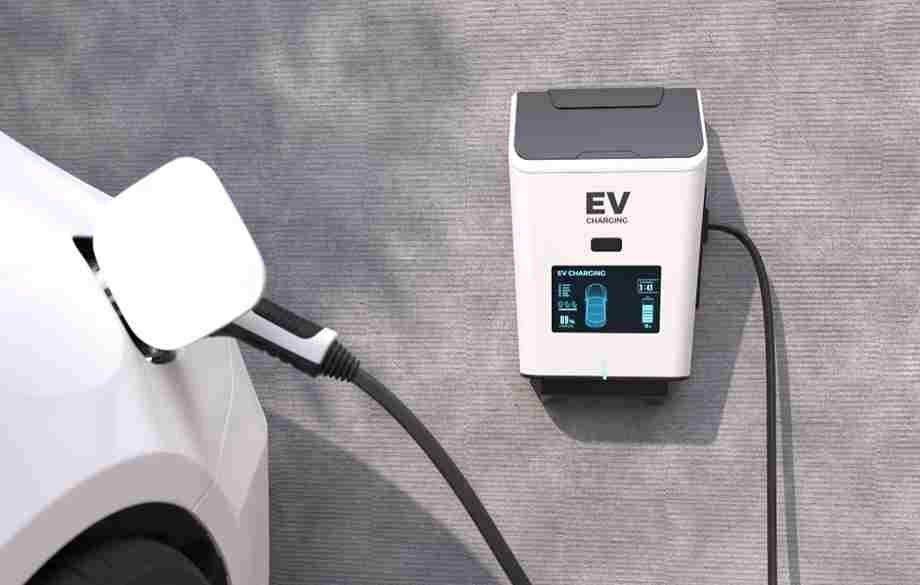
A home DC fast charger is a high-powered charging station designed to deliver direct current (DC) electricity directly to your EV’s battery. Unlike standard AC chargers, which rely on the vehicle’s onboard charger to convert alternating current (AC) to DC, a DC fast charger performs this conversion externally. This allows for significantly faster charging times, making it ideal for high-mileage drivers or households with multiple EVs.
For example, while a Level 2 charger might take 6-8 hours to fully charge an EV, a home DC fast charger can accomplish the same task in under an hour, depending on the vehicle and battery size.
How Home DC Fast Charging Works
The process of DC fast charging involves several steps:
- The charger converts AC electricity from your home into DC power.
- DC power is delivered directly to the EV’s battery, bypassing the onboard charger.
- The charger communicates with the vehicle to ensure safe and efficient charging.
However, installing a home DC fast charger requires significant electrical infrastructure, including a high-capacity electrical panel and dedicated circuits. Most homes are not initially equipped to handle the power demands of a DC fast charger, making professional installation essential.
Home DC Fast Charger vs Level 2 Charger
Charging Speed
Level 2 chargers typically provide 20-30 miles of range per hour of charging, while DC fast chargers can deliver up to 100-200 miles in the same time frame.
Installation Complexity
Installing a Level 2 charger is relatively straightforward, while a DC fast charger requires significant electrical upgrades and permitting.
Cost
Level 2 chargers cost between $500-$2,000, while home DC fast chargers can range from $10,000-$50,000, including installation.
Best Use Cases
Level 2 chargers are sufficient for most daily drivers, while DC fast chargers are better suited for high-mileage users or multi-EV households.
Benefits of a Home DC Fast Charger
- Significantly faster charging times.
- Convenience for busy households or high-use vehicles.
- Reduced waiting time compared to slower chargers.
- Ideal for premium EV owners who want maximum charging speed.
Drawbacks and Limitations
- High upfront equipment and installation costs.
- Requires extensive electrical upgrades.
- May not be cost-effective for typical homeowners.
- Larger physical footprint compared to Level 2 chargers.
How Much Does a Home DC Fast Charger Cost?
The cost of a home DC fast charger includes both equipment and installation:
- Equipment: $10,000-$40,000 depending on the brand and features.
- Installation: $5,000-$10,000, including electrical panel upgrades and labor.
Factors like home wiring, distance from the electrical panel, and local labor rates can significantly impact the total cost. It’s recommended to consult a licensed electrician for a site assessment before purchasing a charger.
Is Your Home Ready for DC Fast Charging?
Before installing a home DC fast charger, consider the following:
- Does your electrical panel have sufficient capacity?
- Will you need a service upgrade to handle the additional load?
- Is there a suitable location in your garage or driveway for the charger?
A professional inspection is essential to determine whether your home is ready for DC fast charging.
Who Should Consider a Home DC Fast Charger?
- EV owners with very high daily mileage.
- Households with multiple EVs.
- Luxury EV buyers who prioritize fast charging.
- Small business owners using their residence for fleet charging.
Who Probably Does Not Need One?
- Typical commuters who charge overnight.
- Budget-conscious homeowners.
- Apartment or condo residents without dedicated power access.
- Drivers who can comfortably use Level 2 charging at home.
Installation Process and Safety
Installing a home DC fast charger involves:
- Site evaluation by a licensed electrician.
- Obtaining necessary permits and inspections.
- Upgrading the electrical panel and wiring.
- Mounting and commissioning the charger.
Safety features like surge protection and thermal controls are essential to ensure safe operation.
Best Alternatives to a Home DC Fast Charger
- Level 2 home charging for overnight use.
- Public DC fast charging stations for occasional fast charging needs.
- Workplace charging for daily convenience.
- Smart charging solutions to optimize electricity costs.
Buying Tips for a Home DC Fast Charger
- Check your EV’s compatibility with the charger.
- Confirm the electrical requirements for installation.
- Compare brands, warranties, and smart features.
- Ensure the charger is suitable for indoor or outdoor use.
FAQ Section
- Can you install a DC fast charger at home? Yes, but it requires significant electrical upgrades.
- How much power does a home DC fast charger need? Typically 400-800 volts, depending on the model.
- Is a home DC fast charger worth it? It depends on your driving habits and budget.
- What is the difference between DC and AC charging? DC charging bypasses the onboard charger for faster charging.
- Do I need a panel upgrade for a home DC fast charger? Most homes will require an upgrade to handle the power demand.
Conclusion
A home DC fast charger offers unparalleled charging speed and convenience, but it comes with high costs and installation requirements. For most homeowners, a Level 2 charger provides sufficient charging capabilities at a fraction of the cost. However, for high-mileage drivers, multi-EV households, or those seeking the fastest charging experience, a home DC fast charger may be worth the investment. Evaluate your needs, budget, and home’s electrical capacity before making a decision.