

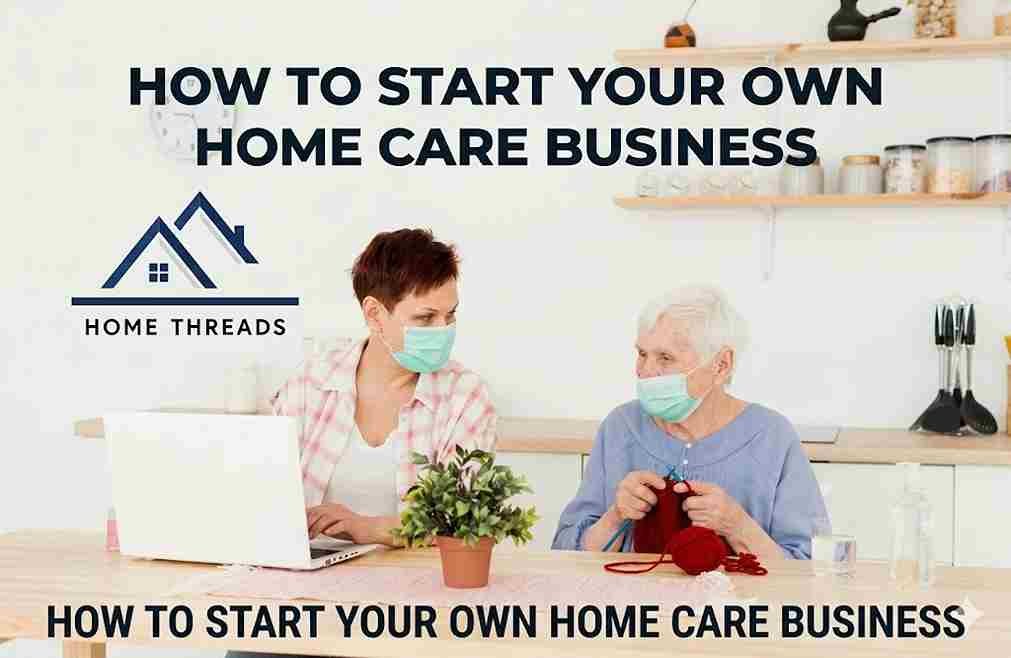
Starting a home care business is more than just a career move—it’s a chance to make a meaningful difference in people’s lives while building a rewarding and sustainable business.
The demand for home care services is growing rapidly, driven by an aging population and the increasing preference for in-home care solutions. For aspiring entrepreneurs, this represents both a fulfilling and profitable opportunity. This comprehensive guide on how to start your own home care business will walk you through the key steps, from licensing and staffing to marketing and growth strategies.
What is a Home Care Business?
Definition of a Home Care Business
A home care business provides assistance—both medical and non-medical—to individuals in their homes. Services may include personal care, meal preparation, companionship, medication reminders, and much more. These services are designed to help individuals maintain their independence and improve their quality of life.
Types of Home Care Services
- Non-Medical Home Care: Assistance with activities of daily living (ADLs) such as bathing, grooming, and light housekeeping.
- Medical Home Care: Skilled nursing, physical therapy, and other healthcare services, which require specialized licensing and trained professionals.
Why Home Care Services Are in Demand
The growing demand for home care services stems from several factors:
- The aging population and preference for aging in place.
- Cost-effectiveness compared to nursing homes or assisted living facilities.
- Increased awareness of personalized care options and their benefits.
Skills and Qualifications Needed to Start a Home Care Business
Key Skills for Success
Running a home care business requires:
- Compassion and Empathy: A genuine desire to help others and understand their needs.
- Organizational Skills: Managing caregivers, clients, and schedules efficiently.
- Marketing and Networking Abilities: Building relationships with referral sources and attracting clients.
Certifications and Training
While specific requirements vary by state, common certifications include:
- First aid and CPR certifications for caregivers.
- State-specific training for non-medical care providers.
- Specialized certifications like CNA (Certified Nursing Assistant) or RN (Registered Nurse) for medical home care services.
Do You Need Healthcare Experience?
Healthcare experience is helpful but not mandatory for non-medical home care businesses. For medical services, partnering with licensed professionals or hiring qualified staff can bridge the gap.
Step-by-Step Guide: How to Start Your Own Home Care Business
Step 1: Research and Plan Your Business
Begin by analyzing the local demand for home care services. Identify your target audience, which may include seniors, individuals with disabilities, or post-surgery patients. Research competitors and find ways to differentiate your business by offering unique services or exceptional care.
Step 2: Choose a Business Model
Decide whether to operate as an independent business or buy into a franchise. Consider whether you’ll focus on non-medical care, medical care, or both. Each option has its own licensing requirements and operational complexities.
Step 3: Create a Business Plan
A detailed business plan sets the foundation for success. Include your mission, vision, and goals, financial projections, service offerings, and marketing strategies. Don’t forget to conduct a SWOT analysis to identify your strengths, weaknesses, opportunities, and threats.
Step 4: Register and Legalize Your Business
Choose a memorable business name, register it with your state, and decide on a legal structure such as an LLC, corporation, or sole proprietorship. Obtain an Employer Identification Number (EIN) for tax purposes.
Step 5: Obtain Licenses and Permits
Research your state’s specific licensing requirements for home care businesses. If you plan to offer medical care, additional certifications may be necessary. Ensure compliance with local health and safety regulations before launching.
Step 6: Purchase Insurance
Protect your business and employees with proper insurance coverage. This includes general liability insurance, workers’ compensation, and professional liability insurance for medical services.
Step 7: Build Your Team
Hiring qualified caregivers is key to your business’s success. Conduct thorough background checks, verify certifications, and provide training to ensure high-quality care. Foster a positive workplace culture to retain top talent.
Step 8: Set Up Office and Equipment
Decide whether you’ll operate from a physical office or remotely. Invest in software for scheduling, billing, and record-keeping. Purchase essential supplies like uniforms, gloves, and cleaning materials.
Step 9: Create a Pricing Structure
Research local rates to establish competitive pricing. Decide whether to offer hourly rates, flat fees, or package deals. Transparent pricing builds trust with clients and helps attract more business.
Step 10: Market Your Home Care Business
Develop a professional website optimized for local SEO to reach potential clients. Network with hospitals, senior centers, and community organizations. Use social media and online advertising to increase your visibility.
How Much Does It Cost to Start a Home Care Business?
Initial Startup Costs
- Licensing and registration fees.
- Marketing expenses like website development and branding.
- Office setup and equipment purchases.
Ongoing Operating Costs
- Payroll for caregivers and administrative staff.
- Insurance premiums for liability and workers’ compensation.
- Software subscriptions and maintenance costs.
Revenue Potential
The revenue of a home care business depends on factors like location and services offered. On average, hourly rates for non-medical care range from $20 to $30, while medical care rates are higher.
Tools and Software for Running a Home Care Business
Scheduling and Time Tracking Software
Use caregiver scheduling apps to manage appointments and ensure timely service delivery.
Billing and Payment Tools
Invest in software for invoicing and processing payments efficiently.
Client Management Systems (CRM)
CRM tools help manage client records, improve communication, and streamline operations.
Marketing Tools
Leverage email marketing platforms and social media management tools to reach potential clients and build your brand.
Tips for Growing Your Home Care Business
Build Strong Relationships with Referral Sources
Partner with doctors, hospitals, and rehabilitation centers to gain referrals. Attend networking events and join industry associations to build your reputation.
Expand Your Services
Consider offering specialized care like dementia support or post-surgical assistance. Additional services such as transportation or companion care can also help grow your client base.
Focus on Customer Satisfaction
Collect feedback from clients to identify areas for improvement. Encourage satisfied customers to leave positive reviews online to attract more business.
Invest in Marketing
Run targeted Google Ads and utilize social media advertising to increase visibility. Optimize your website for local SEO with keywords like “home care services near me.”
Hire and Retain Top Talent
Offer competitive wages and benefits to attract skilled caregivers. Foster a supportive workplace culture to reduce staff turnover and maintain high-quality services.
Common Challenges and How to Overcome Them

Navigating Licensing and Compliance
Stay updated on state and federal regulations to ensure your business remains compliant.
Finding and Retaining Reliable Staff
Conduct thorough hiring processes and provide ongoing training to maintain a skilled and satisfied workforce.
Managing Competition
Differentiating your business with unique services or superior care can help you stand out in a competitive market.
Handling Client Expectations
Set clear expectations during consultations and maintain open communication to build trust with clients.
Frequently Asked Questions (FAQ)
Do I need a license to start a home care business?
Yes, most states require licensing. Check your local regulations to ensure compliance.
How much does it cost to start a home care business?
Startup costs vary but typically range between $10,000 and $50,000, depending on your location and services.
Can I start a home care business without healthcare experience?
Yes, healthcare experience is not mandatory for non-medical care. You can hire qualified professionals for medical services.
How do I find clients for my home care business?
Build relationships with referral sources, optimize your online presence, and use targeted advertising to attract clients.
What is the difference between medical and non-medical home care?
Medical care involves skilled services like nursing, while non-medical care focuses on daily living assistance.
How long does it take to start a home care business?
It typically takes a few months to complete licensing, hire staff, and set up operations.
Conclusion
Starting your own home care business is both a rewarding and profitable venture. By following this step-by-step guide, you can navigate licensing, hire skilled caregivers, and establish a strong presence in the market. Whether you’re driven by the desire to help others or the potential for financial growth, this industry offers a fulfilling career path.
Take the first step today by researching your state’s licensing requirements or drafting a business plan. Your journey to building a successful home care business begins now.