
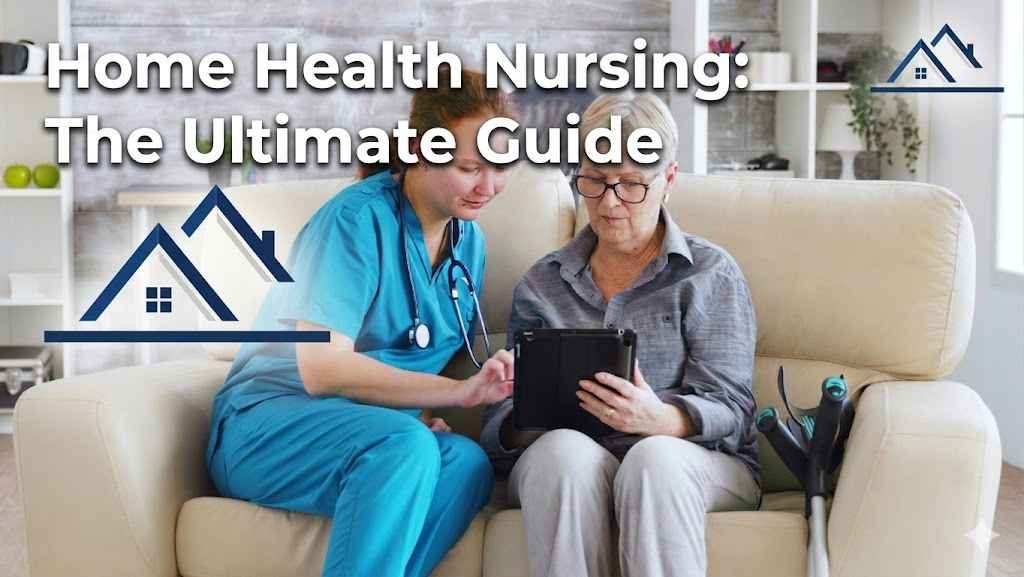
Have you ever wondered how healthcare can extend beyond hospitals and clinics into the comfort of someone’s home? With the aging population and rising demand for personalized care, home health nursing has become an essential pillar of modern healthcare. But what exactly is home health nursing, and why is it so vital today? In this guide, we’ll dive deep into the world of home health nursing, exploring its significance, challenges, and future.
Home health nursing refers to a specialized branch of nursing focused on providing medical care to patients in their own homes. This practice allows individuals—especially those with chronic illnesses, disabilities, or recovery needs—to receive professional care without the need for lengthy hospital stays. Not only does it bring convenience and comfort, but it also plays a critical role in improving patient outcomes and easing the burden on healthcare facilities.
If you’re a healthcare professional considering a career in home health nursing or a family member exploring this service for a loved one, this comprehensive guide will answer all your questions and equip you with the insights you need.
What is Home Health Nursing?
Overview
Home health nursing is a specialized field of nursing where professionals provide medical care to patients in their homes. This type of care can include everything from wound dressing to administering medications, monitoring vital signs, and even rehabilitation therapy. Home health nurses are highly skilled and often work with patients recovering from surgeries, managing chronic illnesses, or dealing with disabilities.
Key Responsibilities
The responsibilities of a home health nurse are as diverse as the patients they serve. A typical day might involve assessing a patient’s condition, creating care plans, educating patients and families about managing illnesses, and coordinating with physicians and other healthcare providers. Whether it’s ensuring a diabetic patient understands insulin injections or helping a recovering stroke patient regain mobility, home health nurses offer personalized, compassionate care.
Why is Home Health Nursing So Important?
Demand for Home-Based Care
The importance of home health nursing cannot be overstated. With the United States witnessing a significant increase in its aging population—projected to reach 20% of the population by 2030—the demand for home-based care has skyrocketed. Moreover, chronic illnesses like diabetes, heart disease, and COPD are on the rise, creating a need for long-term care solutions that hospitals cannot always provide.
Patient Benefits
For patients, the benefits of home health nursing are immense. Receiving care at home fosters a sense of independence and comfort, reduces the risk of hospital-acquired infections, and enhances overall satisfaction with healthcare services.
Impact on Healthcare System
For the healthcare system, home health nursing helps alleviate overcrowded hospitals and ensures that resources are allocated more efficiently.
Key Skills and Qualities of a Home Health Nurse
Technical Skills
To excel in home health nursing, professionals need clinical skills such as administering IV therapy, managing wounds, and handling medical equipment.
Soft Skills
Soft skills like empathy, communication, and adaptability are equally critical. A home health nurse must be able to connect with patients on a personal level, explain medical procedures clearly, and adapt to different home environments.
Training and Education
Most professionals start by earning a nursing degree (Associate’s or Bachelor’s) and obtaining licensure as a Registered Nurse (RN). Additional certifications, such as Certified Home Health Aide (CHHA) or Certified Nursing Assistant (CNA), can enhance career prospects.
Challenges in Home Health Nursing
Work Environment
Unlike hospital settings, where resources are readily available, home health nurses often work in unpredictable environments. Each home presents unique challenges, from limited space to family dynamics that can impact care delivery.
Emotional and Physical Demands
The emotional and physical demands of home health nursing are significant. Caring for patients with complex medical needs can take a toll on nurses, leading to burnout if proper self-care and support systems are not in place.
Solutions
To overcome these challenges, many professionals prioritize time management, seek mentorship, and participate in peer support groups.
How to Become a Home Health Nurse
Educational Pathway
Start by earning a nursing degree—either an Associate Degree in Nursing (ADN) or Bachelor of Science in Nursing (BSN). Once you’ve passed the National Council Licensure Examination (NCLEX-RN), you’ll become a licensed RN.
Licensing and Accreditation
Continuing education and certifications can set you apart in the field. Many home health nurses pursue additional training in gerontology, palliative care, or chronic disease management.
Career Opportunities
With the healthcare industry experiencing significant growth, job opportunities in home health nursing are abundant, offering competitive salaries and job stability.
The Future of Home Health Nursing
Technological Advancements
Telehealth is revolutionizing the way care is delivered, allowing nurses to monitor patients remotely and consult with physicians in real time. Other innovations, such as wearable health devices and artificial intelligence, are making it easier to track patient progress and predict potential health issues.
Growth Projections
According to industry projections, the home healthcare sector is expected to grow by 7% annually over the next decade.
Evolving Roles
As roles evolve, home health nurses may take on more responsibilities, from managing remote care systems to leading interdisciplinary care teams.
Tips for Patients and Families Considering Home Health Nursing
Choosing the Right Provider
Look for agencies that are licensed, accredited, and have a strong reputation in the community.
Cost Considerations
While many services are covered by Medicare, Medicaid, or private insurance, understanding out-of-pocket expenses will help you plan better.
Preparing for Home Care
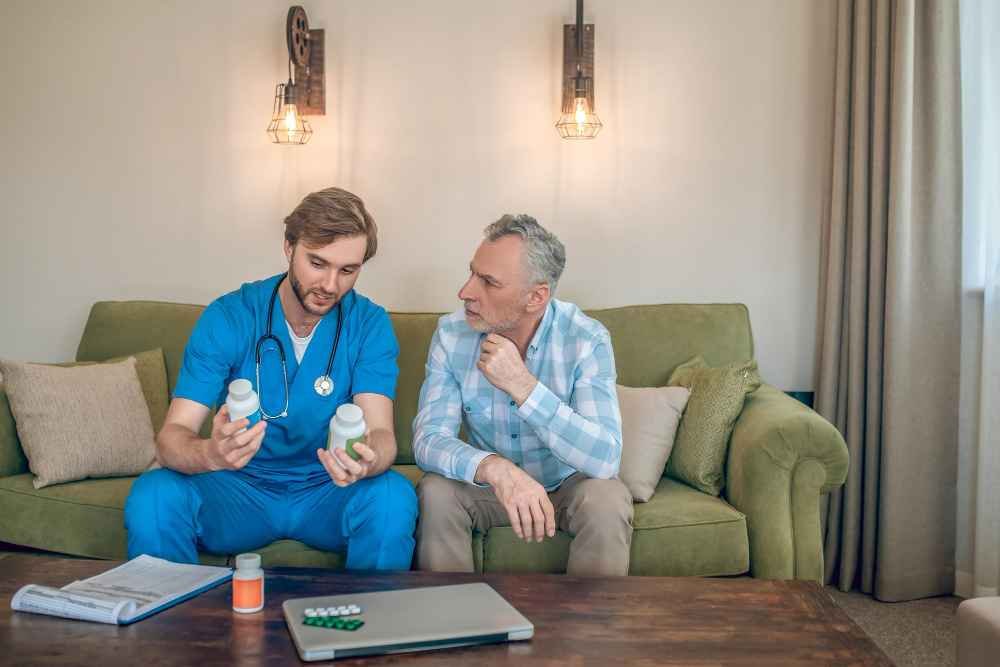
Preparing for home care involves open communication with the healthcare provider, ensuring the home environment is safe and accessible, and setting realistic expectations about the care plan.
Real-Life Stories and Testimonials
Patient Success Stories
For example, a senior recovering from hip surgery regained mobility faster with the help of a home health nurse providing daily physical therapy. Another story involves a mother of a child with a rare genetic disorder who found peace of mind knowing her nurse was just a call away.
Nurse Perspectives
Many nurses describe the joy of building meaningful relationships with patients and witnessing firsthand the difference their care makes in people’s lives.
FAQs About Home Health Nursing
What conditions can be treated through home health nursing?
Home health nursing can address a wide range of conditions, including post-surgical recovery, chronic illnesses, disabilities, and end-of-life care.
How do I know if I need home health care?
If you or a loved one requires medical care but prefers to stay at home, a healthcare provider can assess whether home health nursing is appropriate.
What is the difference between home health nursing and hospice care?
While both provide care at home, hospice focuses on comfort and quality of life for terminally ill patients, whereas home health nursing aims to treat and rehabilitate.
Conclusion
Home health nursing is an indispensable part of modern healthcare, offering patients the opportunity to receive high-quality care in the comfort of their own homes. From its benefits and challenges to the skills required and future advancements, this field continues to evolve, promising a brighter future for patients and healthcare professionals alike.
Whether you’re considering a career in home health nursing or exploring it as an option for a loved one, the possibilities are vast and rewarding. To learn more about this vital healthcare field, consider connecting with reputable home health agencies or educational programs today.