
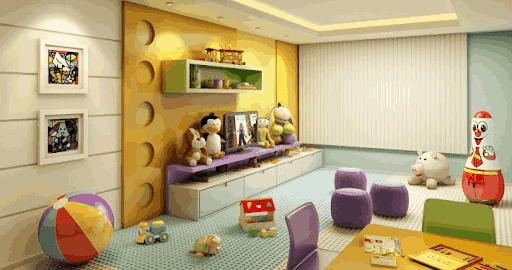
Kids need a home where they can move freely, play safely, and feel at ease. Their surroundings influence how they explore, learn, and grow. A home designed with children in mind does not need to feel dull, cluttered, or poorly designed.
Many people assume that once children enter the picture, style becomes secondary. In reality, thoughtful planning allows a home to remain practical for kids while still feeling cohesive, modern, and intentional.
Multi-Use Spaces for the Family
Flexible spaces help families adapt as needs change over time. Instead of creating separate areas for every activity, it is often more effective to design rooms that can shift function throughout the day. A reading corner can double as a homework zone or a craft area without requiring additional furniture.
Open living areas commonly serve as both play spaces and places to relax. Rearranging furniture as needed keeps these rooms functional without sacrificing comfort or flow. In smaller homes, thoughtful planning matters even more. Folding desks, expandable tables, and stackable seating allow a single room to serve multiple purposes without feeling crowded.
In many households, indoor movement-based play is an important part of daily life, particularly when outdoor play is limited by weather, space, or schedule. Compact activity options, including indoor play equipment or items such as trampolines brisbane families often incorporate into playrooms or backyards, can be worked into layouts that prioritise safety while keeping the home organised and visually balanced.
You do not need major renovations to make your space work better. Furniture choices and layouts that adapt easily tend to offer the best long-term value.
Start with Safe, Not Sterile
Safety is a priority in homes with children, but safety-focused design does not need to look plain. Rounded coffee tables, soft-edged furniture, and wall-mounted storage reduce everyday risks while still fitting seamlessly into a well-designed space.
Sharp corners, slippery floors, and unstable furniture increase the chance of injury. Replacing these with non-slip rugs, sturdy low-profile pieces, and securely anchored storage improves safety without changing the overall look of a room.
Concealing wires, using soft-close hinges, and securing heavy furniture to walls are simple steps that protect children while preserving a clean aesthetic.
Choose Durable, Stylish Materials
Materials selection matters just as much as layout. Items that look good but cannot handle wear, spills, or frequent cleaning tend to create frustration over time. Choosing materials that balance appearance and durability helps keep the home functional and presentable.
Treated cotton, microfibre, and performance linen are practical options for sofas and chairs because they resist stains and are easier to clean. For hard furniture, wood and metal are generally more durable than glass and suit a wide range of interior styles.
Paint finishes also play a role. Washable or wipe-clean finishes make it easier to maintain walls, especially in high-traffic areas. This allows the home to stay visually fresh even with everyday messes.
Pick Colours That Work for Everyone
Bright primary colours are not required in homes with children. Softer tones often create a calmer environment that works for both adults and kids. Soft greens, warm neutrals, gentle blues, and light greys help create a balanced and inviting feel.
Darker furniture or accent walls can add visual interest without making a room feel busy. Textured rugs, patterned cushions, and layered fabrics also help disguise wear while adding depth to the space. These choices age well and reduce the need for frequent redecorating.
Rather than changing an entire room when a child’s preferences shift, it is usually easier to keep a neutral base and update smaller elements such as cushions, artwork, or lighting.
Storage Solutions That Hide the Mess
Effective storage plays a major role in keeping a home feeling calm. Built-in shelving, low cupboards, and storage benches make it easier to put items away while keeping rooms open and functional. Accessible storage also encourages children to participate in cleaning up.
Multi-purpose furniture can reduce visual clutter. Ottomans with internal storage or coffee tables with drawers help contain toys and games without adding extra pieces. Neutral baskets and fabric bins blend into existing decor while keeping smaller items organised.
Simple labels or colour systems help children understand where items belong, which supports daily routines and reduces mess over time.
Style Through Accessories
Accessories are an easy way to add warmth and personality to a home without committing to permanent changes. Cushions, rugs, wall art, and soft furnishings can be swapped out as a family grows or tastes evolve.
To reflect a child’s interests without overwhelming a space, smaller decor elements tend to work better than themed furniture or painted walls. This keeps the home feeling cohesive rather than turning shared areas into play-only zones.
Mirrors, indoor plants, and wall prints can brighten rooms and make them feel more open. Choosing lightweight accessories or securing items properly helps maintain safety while enhancing the overall look.
Final Thoughts
Designing a home that works for children does not require sacrificing style. With practical layouts, durable materials, and thoughtful storage, it is possible to create a space that supports daily family life while still feeling intentional and well-designed. A balanced approach allows a home to grow with its occupants while remaining comfortable, functional, and visually appealing.