
In 2024, Dubai Land Department recorded 226,000 real estate transactions worth AED 761 billion, roughly 207 billion US dollars, marking a 36 percent jump in deal volume and 20 percent rise in value in just one year.
Knight Frank’s Dubai Residential Market Q4 2024 report then showed average residential prices up 19.1 percent over the year, with villas leading the way with 20.2 percent growth and sitting more than 38 percent above their 2014 peak.
Put simply: people are not just buying apartments with city views. They are paying a premium for space, privacy and lifestyle features like water, greenery and on‑site amenities that make home feel closer to a resort.
That is exactly where lagoon communities such as The Oasis by Emaar and DAMAC Lagoons come in, and why more American buyers are starting to pay attention to Dubai’s new kind of waterfront living.
This article walks through how lagoon projects became the next status symbol in Dubai, what day‑to‑day life looks like in these communities, and why this model resonates especially strongly if you’re looking for comfort, stability and a bit of everyday escape.
Everything here draws on primary data from Dubai Land Department, Knight Frank, Betterhomes and established media, so you can connect the lifestyle story to solid numbers.
How Lagoon Living Became Dubai’s Next Status Symbol
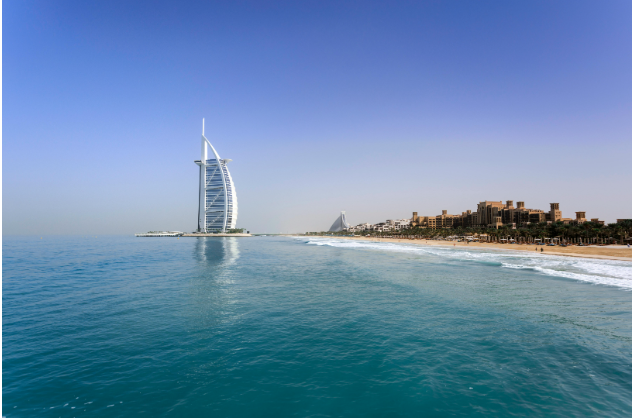
For a long time, the global image of Dubai was defined by super‑tall towers and glittering city skylines.
Recent data tells a slightly different story: villa prices have grown faster than apartments, with Knight Frank reporting 20.2 percent villa price growth in 2024 alone and nearly doubling since 2020, which points to stronger demand for low‑rise, lifestyle‑oriented communities.
Knight Frank’s Destination Dubai 2024 report, produced with YouGov, found that high net worth individuals across several key markets plan to allocate more than 10 billion US dollars to UAE property, with a clear preference for villas and beachfront homes. That appetite for space and water is one of the reasons developers have poured resources into mega‑projects that create new “waterfront” locations rather than relying only on natural coastline. The Oasis by Emaar is a clear example.
Emaar’s materials describe a roughly 100 million square foot master community in Dubailand with more than 7,000 villas and mansions, where around 25 percent of the land is allocated to parks, lakes, lagoons and other open recreational areas.
Instead of clustering homes around a single beachfront, the master plan weaves blue lagoons, canals and green corridors between neighborhoods so a large share of residents have some form of water or park frontage. There is a practical logic behind this.
Natural waterfront is scarce and costly, but engineered lagoons and artificial beaches allow developers to “manufacture” more of the qualities buyers value – water views, boardwalks, paddle‑friendly areas – on land that would otherwise be standard desert plots.
If you’re used to traditional master‑planned suburbs or lake communities, that turns projects like The Oasis into something close to a version 2 of waterfront living: familiar in concept, but executed at a much larger, more coordinated scale.
Seen through that lens, lagoon communities are not a gimmick. They are a deliberate response to global demand for resort‑style homes that can be delivered at scale, grounded in very real transaction growth and capital flows into Dubai.
What Life Looks Like Inside a Lagoon Community
It is one thing to talk about billions of dirhams and millions of square feet. The more important question for you as a reader is what a regular week actually feels like inside these communities.
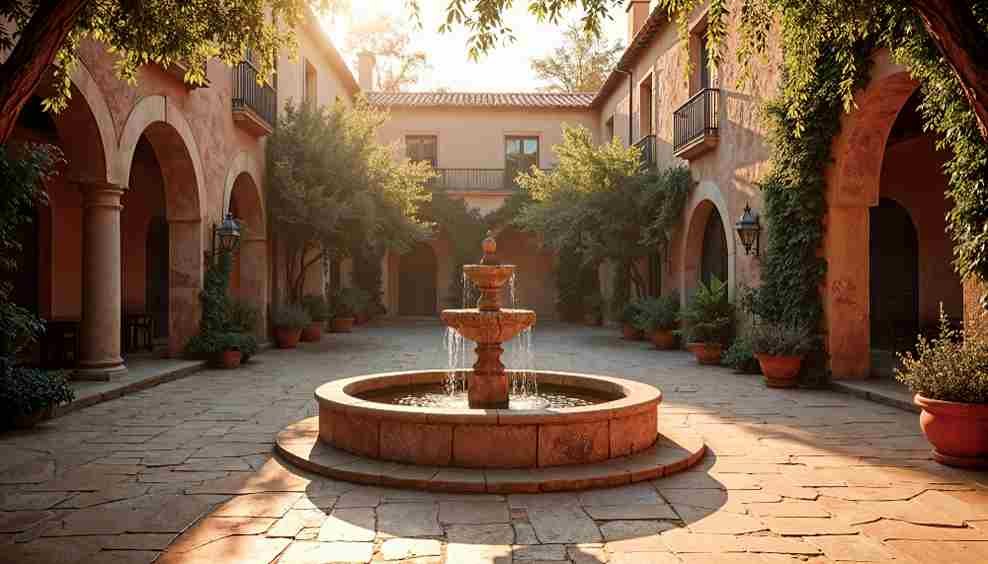
DAMAC Lagoons is a useful case study. Developer and brokerage guides describe a 45 million square foot master plan with multiple Mediterranean‑inspired clusters – Santorini, Venice, Malta and others – arranged around interconnected crystal lagoons, white sand “beaches”, waterfront promenades and a long list of water‑based attractions.
Marketing and independent overviews mention features like floating cinemas, lagoon‑side amphitheatres, zip lines across the water, water slides and dedicated play areas layered in among more everyday amenities.
Betterhomes’ “Future Living: Dubai 2024 Edition” adds another piece of the picture. Surveying more than 1,600 residents, the report found that top requested community or building features include gyms, swimming pools, green spaces and children’s play areas, while at home people want guest bedrooms, home offices and extra storage.
Lagoon projects such as The Oasis by Emaar and DAMAC Lagoons lean heavily into that wish‑list: they combine private gardens and larger villas with shared pools, kids’ zones and walkable or short‑drive access to water and greenery.
For residents, that often shows up in simple, day‑to‑day ways:
- Morning runs or walks along lagoon paths or green belts instead of roadside pavements.
- Weekends built around main pools, kids’ pools and play parks without needing to drive across the city.
- On‑site gyms and community clubs that make it easier to keep social and active routines.
- Everyday errands handled within the master plan, with retail, cafés and basic services integrated into the community rather than scattered.
The Betterhomes survey also notes that millennials form the largest share of residents planning to buy a home in Dubai in the next one to three years, which matches the demographic most likely to value flexible working, wellness and community amenities.
Lagoon communities align neatly with those preferences, which helps explain why they perform well in a market where villas in general have seen the strongest price growth. For a US audience, this is where the model starts to feel relatable.
It is less about a dramatic relocation and more about a familiar routine – school, work, errands – set against a backdrop that looks and feels closer to a beach resort than a typical subdivision.
Rethinking What “Home” Can Be
Stepping back, the numbers give this whole story weight.
Dubai Land Department’s record AED 761 billion of real estate transactions in 2024, and Knight Frank’s 19.1 percent annual price growth with villas at the forefront, show that demand for residential property is not just holding up but expanding.
Within that momentum, lagoon developments sit at the intersection of several preferences: larger homes, abundant amenities, water and green space, and strong community infrastructure.
Projects like The Oasis by Emaar, with 100 million square feet built around lakes and lagoons, and DAMAC Lagoons, with its themed clusters and activity‑rich water features, take those preferences and bake them into the master plan from day one.
For you, the practical value is in seeing what these places solve. They respond to concerns about lifestyle quality, family‑friendly amenities and long term liveability, while giving internationally mobile households another option beyond the usual coastal US markets.
Looking ahead, it is easy to imagine other cities studying these communities to see what they can borrow: engineered water features to make “blue space” more accessible, better integration of daily services, and designs that cater to residents who plan to stay for years rather than a short assignment.
Lagoon living in Dubai is still adapting, but it already offers a clear, evidence backed example of how careful planning, lifestyle data and investor demand can combine into neighborhoods that feel calm, connected and surprisingly attainable for global buyers.
So as more people reconsider where they want to put down roots or add a second base, it is worth asking: could a home beside a man‑made lagoon in the Dubai desert be closer to your ideal everyday setting than the coastal markets
you have always assumed were the default.