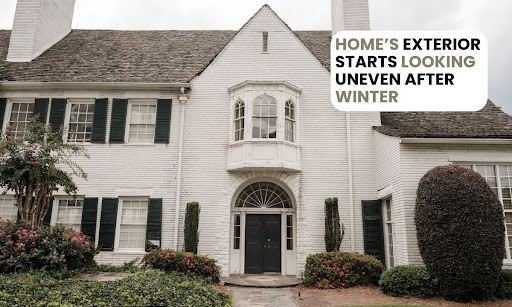


What happens when a community far from its homeland creates a sanctuary to preserve culture and care for its elders? The Welsh Home stands as a remarkable answer—a beacon for aging Welsh expatriates seeking comfort, connection, and dignity. The Welsh Home embodies more than just a residence; it is a living legacy of cultural preservation, community spirit, and compassionate elder care. This blog explores the origins, evolution, daily life, and enduring impact of the Welsh Home, inspiring modern senior living approaches rooted in heritage and humanity.
Historical Origins of the Welsh Home
The Birth of a Cultural Sanctuary
The Welsh Home began as a beacon for aging Welsh expatriates in the early 20th century. In 1911, the Women’s Welsh Club of Cleveland, Ohio, took a pioneering step by organizing a dedicated home for Welsh natives and their spouses. Their mission was clear: to provide a safe, culturally familiar place for elderly Welsh immigrants who often found themselves isolated in a new country.
The First Residence on Mayfield Road
By 1913, the first Welsh Home opened on Mayfield Road, Cleveland, accommodating just 15 residents. Despite its modest size, this facility was a profound symbol of care and cultural identity, offering Welsh elderly a space where language, traditions, and community thrived.
The Expansion to Quebec’s Wales Home
Across the border in Quebec, Canada, the vision of the Welsh Home took root as well. By 1920, a successful fundraising campaign raised $175,000 to build a new site. Construction began in 1921, welcoming the first resident, Mr. Chas. Mackie, in 1922. This marked a significant milestone, expanding the Welsh Home’s reach and reinforcing its mission in a broader North American context.
| Year | Milestone for The Welsh Home |
|---|---|
| 1911 | Women’s Welsh Club organizes |
| 1913 | First Cleveland home opens |
| 1921 | Quebec site construction begins |
| 1922 | First Quebec resident arrives |
The Welsh Home began as a beacon for aging Welsh expatriates, a symbol of hope and cultural preservation in unfamiliar lands.
Facility Expansions: Growth Rooted in Community
Cleveland’s Move to Rocky River
In 1921, the Cleveland Welsh Home relocated to a larger 7.5-acre site in Rocky River, featuring a farmhouse with nine bedrooms and an orchard. This expansion allowed more residents to benefit from the community atmosphere and serene environment reminiscent of Wales.
Quebec’s 1940 Expansion
The Quebec Welsh Home experienced its own significant growth in 1940, thanks to a generous donation from the Norton family. The addition of a fire-proof wing and an elevator increased capacity to 82 residents, combining safety with modern convenience.
The 1963 Cleveland Modernization
By 1963, the Cleveland location replaced its original farmhouse with a modern structure housing over 29 elders. This rebuild included infirmaries and staff quarters, blending tradition with evolving elder care standards.
Modern Features Preserving Welsh Heritage
- Communal dining featuring traditional Welsh cuisine
- Cultural events such as St. David’s Day celebrations
- Accessibility upgrades for modern health and mobility needs
| Location | Original Capacity | Key Expansion |
|---|---|---|
| Cleveland | 15 residents | 1963 modern build |
| Quebec | 41 beds | 1940 expansion to 82 beds |
The evolution of the Welsh Home reflects a commitment to growth while honoring the cultural roots that define it.
Daily Life and Community at The Welsh Home
Embracing Tradition Through Routine
Residents of the Welsh Home engaged in daily activities that mirrored early 1900s Welsh self-sufficiency. Workshops, gardening, and laundry chores fostered a sense of purpose and community involvement.
Stories That Inspire
Residents like Mr. Chas. Mackie exemplified the Welsh Home’s spirit—a blend of resilience, tradition, and camaraderie. His story, among many others, highlights how the Welsh Home became a family away from home.
Welsh Traditions That Thrive
- Harp music sessions to calm and entertain
- Welsh language classes preserving linguistic heritage
- Storytelling circles sharing folklore and memories
Health and Social Services
- Infirmary care established since the 1940s
- Social programs reaching over 3,911 Quebec residents
- Support systems emphasizing dignity and respect
From gardening to music, the Welsh Home’s daily life is a vibrant tapestry weaving together culture and care.
Legacy and Modern Relevance of The Welsh Home
Nearly a Century of Service
Approaching its centennial in Quebec and beyond, the Welsh Home stands as a testament to community-driven elder care. The national Women’s Welsh Clubs continue to support and expand its mission.
Global Influence on Ethnic Senior Homes
The Welsh Home’s model has inspired ethnic senior homes worldwide, highlighting the importance of culturally sensitive care.
Business Insights from The Welsh Home Model
- Community fundraising as a sustainable financial strategy
- Heritage focus fostering meaningful resident engagement
- Blending tradition with modern elder care best practices
| Aspect | Legacy Example |
|---|---|
| Cultural | Preserved Welsh identity |
| Architectural | Fire-proof innovations |
| Philanthropic | Club-led expansions and community support |
The Welsh Home’s legacy offers valuable lessons for elder care providers seeking to combine culture, compassion, and sustainability.
Conclusion: The Welsh Home as an Enduring Legacy
The Welsh Home is more than a historic care facility; it is a vibrant emblem of how culture and community can shape compassionate elder care. By preserving Welsh traditions and adapting to modern needs, the Welsh Home continues inspiring senior living solutions that honor heritage while embracing progress.
For those interested in heritage-inspired senior solutions, exploring the Welsh Home model offers invaluable insights. Contact our business today to learn how culturally focused elder care can transform your approach to senior living.
FAQs About The Welsh Home
What is the Welsh Home?
It is a historic care facility established by Welsh communities to provide culturally sensitive residences for elderly Welsh natives and descendants.
Where are the Welsh Homes located?
Notably in Cleveland, Ohio, and Quebec, Canada.
How does the Welsh Home preserve Welsh culture?
Through traditional cuisine, language classes, music, and community events.
Is the Welsh Home still operational today?
Yes, with modern updates and ongoing community support.