

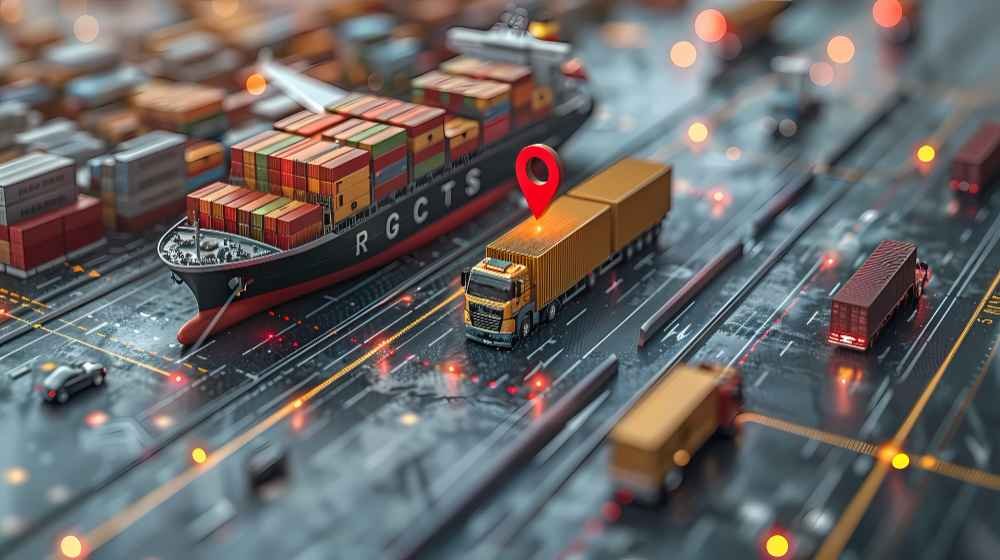
Most transport operations seem crazy from the outside, but the best operations have something in common. Systems running in the background manage the complicated details of the process to ensure that chaos doesn’t ensue. When everything is going well, it’s as if everyone has a psychic connection. Drivers know where they’re going, customers get accurate estimates and dispatchers aren’t pulled together to troubleshoot every five minutes. Yet it’s not just luck.
It’s planned. Not well intended. Not hard-working planned. Systems implemented and integrated that master the moving parts before the drivers even leave the yard. Transport companies with upwards of dozens of jobs per day can’t rely on guesswork and memory. The volume of work makes it impossible.
Where Manual Systems Fail
Sure, running a small-scale operation with a handful of vehicles can boast a spreadsheet and a few phone calls, but when volume increases and the number of drivers, customers and time windows becomes untenable, manual systems fall apart. Someone forgets to update a spreadsheet to note that a customer pushed back their window. A driver calls in sick and all of a sudden, five jobs need reassignment on short notice. A customer decides they want their delivery at 2pm instead of 3pm, and the driver’s day has already been reshuffled based on previous pickups and drop-offs.
The problem is not any one issue that arises independently. The problem is that a manual system lacks the flexibility to adapt quickly and seamlessly amidst change, and change happens all the time in transport. Traffic gets in the way. Vehicles break down or need servicing. Customers change their minds last minute. The ripple effect of each small change requires someone to take stock, readjust and communicate with those involved.
Where Systems Succeed
This is where proper transportation management system software makes the most difference. It’s the constant recalculation that would otherwise take up hours, if not entire days, of someone’s work week when they’d rather be doing other things. These systems take in all factors (vehicle capacity, required driver hours, time windows, locations) and run them through analytical software to find the most efficient and effective way to get it all done.
But it’s not just about planning up front. The best systems are responsive. A job comes in? The system can determine where it fits as long as it doesn’t disrupt everything else going on. A delivery is taking longer than expected? Automatically, drivers and customers are updated about timelines as they change and adapt in real time. This type of responsive planning is what keeps all operations running smoothly even if they’re faced with problems that appear out of nowhere.
The First Hour Sets the Mood for the Day
The first hour for transport managers when they get in for work tends to be crucial; they’re working through confirmations, vehicle assignments, driver briefings and they must ensure everyone knows what’s going on before they step out their door. Yet with the proper planning systems in place, this process can be streamlined out of manual work entirely.
Instead of having to input each step, creating their own route and calculating for traffic or drive time (only to find they’ve given one driver too many stops on their way out without proper breaks), they can take advantage of built-in technology that helps them see potential problems before they’ve even left the yard instead of half way through the day when it’s nearly impossible to make those changes.
Problem Solve That’s Going to Happen
Even under optimal conditions when a transport operation seemingly has everything planned perfectly, and then something goes wrong, there are still consistent disruptions that occur from day to day. Vehicles breakdown. Customers are unprepared for arrivals. The weather delays everything. It’s not a matter of whether problems will arise; it’s how quickly transportation operations can respond.
This is where planning systems assist with transparency throughout an entire operation. When something goes wrong, managers can take stock of what’s been impacted in order to assess potential solutions. Which nearby driver has capacity? Is it safe to push this delivery off until tomorrow without incurring a penalty for customer satisfaction? The faster management gets this intel, the better decisions can be made to avoid ripple effects.
Why Communication Gets So Much Easier
There is something to be said about communication, too. One of the best things about planning systems is that the software increases internal comms. Drivers aren’t constantly calling into the office asking about their next steps. Customers aren’t constantly on hold trying to figure out when their deliveries might arrive. More often than not, systems do all of that routine pre-emptively, from alerts to ETAs to completion confirmations to flagged adjustments that require human intervention.
This doesn’t just save time; it saves stress. Instead of constantly interrupting others with what seem like simple questions and getting frustrated when managers don’t have answers off the top of their heads, these goals are achievable without putting anyone else under pressure as long as everyone operates under the same source in real-time.
The Difference for Growing Business
Sometimes there are companies that can get away without systems before they absolutely need them and then boom, the cracks begin to show once expansion happens too quickly without effective systems in place. Adding more vehicles and drivers does not always equate to better planning if there is no proper planning system there to accommodate change as well.
Transport companies that seek out proper systems before they’re desperate tend to grow more seamlessly; they can take on additional work without additional administrative burden in equal proportion; they can prove reliability based upon bigger clients who require consistency; they can pinpoint their most profitable routes and customers ahead of time instead of trusting they are making any money at all.
What Actually Matters in Daily Operations
At the end of the day, successful transport operations rely on information at the moment so people can act quickly; these details are made possible with effective planning systems that explore complexities others would find too overwhelming. Systems don’t ensure no problems arise, they solve problems and minimize them as better alternatives to operations that run behind schedule every day due to outdated methods that do not prepare for anything unexpected.