
When it comes to protecting a home, few components matter more than the roof. Residential roofing plays a critical role in shielding a house from weather, improving energy efficiency, and contributing to overall curb appeal. With so many roofing materials available today, homeowners are often unsure which option best fits their needs. Understanding the strengths and limitations of common residential roofing materials can make the decision clearer and more informed.
Asphalt Shingles: The Most Common Residential Roofing Choice
Asphalt shingles remain the most widely used residential roofing material in North America. Their popularity comes from affordability, ease of installation, and versatility in design. Available in a wide range of colors and styles, asphalt shingles can complement nearly any home exterior.
From a performance standpoint, modern architectural shingles offer improved durability compared to older three-tab options. They typically last 20–30 years when properly installed and maintained. While asphalt shingles are cost-effective, they may be more susceptible to storm damage and temperature extremes compared to premium materials.
Metal Roofing: Durable and Energy Efficient
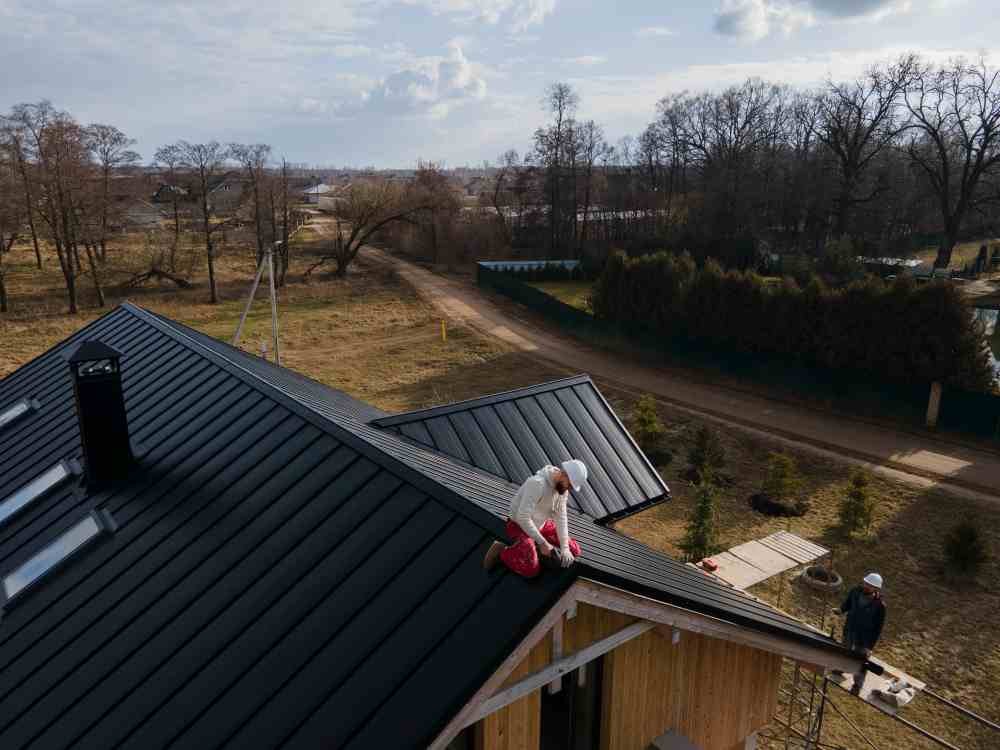
Metal residential roofing has gained popularity in recent years, especially among homeowners looking for longevity and energy efficiency. Metal roofs can last 40–70 years and are known for their resistance to fire, wind, and impact damage.
One of the key benefits of metal roofing is its ability to reflect solar heat, which can reduce cooling costs during warmer months. Metal roofs are also recyclable, making them an environmentally friendly option. While the upfront cost is higher than asphalt shingles, the long-term durability often offsets the initial investment.
Tile Roofing: Long-Lasting and Visually Distinct
Tile roofing, commonly made from clay or concrete, is often associated with Mediterranean, Spanish, or Southwestern-style homes. This type of residential roofing is highly durable and can last 50 years or more with proper care.
Tile roofs perform exceptionally well in hot climates and are resistant to fire and insect damage. However, they are significantly heavier than other roofing materials, meaning a home’s structure must be evaluated before installation. Tile roofing also tends to be more expensive, both in material and labor costs.
Wood Shakes and Shingles: Natural Appearance with Added Maintenance
Wood roofing offers a natural, rustic appearance that appeals to homeowners seeking a distinctive look. Cedar is the most commonly used wood for residential roofing due to its resistance to decay and insects.
While visually appealing, wood roofs require regular maintenance to prevent moisture issues, mold growth, and fire risks. In some regions, fire codes may restrict the use of wood roofing materials. Homeowners considering this option should weigh aesthetics against maintenance demands and local regulations.
Slate Roofing: Premium Performance and Longevity
Slate is one of the most durable residential roofing materials available, with lifespans that can exceed 75 years. Its natural stone composition makes it resistant to fire, moisture, and extreme weather conditions.
Despite its longevity, slate roofing comes with notable drawbacks. It is one of the most expensive roofing options and requires specialized installation. Like tile, slate is heavy and may not be suitable for every home without structural reinforcement.
Choosing the Right Residential Roofing Material
Selecting the best residential roofing material depends on several factors, including climate, budget, architectural style, and long-term maintenance expectations. Homeowners should also consider how long they plan to stay in the home and whether energy efficiency or sustainability is a priority.
A professional roofing evaluation can help determine which materials are compatible with a home’s structure and local building codes. Experienced contractors can also explain how different roofing systems perform in specific weather conditions.
Final Thoughts
Residential roofing is a long-term investment that affects both protection and property value. By understanding the differences between shingles, metal, tile, and other roofing materials, homeowners can make confident decisions that balance durability, appearance, and cost.
Working with knowledgeable professionals can help ensure that the chosen roofing solution meets both practical needs and design goals without unnecessary complications.