

What exactly defines a middle class home in today’s evolving real estate landscape? As homeownership trends shift in 2025, many Americans seek residences that balance comfort, affordability, and practicality. The term “middle class home” often brings to mind a residence sized between 1,000 and 2,000 square feet, designed to meet the everyday needs of families without excess luxury. These homes offer financial stability, community connection, and efficient living spaces tailored to modern lifestyles.
This article dives deep into the world of the middle class home, exploring its key features, benefits, design ideas, and practical buying tips. Whether you’re a first-time buyer or looking to upgrade, understanding what makes a middle class home special can help you make informed decisions and create a space that truly feels like home.
Key Features of a Middle Class Home
Versatile Multipurpose Spaces
One hallmark of a middle class home is its ability to adapt. Buyers often look for flexible rooms that serve multiple functions. For example, basements might double as home offices or guest rooms, while attics can transform into bedrooms for children or hobby areas. This versatility maximizes usable square footage without expanding the home’s footprint, a crucial factor for affordability.
Innovative Storage Solutions
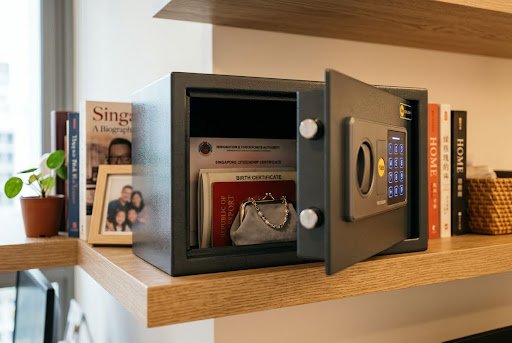
Storage is a top priority in middle class homes. Built-in shelves, raised flooring with hidden compartments, and cleverly designed closets help families keep essentials organized without costly additions. These features make everyday living smoother and reduce clutter, enhancing the home’s overall appeal.
Energy-Efficient Appliances and Smart Technology
Modern middle class homes increasingly incorporate energy-saving appliances and smart devices. While not as elaborate as luxury home automation, basic smart thermostats, programmable lighting, and energy-efficient HVAC systems help reduce utility bills and add convenience. These practical upgrades align with the middle class focus on value and sustainability.
Practical Design Over Extravagance
Unlike luxury homes that emphasize opulence, middle class homes prioritize function. For instance, a middle class home might feature a simple yet effective smart thermostat rather than a fully integrated home automation system. This approach keeps costs manageable while still offering modern comforts.
Benefits of Owning a Middle Class Home
Financial Stability and Predictability
Owning a middle class home often means securing a fixed-rate mortgage, which provides predictable monthly payments. This stability protects homeowners from sudden rent increases and helps with long-term budgeting.
Building Home Equity
Homeownership allows families to build equity over time. This equity can serve as a financial safety net, accessible through loans or lines of credit during emergencies or major expenses.
Stronger Community Ties
Studies show homeowners are 1.7 times more likely to engage in local community groups compared to renters. This involvement fosters safer neighborhoods and a sense of belonging, enhancing quality of life.
Pros and Cons Compared to Renting
- Pros: Equity building, tax benefits, customization freedom, and community engagement.
- Cons: Maintenance responsibilities, upfront costs, and less mobility.
Overall, owning a middle class home is a solid foundation for long-term wealth and family security.
Middle Class Home Design Ideas
Living Room Interiors
A cozy, inviting living room is essential. Middle class homes often feature budget-friendly designs that blend utility with style. Multifunctional furniture like storage ottomans and sleeper sofas maximize space. Neutral color palettes create an elegant yet timeless look without overwhelming the budget.
Kitchen and Bathroom Upgrades
Practical upgrades can elevate these spaces without breaking the bank. Efficient countertops made from durable materials, energy-saving fixtures, and affordable heated floors add comfort and value. Many of these improvements can be completed for under $5,000, making them accessible for middle class budgets.
Bedroom and Storage Optimization
Maximizing bedroom space is key. Vertical shelving units and convertible beds help optimize limited square footage. These solutions keep rooms organized and functional, perfect for growing families or shared spaces.
Buying a Middle Class Home: Tips and Costs
Market Overview for 2025
The ideal middle class home typically ranges from 1,000 to 1,500 square feet, often located in suburban neighborhoods with good schools and amenities. Buyers should focus on homes offering versatility and energy efficiency.
Budget Breakdown
| Feature | Average Cost | Benefit |
|---|---|---|
| Energy-efficient windows | $10,000 | Up to 20% savings on utilities |
| Multipurpose basement | $15,000 | Additional living or work space |
| Smart storage solutions | $2,000 | Improved organization |
Steps to Buying
- Assess your family’s needs and lifestyle.
- Get pre-approved for a mortgage to understand your budget.
- Inspect homes for flexible spaces and energy-efficient features.
- Consider future resale value and neighborhood growth.
Challenges and Solutions for Middle Class Homes
Space Limitations
Many middle class homes face space constraints. A popular solution is repurposing garages into guest suites or home offices, adding valuable square footage without costly expansions.
Managing Energy Costs
Energy bills can strain budgets. Installing basic smart thermostats and LED lighting helps reduce consumption. These affordable upgrades pay off over time.
Maintenance and Upkeep
Home maintenance can be daunting. DIY projects like seasonal gutter cleaning, minor repairs, and landscaping keep costs down and preserve home value.
Future Trends in Middle Class Homes
Looking ahead to 2026, middle class homes will increasingly feature hybrid workspaces to accommodate remote jobs. Sustainable building materials and energy-efficient designs will become standard, reflecting growing environmental awareness. Basic AI-powered devices, such as voice-activated assistants, will be more common, offering convenience without luxury price tags. Adaptability will remain key as families seek homes that evolve with their changing needs.
Key Takeaways
- A middle class home balances affordability, comfort, and practicality, typically sized between 1,000 and 2,000 square feet.
- Versatile spaces and smart storage solutions maximize functionality without extra cost.
- Energy-efficient appliances and basic smart technology reduce utility bills and add convenience.
- Homeownership offers financial stability, equity building, and stronger community ties.
- Practical design ideas focus on multifunctional furniture, budget-friendly upgrades, and space optimization.
- Buying tips emphasize assessing needs, budgeting wisely, and prioritizing energy efficiency.
- Challenges like limited space and maintenance can be addressed with creative solutions.
- Future trends point to hybrid workspaces, sustainability, and accessible AI technology.
Conclusion
The middle class home remains a cornerstone of American life, offering families a stable, efficient, and comfortable place to grow. By understanding its defining features, benefits, and design possibilities, buyers can make informed choices that suit their lifestyles and budgets. Whether upgrading or purchasing for the first time, embracing the practical charm of a middle class home can lead to lasting satisfaction and financial security. Readers are encouraged to share their own middle class home experiences in the comments and subscribe for more design tips and buying advice.