

Introduction: Why Did a Mexican Chain Close 77 Locations?
What would you do if your favorite local taco spot suddenly vanished? That’s the question countless fans of Rubio’s Coastal Grill are asking now that a major Mexican chain closes 77 locations across California and the Southwest. Rubio’s, a brand synonymous with fish tacos and coastal flavors, filed for Chapter 11 bankruptcy in December 2024. By January 2025, the company had shuttered 77 of its 86 locations in California, resulting in the loss of over 700 jobs and leaving loyal customers searching for alternatives.
The timing couldn’t be worse for the restaurant industry, which has been battered by inflation, rising labor costs, and changing consumer habits. If you’ve been following the headlines about restaurant closures in 2025, you know that Rubio’s isn’t alone—fast-casual brands nationwide are facing unprecedented challenges. Still, the scale of this Mexican chain closing 77 locations is striking, given its nearly 50-year history and deep roots in California’s dining scene.
Why did this happen? What does it mean for communities, employees, and the future of Mexican restaurant chains in America? In this deep dive, you’ll learn about the rise and fall of Rubio’s, the industry forces at play, and what’s next for diners and entrepreneurs. Want to know if your local Rubio’s survived? Keep reading for the key facts, impact, and expert predictions.
Which Mexican Chain Closes 77 Locations? Background on Rubio’s
History and Rise of Rubio’s Coastal Grill
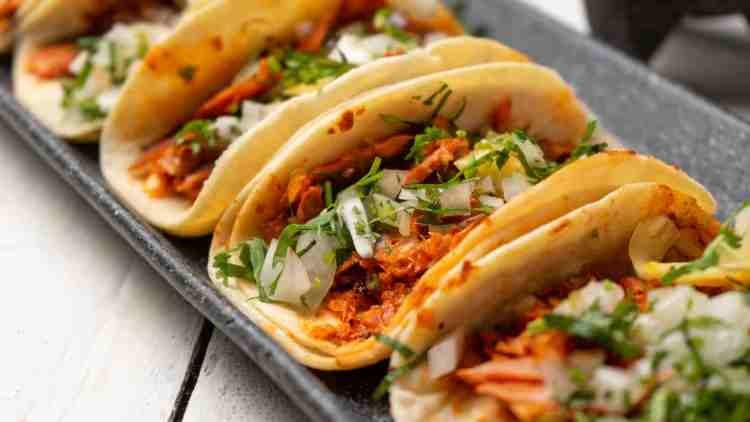
Rubio’s Coastal Grill started in 1983 with a simple idea: bring Baja-style fish tacos to San Diego. Robert Rubio, inspired by the flavors he discovered on a college trip to Mexico, opened the first Rubio’s stand just blocks from the beach. The concept took off—fresh fish, cabbage slaw, tangy white sauce, and a warm corn tortilla—attracting locals and tourists alike. By the 1990s, Rubio’s had expanded throughout California, and by the 2010s, the chain boasted over 200 locations across the United States.
Ownership of Rubio’s changed hands several times as private equity groups saw potential in the brand. Mustard Seed Investments acquired Rubio’s in 2020, aiming to modernize operations and expand its digital presence. Despite these efforts, Rubio’s struggled to keep pace with fast-growing competitors. The chain’s “coastal taco” identity remained strong, but operational and financial headwinds loomed.
Timeline of the Closure Announcement
| Date | Event | Impact |
|---|---|---|
| Dec 2024 | Chapter 11 filing | Debt restructuring initiated |
| Jan 2025 | 77 locations shuttered | Primarily California; 9 remain open |
| Ongoing | Asset sale process | Potential buyer rumors (e.g., private equity) |
Rubio’s journey from beachside favorite to the headline “Mexican chain closes 77 locations due to bankruptcy” is a powerful example of how quickly fortunes can change in the fast-casual dining world.
Why Did the Mexican Chain Close 77 Locations? Key Reasons
Financial Pressures: Debt and Rising Costs
Rubio’s entered 2024 with a crushing debt load exceeding $100 million. The chain had already weathered the storm of the COVID-19 pandemic, but its recovery lagged behind larger competitors. The USDA reported that food costs rose by 30% between 2021 and 2024, squeezing profits across the industry. Meanwhile, California’s minimum wage hikes—reaching $16 per hour by 2024—slashed margins by a further 25%. Rubio’s, with the vast majority of its locations in high-cost California markets, simply couldn’t keep up.
Operational Challenges
Rubio’s business was heavily concentrated in California, with 86% of its stores in the state. This over-reliance on one market left it exposed to regional regulations, cost spikes, and economic slowdowns. At the same time, competition from Chipotle, Taco Bell, and local taquerias intensified. While Rubio’s tried to pivot to digital ordering and third-party delivery during the pandemic, these efforts couldn’t make up for a 40% decline in dine-in traffic. DoorDash and Uber Eats partnerships helped, but didn’t restore profitability.
Broader Industry Trends
According to the National Restaurant Association, 2025 has seen a 15% closure rate in the casual dining sector, with Mexican chains hit especially hard. The Tex-Mex boom of the 2000s has faded, replaced by a fragmented market where consumers seek novelty and value. Rubio’s found itself squeezed between fast-growing national brands and nimble local competitors. The reasons Mexican chain closes 77 locations in 2025 are part of a much larger story about shifting tastes, rising costs, and the challenges of adapting at scale.
Visualizing the cost breakdown for a typical fast-casual Mexican restaurant:
- Labor: 40%
- Rent: 30%
- Food: 20%
- Utilities/Other: 10%
When labor and food costs spike simultaneously, the margin for error shrinks to zero.
Impact of Mexican Chain Closing 77 Locations
On Employees and Communities
The closure wave meant over 700 employees lost their jobs, with little clarity on severance or rehiring prospects. Many of these workers had been with the brand for years, and their sudden unemployment strained local job markets. Communities lost not just a place to eat, but also a familiar neighborhood gathering spot.
The ripple effects didn’t stop there. Suppliers, many of them small California businesses, lost over $5 million in contracts. Even internationally, the supply chain was affected—Rubio’s sourced avocados from Mexico and, in some cases, Pakistan. The impact on hospitality jobs and small business suppliers will be felt for months to come.
On Customers and Competitors
Long-time Rubio’s fans were devastated, especially in areas where the chain was a local institution. Many turned to other Mexican chains like Del Taco, which saw a 10% uptick in sales at surviving locations. Others sought out independent taquerias or explored new fast-casual options. The market shift is already prompting competitors to adjust their menus and marketing to attract Rubio’s former customers.
Economic Ripple
- Job market strain in hospitality
- Vacant strip mall and shopping center spaces
- Loss of supplier contracts for California businesses
- Increased competition among surviving Mexican chains
- Consumers shifting to value-oriented Mexican eateries
The closure of so many stores also impacts the broader local economy, from real estate to retail foot traffic.
What Happens Next? Future for Rubio’s and Mexican Chains
Bankruptcy Outcomes
Rubio’s is now in the midst of a court-supervised asset sale, with only nine California stores remaining open. There’s speculation about private equity buyers or even a rebranding—perhaps adopting a “Chicken Plus” model or expanding into new food categories. The asset auction will determine whether Rubio’s can survive in some form or if the brand disappears entirely.
Lessons for Surviving Mexican Chains
Other Mexican chains are taking note. The key to survival appears to be menu innovation—adding plant-based tacos, healthier options, and regional specialties. Embracing technology is also essential. Chains that implement AI-powered ordering and automation can cut labor costs by as much as 20%. Most importantly, spreading risk by expanding beyond a single state or region can help avoid the fate that befell Rubio’s.
Predictions
Despite the closures, analysts forecast that the global Mexican fast-casual segment will grow by 5% by 2027, thanks to innovation and international expansion. In the U.S., however, closures will likely continue as brands adapt to inflation and evolving consumer preferences. The phrase “Mexican restaurant chain closures 2025 trends” will remain a hot topic as the industry reshapes itself.
Similar Cases: Other Mexican Chains Facing Closures
Red Robin and Friendly’s Closures
While not Mexican brands, Red Robin and Friendly’s have also faced major closures, underscoring broader restaurant industry struggles.
Pure Mexican Chains
Other Mexican chains have not been immune. El Toro closed 20 locations in 2024 due to debt and was subsequently sold. Moe’s Southwest Grill has trimmed its franchise footprint to focus on core markets. In contrast, Chipotle remains an industry outlier, with continued growth and no major closures.
| Chain | Closures | Reason | Status |
|---|---|---|---|
| Rubio’s | 77 | Bankruptcy | Restructuring |
| El Toro | 20 | Debt | Sold |
| Chipotle | 0 | Strong | Expanding |
This table shows that while some Mexican chains are struggling, others are finding ways to thrive.
How This Affects You: Tips for Diners and Entrepreneurs
If you’re a diner, explore local independent Mexican restaurants or seek out creative fusion spots—halal-Mexican cuisine is trending in places like Bannu. For entrepreneurs, the Rubio’s story is a warning against overexpansion and a reminder to closely monitor costs. Embrace technology and stay agile in responding to changing market conditions.
Key Takeaways
- The phrase “Mexican chain closes 77 locations” is a sign of deeper challenges in the fast-casual restaurant sector.
- Rubio’s Coastal Grill’s downfall was driven by high debt, rising costs, and lack of geographic diversity.
- The closures have impacted employees, suppliers, and customers across California and beyond.
- Surviving chains must innovate, leverage technology, and avoid putting all their eggs in one basket.
Conclusion
Rubio’s story—how a beloved Mexican chain closes 77 locations in a single year—serves as a wake-up call for both diners and business owners. The restaurant industry is changing rapidly, and only the most adaptable brands will survive. Share your thoughts below and subscribe for more insights on restaurant trends and industry news.