

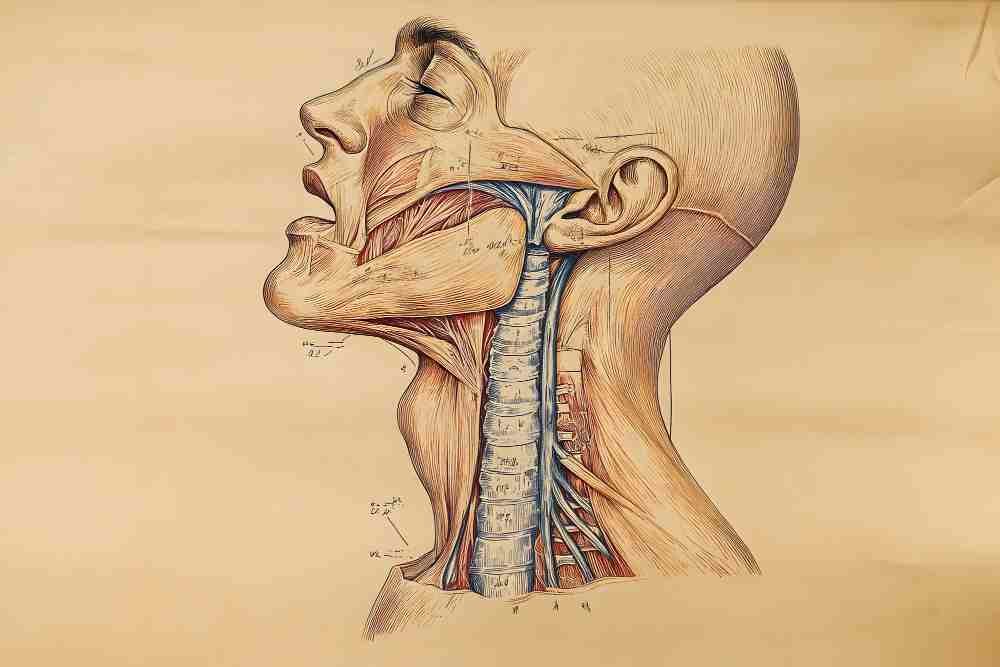
Have you ever wondered where lymph node locations are in your body and why they matter? Lymph nodes are small, bean-shaped structures scattered throughout the lymphatic system, acting as vital checkpoints for your immune defense. Adults typically have between 450 and 600 lymph nodes clustered near organs and along major vessels. These nodes filter lymph fluid, trap harmful pathogens, and activate immune responses. Understanding where these nodes are located can help you recognize signs of infection or illness, such as swelling, and know when to seek medical advice.
This comprehensive guide maps all major lymph node locations, from the neck down to the groin, explaining their anatomy, functions, and clinical significance. Whether you’re curious about swollen lymph nodes or want to learn more about your body’s immune system, this article covers it all with clear diagrams and easy-to-understand explanations. Let’s explore the fascinating world of lymph node locations and their role in keeping you healthy.
Head and Neck Lymph Nodes
The head and neck region contains some of the most important lymph node groups, responsible for draining lymph from the scalp, face, mouth, and throat. These nodes are divided into superficial and deep chains, each with specific drainage territories.
Superficial Cervical Lymph Nodes
- Submental Nodes: Located under the chin, these nodes drain lymph from the lower lip, floor of the mouth, and tip of the tongue.
- Submandibular Nodes: Found beneath the jawline, they filter lymph from the cheeks, upper lip, and lateral aspects of the nose.
- Preauricular Nodes: Situated in front of the ears, these nodes handle drainage from the temples and eyelids.
- Mastoid and Occipital Nodes: Positioned behind the ears and at the base of the skull, they drain the posterior scalp and ear regions.
Deep Cervical Lymph Nodes
These nodes lie along the internal jugular vein and are less palpable but crucial for draining deeper structures.
- Jugulodigastric Node: Located near the angle of the jaw, it filters lymph from the tonsils and pharynx.
- Prelaryngeal and Retropharyngeal Nodes: These nodes drain the thyroid gland and pharynx, respectively.
| Node Group | Location | Drains |
|---|---|---|
| Submental | Under chin | Lower lip, chin |
| Submandibular | Beneath jaw | Mouth, cheeks, nose |
| Preauricular | In front of ears | Temples, eyelids |
| Mastoid/Occipital | Behind ears, skull base | Posterior scalp, ear |
| Jugulodigastric | Angle of jaw | Tonsils, pharynx |
Understanding these nodes helps in diagnosing infections like tonsillitis or scalp infections, where swelling often occurs in these areas.
Thoracic and Chest Lymph Nodes
The thoracic region houses lymph nodes that filter lymph from the lungs, heart, and chest wall. These nodes are essential for immune surveillance in the respiratory and cardiovascular systems.
Mediastinal and Hilar Nodes
- Mediastinal Nodes: Located in the central chest cavity, these nodes surround the trachea and esophagus, filtering lymph from the lungs and heart.
- Hilar Nodes: Found at the lung roots, they drain lymph directly from lung tissue.
Parasternal and Intercostal Nodes
- Parasternal Nodes: Situated alongside the sternum, they filter lymph from the anterior chest wall and breasts.
- Intercostal Nodes: Positioned between the ribs, these nodes drain the thoracic wall.
Axillary Lymph Nodes
The axillary (armpit) nodes are among the most clinically significant due to their role in breast cancer staging and upper limb infections. They are divided into three levels:
| Axillary Level | Position | Drains |
|---|---|---|
| Lateral | Near humerus | Upper limb |
| Central | Around axillary artery | Chest wall, breast |
| Apical | Near first rib | Supraclavicular nodes |
These nodes are often examined during physicals and imaging to detect infections or malignancies.
Abdominal and Pelvic Lymph Nodes
Deep within the abdomen and pelvis, lymph nodes cluster around major blood vessels, filtering lymph from digestive organs and lower body regions.
Celiac and Mesenteric Nodes
- Celiac Nodes: Surround the celiac artery, draining lymph from the stomach, liver, pancreas, and spleen.
- Superior and Inferior Mesenteric Nodes: Follow the mesenteric arteries, filtering lymph from the intestines.
Para-Aortic and Iliac Nodes
- Para-Aortic Nodes: Line the abdominal aorta, collecting lymph from the kidneys, adrenal glands, and lower limbs.
- Common, External, and Internal Iliac Nodes: Located in the pelvic region, these nodes drain the pelvic organs and lower limbs.
Inguinal Lymph Nodes
- Superficial Inguinal Nodes: Found in the groin crease, they drain lymph from the lower abdomen, external genitalia, and legs.
- Deep Inguinal Nodes: Situated deeper near the femoral vein, they receive lymph from the superficial nodes and deeper structures.
Key clusters include the cisterna chyli, a sac-like structure at the base of the thoracic duct, which collects lymph from the abdomen and lower limbs before it ascends to the chest.
Limb and Other Lymph Node Locations
Lymph nodes are also present in the limbs, though fewer in number compared to the trunk.
Lower Limb Nodes
- Superficial Inguinal Nodes: As mentioned, these nodes are the primary drainage points for the legs.
- Popliteal Nodes: Located behind the knees, they filter lymph from the lower legs and feet.
Upper Limb Nodes
- Epicondylar Nodes: Near the elbow, these nodes drain lymph from the forearm and hand.
- Axillary Nodes: As detailed earlier, these are the main nodes for the upper limbs.
Other minor lymph nodes exist in areas like the abdomen and pelvis but are less clinically significant.
Functions and Clinical Relevance of Lymph Node Locations
Lymph nodes serve as filters, trapping bacteria, viruses, and cancer cells. They also activate lymphocytes, which fight infections. Swollen lymph nodes often indicate an immune response to infection or, less commonly, malignancy.
Why Do Lymph Nodes Swell?
When fighting infection, lymph nodes enlarge due to increased immune cell activity and fluid accumulation. Common causes include:
- Viral infections (e.g., cold, flu)
- Bacterial infections (e.g., strep throat)
- Immune disorders
- Cancers (lymphoma, metastasis)
When to See a Doctor
Seek medical advice if swollen lymph nodes:
- Are larger than 2 cm
- Persist for more than two weeks
- Are hard, fixed, or painless
- Are accompanied by fever, night sweats, or weight loss
Self-examination using knowledge of lymph node locations can help detect abnormalities early.
Key Takeaways
- Lymph nodes are small immune system hubs located throughout the body, especially in the head, neck, chest, abdomen, pelvis, and limbs.
- Major groups include cervical, axillary, inguinal, mediastinal, and mesenteric nodes.
- They filter lymph fluid, trap pathogens, and activate immune responses.
- Swollen lymph nodes often signal infection but can indicate serious conditions.
- Knowing lymph node locations aids in self-examination and understanding medical diagnoses.
Frequently Asked Questions (FAQs)
Where are lymph node locations in the neck?
They include superficial nodes like submental, submandibular, preauricular, and deep nodes such as jugulodigastric and retropharyngeal nodes.
How many lymph nodes are in the human body?
Adults typically have between 450 and 600 lymph nodes.
What are the axillary lymph node locations?
Axillary nodes are in the armpit, divided into lateral, central, and apical groups draining the upper limb and chest.
Where are the groin lymph nodes located?
In the groin crease, superficial and deep inguinal nodes drain the lower abdomen, external genitalia, and legs.
Conclusion
Lymph node locations form a vital network supporting the immune system by filtering harmful substances and activating defenses. From the neck’s cervical chains to the groin’s inguinal nodes, each cluster plays a unique role in maintaining health. Recognizing these locations and their functions empowers individuals to monitor their health and understand medical conditions better. This guide offers a clear map and explanation of lymph node anatomy, helping readers appreciate the complexity and importance of these small but mighty structures.
For more insights on lymphatic health, explore related topics like swollen lymph nodes causes and lymphatic system basics. Stay informed, stay healthy!