

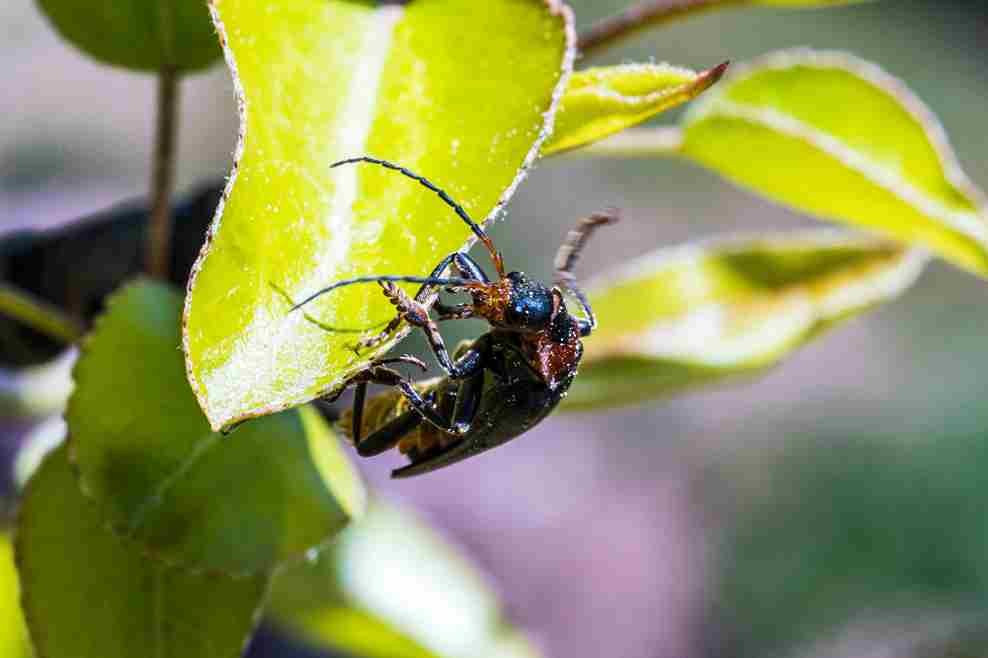
Did you know that kissing bugs—those stealthy, blood-sucking insects—have been reported in 29 U.S. states and are responsible for spreading Chagas disease? If you’re concerned about where kissing bugs live, how to identify their habitats, and what risks they pose, you’re not alone. Understanding kissing bug locations is crucial for anyone living in or traveling through the southern United States, Latin America, or other regions where these pests are found. This guide will help you recognize kissing bug distribution, spot their favorite hiding places, and take steps to protect your home and family.
In this comprehensive post, you’ll learn about global and U.S. kissing bug locations, their preferred habitats, species identification, health risks, and prevention strategies. Whether you’re a homeowner, traveler, or pest control professional, this resource will help you stay informed and safe. Here’s what you’ll find:
- Global distribution and kissing bug range
- U.S. hotspots and state-by-state prevalence
- Typical habitats indoors and outdoors
- Key species and how to identify them
- Health risks, including Chagas disease
- Prevention tips by region
- Frequently asked questions about kissing bug locations
Global Distribution of Kissing Bug Locations
Kissing Bug Locations in Latin America
Kissing bugs, also known as triatomine bugs, are native to the Americas and are especially prevalent in Latin America. Their range stretches from Mexico through Central America and deep into South America, reaching as far south as Argentina. These insects thrive in warm climates and are most commonly found in rural areas with substandard housing, where they can easily hide in cracks and crevices.
- Endemic hotspots: Brazil, Argentina, and Venezuela have some of the highest rates of kissing bug infestations and Chagas disease cases.
- Urban vs. rural spread: While traditionally associated with rural environments, kissing bugs are increasingly being reported in urban areas due to migration and changes in housing patterns.
- Other countries affected: Colombia, Bolivia, Peru, Ecuador, and Paraguay also report significant kissing bug populations.
Spread to North America
In recent decades, kissing bugs have expanded their range northward, with climate change and increased travel contributing to their spread. The southern United States now hosts several species of kissing bugs, and their presence is being monitored by health authorities due to the risk of Chagas disease transmission.
- CDC data: Reports confirm that kissing bugs are now established in the southern U.S., with occasional sightings as far north as Pennsylvania and Delaware.
- Migration factors: Warmer winters and increased movement of people and pets have helped kissing bugs expand their territory.
U.S. Kissing Bug Locations
Primary Hotspots by State
Kissing bug locations in the United States are concentrated in the southern and southwestern regions, where the climate is warm and suitable for their survival. Here’s a breakdown of the most affected states and the common species found in each:
| State | Common Species | Prevalence | Chagas Risk |
|---|---|---|---|
| Texas | T. gerstaeckeri, T. sanguisuga | High | 50% infected bugs |
| Arizona | T. rubida, T. protracta | High | Common bites |
| New Mexico | T. cruzi vectors | High | Desert homes at risk |
| California | Scattered findings | Medium | Coastal and inland areas |
| Florida | Introduced populations | Low | Pet-related transmission |
Texas
Texas is the epicenter for kissing bug locations in the U.S., with multiple species present and a high rate of Chagas-positive bugs. Rural and suburban homes, especially those near livestock or wildlife, are at greatest risk.
Arizona
Arizona’s dry climate and abundance of desert habitats make it a hotspot for kissing bugs, particularly T. rubida and T. protracta. Bites are commonly reported in both urban and rural settings.
New Mexico
New Mexico’s desert homes and proximity to wildlife habitats contribute to a high prevalence of kissing bugs, with several species acting as vectors for Chagas disease.
California
While not as heavily affected as Texas or Arizona, California has documented kissing bug locations, especially in coastal and inland areas with suitable habitats.
Florida
Florida has introduced populations of kissing bugs, often associated with pets and animal shelters. The risk of Chagas disease is lower, but vigilance is still important.
Northern and Eastern Sightings
Although rare, kissing bugs have been reported in northern and eastern states, likely due to travel or accidental transport.
- Midwest: Missouri and Nebraska have occasional sightings.
- Northeast: New Jersey, Pennsylvania, and West Virginia have documented rare cases, often involving travelers or imported goods.
Habitats and Hiding Spots
Outdoor Kissing Bug Locations
Kissing bugs prefer dry, sheltered outdoor environments where they can hide during the day and emerge at night to feed. Common outdoor habitats include:
- Rock and wood piles
- Tree bark and hollow logs
- Animal burrows and nests (especially rodents and birds)
- Doghouses, chicken coops, and other animal shelters
- Under porches, decks, and sheds
These locations provide the darkness and protection kissing bugs need to thrive.
Indoor Kissing Bug Locations
Kissing bugs can enter homes, especially in regions where they are common. Once inside, they seek out dark, hidden spaces close to sleeping humans or pets.
- Beds and mattresses (especially under sheets or in seams)
- Furniture, including couches and chairs
- Wall voids, cracks, and crevices
- Behind baseboards and under carpets
- Porches and enclosed patios
Species and Identification
Key Kissing Bug Species by Location
There are over a dozen species of kissing bugs in the United States, but a few are most commonly encountered:
- Triatoma sanguisuga (Eastern U.S., Texas): Recognizable by its dark body and orange-red stripes along the sides.
- Triatoma gerstaeckeri (Texas, Southwest): Large, dark brown bug with lighter markings.
- Triatoma rubida (Arizona, New Mexico): Reddish-brown with a cone-shaped head and distinctive banding.
- Triatoma protracta (California, Southwest): Smaller, with a pointed head and dark coloration.
Identification tips:
- Cone-shaped head and long, slender legs
- Red or orange stripes along the abdomen
- About 1 inch long as adults
- Nocturnal and attracted to lights at night
If you find a bug matching this description, avoid handling it with bare hands and contact local pest control or health authorities for identification.
Health Risks in These Locations
Kissing bugs are notorious for their role as vectors of Chagas disease, a potentially serious illness caused by the parasite Trypanosoma cruzi. Not all kissing bugs carry the parasite, but in some regions, up to 50% of bugs are infected.
- How transmission occurs: Kissing bugs bite humans, usually near the mouth or eyes, and defecate near the wound. Scratching or rubbing the bite can introduce the parasite into the body.
- Symptoms of Chagas disease: Early symptoms may include fever, fatigue, and swelling at the bite site. Chronic infection can lead to heart and digestive problems years later.
- Other risks: Allergic reactions to bites, especially in sensitive individuals.
Prevention tips:
- Use bed nets and window screens in endemic areas
- Seal cracks and gaps in walls, doors, and windows
- Keep pets indoors at night and inspect animal shelters regularly
Prevention by Location
Southwest and Southern States
- Seal all cracks and crevices in homes, especially near doors and windows.
- Remove wood, brush, and rock piles from around the house.
- Inspect and clean doghouses, chicken coops, and animal shelters frequently.
- Use outdoor lighting that does not attract insects.
Nationwide
- Regularly check bedding and furniture for signs of bugs.
- Install tight-fitting screens on windows and doors.
- Educate family members about kissing bug identification and risks.
FAQ Section
Where are kissing bug locations in the US?
Kissing bugs have been reported in 29 states, with the highest prevalence in the South and Southwest, especially Texas, Arizona, and New Mexico.
Are kissing bugs in California?
Yes, kissing bugs are found in California, particularly in coastal and inland areas with suitable habitats.
Is there a kissing bug locations map?
The CDC and university extension programs provide maps showing kissing bug distribution, with the highest concentrations in the southern U.S. and Latin America.
What should I do if I find a kissing bug?
Do not touch it with bare hands. Capture it in a container, take a photo, and contact local pest control or health authorities for identification and advice.
Can kissing bugs infest homes?
Yes, especially in areas with high outdoor populations. They may enter homes seeking food or shelter.
Key Takeaways
- Kissing bug locations span Latin America and the southern United States, with hotspots in Texas, Arizona, and New Mexico.
- These insects prefer dry, sheltered outdoor habitats but can enter homes, especially near animal shelters.
- Several species are common in the U.S., each with distinctive markings and behaviors.
- Kissing bugs are vectors for Chagas disease, making prevention and identification crucial.
- Sealing homes, removing outdoor debris, and regular inspections are key to reducing risk.
Conclusion
Understanding kissing bug locations is essential for protecting your home and health, especially if you live in or travel through affected regions. By learning where kissing bugs live, how to spot them, and what steps to take for prevention, you can reduce your risk of bites and disease transmission. Stay vigilant, educate your family, and use local resources to keep these dangerous pests at bay.