
Key Takeaways:
- Major grocery chains like Kroger, Shoppers Food, and The Fresh Market are closing dozens of stores in 2026, reflecting economic pressures and changing consumer habits.
- Closures are concentrated in states like California, Maryland, Virginia, Wisconsin, and more, with both urban and rural communities affected.
- Shoppers face higher prices, longer travel times, and job losses, but new store openings, online delivery, and community initiatives offer alternatives.
- This guide covers every major grocery chain closing locations you need to know.
Introduction: Why Are So Many Grocery Chains Closing Locations in 2026?
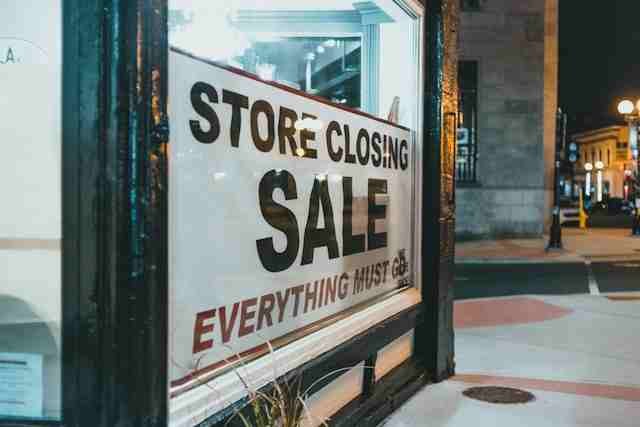
Have you noticed more “Store Closing” signs at your local supermarket? In 2026, Kroger announced it would close around 60 underperforming stores nationwide over the next 18 months, citing a dip in sales and a need to refocus after a failed merger with Albertsons . This news has sparked a surge in searches for “grocery chain closing locations,” as shoppers across the United States wonder which stores are affected, why it’s happening, and how it will impact their weekly routines.
This comprehensive guide explores the major grocery chains closing locations in 2026, the reasons behind these decisions, the communities and shoppers most affected, and practical strategies for finding alternatives. Whether you’re worried about your neighborhood store or just want to stay informed, this post covers every major grocery chain closing locations you need to know.
Major Chains Closing Stores in 2026
The wave of grocery chain closing locations in 2026 is led by some of the nation’s largest retailers. Here’s a quick look at the key players, the number of stores closing, and where the impact is greatest:
| Chain | Stores Closing | Timeline | Key States Affected |
|---|---|---|---|
| Kroger | ~60 | Next 18 months | CA, CO, GA, IL, IN, KY, MD, NC, TN, TX, VA, WV, WI |
| Shoppers Food | 4 | By Oct 2025 | MD (Essex, New Carrollton, Waldorf, Westminster) |
| The Fresh Market | 2 | 2026 | IL (Naperville), MA (Framingham) |
| Amazon Fresh | 4 | Oct 2025 | CA (Mission Viejo, La Habra, Whittier, La Verne) |
| Ahold Delhaize | 1 | 2025 | VA (Ashburn) |
- Kroger is closing about 5% of its 1,239 stores, but plans to open more new locations elsewhere, signaling a shift toward high-growth markets .
- Shoppers Food will close four Maryland locations by October 2025 as part of a strategy to “optimize our footprint” .
- The Fresh Market is closing two recently opened stores in Illinois and Massachusetts .
- Amazon Fresh closed four Southern California stores in late 2025 to focus on profitable locations .
- Ahold Delhaize is shutting down a long-standing Virginia location after 19 years of service .
Reasons Behind Closures
Economic Pressures: Shrinking Margins and Rising Costs
Grocery retail has always operated on razor-thin profit margins—typically just 1-3%. In 2026, inflation remains above 3%, driving up the cost of goods, labor, and utilities. Even a small dip in sales can make a store unprofitable. Kroger, for example, saw sales drop from $453 billion to $451 billion in 2025, prompting tough decisions about which stores to keep open .
- Tariffs and import costs have also risen, squeezing profits further.
- Labor and rent are more expensive, especially in urban and high-demand markets.
Underperformance and Strategic Shifts
Chains are closing underperforming stores to focus on high-growth areas. The failed Kroger-Albertsons merger, which was meant to create a stronger competitor to Walmart and Costco, left both companies vulnerable and accelerated closures.
- Market optimization: Chains are trimming overlapping stores, particularly in urban areas and lower-income neighborhoods where margins are thin and theft concerns have risen.
- Resource reallocation: More investment is going into e-commerce and profitable locations.
Shifts in Consumer Habits: The Rise of Online Grocery Shopping
Consumer behavior has changed dramatically since the pandemic. Over 60% of families with children now shop for groceries online, and even older shoppers are joining in. Physical store sales are nearly flat, while online grocery sales have grown by double digits.
- E-commerce competition: Amazon Fresh, Walmart+, and Instacart are taking a bigger share of the market.
- Local search: 50% of grocery-related searches are now local, as shoppers look for stores near them.
Other Contributing Factors
- High operational costs in weak markets.
- Post-pandemic supply chain issues and inventory challenges.
- Competition from discounters like Aldi, which are expanding aggressively.
Affected Locations and Timelines
The impact of grocery chain closing locations in 2026 is being felt coast to coast, but some states and cities are hit harder than others.
Kroger Closures
- At least 30 stores already closed by early 2026, including:
- 5 in Wisconsin
- 5 in Virginia
- Multiple in Illinois, Tennessee, West Virginia, and more
- Notable closures:
- 2908 State St, Gassaway, WV (Aug 22, 2025)
- 1904 Emmett Street, Charlottesville, VA (Aug 22, 2025)
- 466 South Cummings Street, Abingdon, VA (Sep 19, 2025)
- 1664 East Stone Drive, Kingsport, TN (Sep 19, 2025)
- Three Mariano’s stores in Chicago suburbs (Buffalo Grove, Glenview, Bloomingdale, IL)
- Automated fulfillment centers in WI, MD, and FL are also closing by January 2026 .
Shoppers Food
- Maryland: Essex, New Carrollton, Waldorf, and Westminster locations closing by October 2025 .
The Fresh Market
- Illinois: Naperville location closing less than a year after opening .
- Massachusetts: Framingham location closing less than a year after opening .
Amazon Fresh
- California: Mission Viejo, La Habra, Whittier, and La Verne stores closed in October 2025 .
Ahold Delhaize
- Virginia: Ashburn location at Shoppes at Ryan Park closed after 19 years .
Other Notable Closures
- In March 2025, a chain announced the closure of two stores in California and Virginia, with the Virginia branch closing immediately and the California one shutting at the end of April .
Tip:
To see if your neighborhood is affected, search “[your city] grocery chain closing locations 2026.” Many chains post closure lists and updates on their websites. Location-specific pages can also boost local search rankings.
Impact on Shoppers and Communities
The closure of grocery chain locations in 2026 is more than just an inconvenience—it’s a major shift with real consequences for millions of Americans.
Food Access and Food Deserts
- Over 50 million people live in low-income, low-access areas, according to the USDA.
- In rural communities, a single closure can mean a 10–20 mile drive to the next supermarket.
- Households without cars are especially vulnerable, often forced to rely on convenience stores with higher prices and fewer healthy options.
Grocery Prices and Competition
- Higher prices: With fewer competitors, surviving stores can raise prices. Staples like milk, cereal, and bread may cost 5–25% more at convenience stores.
- Inflation and supply chain issues: Ongoing disruptions mean prices are likely to stay high.
Job Losses and Economic Ripple Effects
- Thousands of jobs lost: Each closure means layoffs for grocery workers and reduced business for local suppliers.
- Community decline: Vacant properties, lower tax revenue, and fewer local services can follow a major store closure.
How Shoppers Are Adapting
- Traveling farther: Many shoppers now drive longer distances or pool trips with neighbors.
- Turning to online grocery: Delivery and pickup services are booming, but not everyone has access.
- Relying on alternatives: Farmers markets, mobile grocery units, and community food programs are filling some gaps.
Tips for Shoppers
- Use deal-finding apps like Flipp to save on groceries.
- Switch to expanding chains like Publix, Aldi, or local independents.
- Stock up on essentials before your local store closes.
- Explore online grocery delivery or pickup if available in your area.
What Comes Next? Opportunities and Solutions for Shoppers
While the wave of grocery chain closing locations in 2026 is challenging, it’s also creating new opportunities for shoppers and communities.
Expansion of Surviving Chains
- Aldi is opening hundreds of new stores nationwide by 2028, often in areas hit by closures.
- Publix and Whole Foods are expanding into new markets and experimenting with smaller, more accessible store formats.
- Kroger is increasing new store openings, focusing on high-growth regions .
Growth of Online Grocery and Delivery
- Walmart+, Amazon Fresh, Instacart, and Shipt are expanding delivery and pickup services, making it easier for shoppers to access groceries without a nearby store.
- Subscription services like Thrive Market and Misfits Market offer affordable pantry staples and fresh produce delivered to your door.
Community and Government Initiatives
- Mobile grocery units: Programs like Green Grocer and Go Fresh bring fresh food directly to underserved neighborhoods.
- Farmers markets and CSAs: More markets now accept SNAP/EBT and offer subsidized produce for low-income families.
- Food access grants: States and the USDA are funding new supermarkets, food co-ops, and mobile markets in food deserts.
How Shoppers Can Adapt
- Try new store formats and online options.
- Support local farmers markets and community food programs.
- Stay informed about new store openings and government resources in your area.
Key Finding:
Shoppers facing grocery chain closing locations in 2026 have more alternatives than ever, from expanding chains and online delivery to community-driven solutions.
Key Takeaways: What Every Shopper Should Know
- Grocery chain closing locations are a response to economic pressures, changing shopping habits, and increased competition—not a sign of industry collapse.
- Closures are concentrated in certain states and communities, with rural and low-income areas most at risk.
- Shoppers can adapt by exploring new stores, using online delivery, and participating in local food programs.
- Community and government initiatives are working to fill gaps and ensure access to healthy, affordable food.
Conclusion: Adapting to a New Grocery Landscape
Grocery chain closing locations in 2026 signal a major shift in how Americans shop for food. While the closures bring challenges—higher prices, longer travel, and job losses—they also reflect a retail industry adapting to new realities. For shoppers, the key is to stay informed, explore alternatives, and support local solutions. Share your local experiences in the comments below, and subscribe to our newsletter for the latest updates on grocery trends and closure alerts.
Newsletter Signup:
Stay ahead of the next wave of grocery chain closing locations—sign up for closure alerts and grocery news straight to your inbox!