

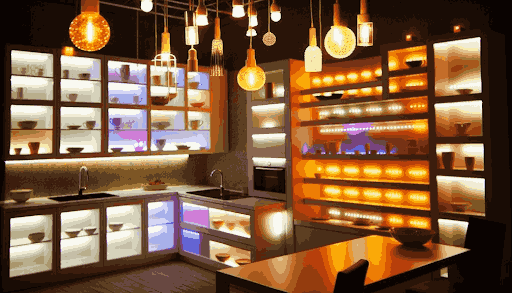
Remodeling a kitchen? One easily overlooks key lighting that dramatically affects function with style. Lots of homeowners skip layered lighting, a mistake that can make your space seem uninviting. Fixture size plus placement? Could cause some shadows, maybe even too much light. For a kitchen both beautiful and useful, consider avoiding some common mistakes; simple adjustments might transform your space. What specific changes might help you steer clear?
Ignoring Layered Lighting
Forget kitchen lighting layers and the area becomes rather bland perhaps even unwelcoming. Layered lighting goes beyond trends; it’s key for any space that’s both useful and inviting.
Consider it: ambient light brings a soft glow, task lights illuminate work, and accent lights showoff features. Consulting with kitchen remodeling experts can help you plan the perfect layered lighting setup tailored to your space and needs.
For basic light try ambient options: a stylish fixture maybe or recessed lights.
Then why not add task lighting above key spots like under-cabinet lights for counters or pendant lights above the island? This helps you chop, mix and create; no squinting into shadows needed, right?
Overlooking Natural Light
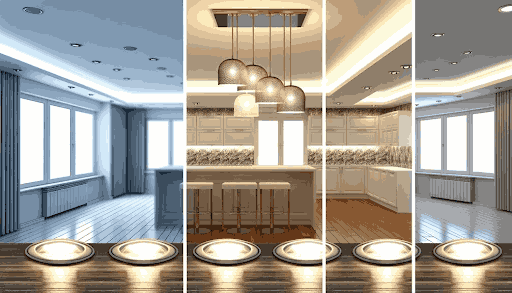
Natural light can make your kitchen vibrant, inviting, warm, maybe even alive. It’ll brighten things up in your cooking area so whipping up favorite meals? More enjoyable. Overlook natural light in a remodel and your kitchen’s mood and function might suffer.
Begin with a window evaluation. Do they let in much sunlight big enough? Failing that, bigger windows maybe plus a skylight, could help. Sure, more light like this can give it a brighter feel lessening how often you have to turn on artificial lights during the day.
For your windows maybe try some light shades; they’ll let sun in but keep neighbors out. Glossy backsplashes or light countertops? Either can help natural light brighten up your kitchen.
Plus consider design too. Open design helps sunlight move better; connecting the kitchen feels right.
Remember seasons when planning how sunlight shifts all year. Let’s say you add natural light sources when planning your kitchen; it might just turn out both pretty and super useful, even uplifting.
Choosing Inappropriate Fixture Size
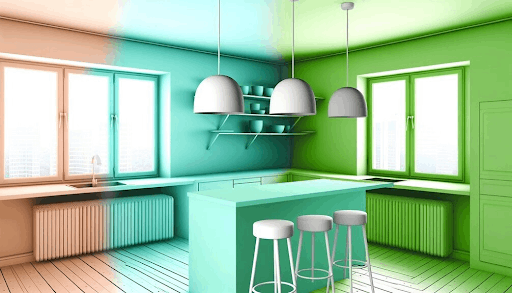
Homeowners often pick wrong-sized kitchen lights it seems. Fixture size? A big deal impacting how your space looks and works.
Choose fixtures too small and they might just vanish in a room failing to light it properly. Huge fixtures might feel overwhelming taking up too much space and making things seem cramped.
To avoid this mistake, consider the following:
Proportions Matter: Hey, just be sure kitchen fixtures look right for size, does that make sense? Consider big pendant lights above a sizable island, small sconces work great for cozy nooks.
Ceiling Height: Think about your ceiling height; it could be helpful. High ceilings? Big lights work well. Lower ones might need smaller designs for that open feel.
Functionality: Consider what each fixture is there for. For task lights make sure fixture size works providing direct light right where it’s needed most like over countertops or when cooking.
Poor Fixture Placement
Picking correct kitchen fixture sizes? That’s start only; placement matters too. Where lights go affects mood; bad spots? Shadows and a place nobody’s really drawn to. Like, hanging pendants too high? Might not get you enough light for cooking perhaps, whereas recessed lights too spread out? Kitchen corners go dark, see.
So to dodge potential problems maybe think ’bout your kitchen layout what tends to happen there. So you’ve got like a dedicated cooking zone? Put lights above to shine on the countertop you know. Try a balance between ambient light and accent light: Make sure each area’s lit well but not overly bright.
Make sure you consider ceiling height and how big your furniture is. Fixture height over dining areas matters; it needs enough space while giving a warm glow.
Neglecting Task Lighting
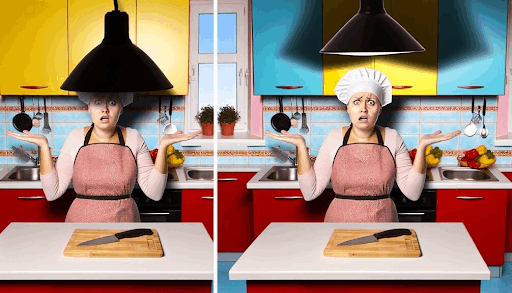
Do you often squint to read ingredients when you’re cooking so often? Kitchen lighting needs care, or frustration might become just normal.
Neglecting lighting I find makes cooking more chore than joy. Good lighting while you cook is really important so you can chop and mix sauté better.
Here are three key areas where task lighting can make a significant difference:
Countertops: For brighter prep space under cabinet lights might help. Focused light? It helps, right—seeing all details, from vegetable slices to spice measures.
Cooking Zones: For cooking areas think lights over stove and island. Fixtures boost kitchen visibility plus style–a nice touch.
Sink Area: Well-lit area helps with dishes plus food prep–important. Maybe a wall-mounted light, or even gooseneck faucet light could brighten this space people tend to forget.
Skipping Dimmer Switches
Kitchen lighting? Dimmers transform a space; many forget that. Picture dinner party people would engage with laughing friends enjoying ambiance thanks to lighting. It might be helpful. Dimmer switches? Perfect mood setting tools from bright cooking light to soft glowing chats.
If dimmer switches get installed you’d have some real kitchen mood control. Shift easily, bright task lighting when you prep meals becoming warm inviting glows for late-night snacks. It is true flexible kitchens use less power; dimming works.
Plus dimmers? Might extend life for your bulbs so you don’t replace them as often. Plus installation’s a breeze and styles? You’ve got options that should jive with your kitchen’s look.
For your remodel make sure you really don’t just skip over this one feature. Adding dimmer switches? Think ambiance with practical benefit.
Failing to Consider Color Temperature
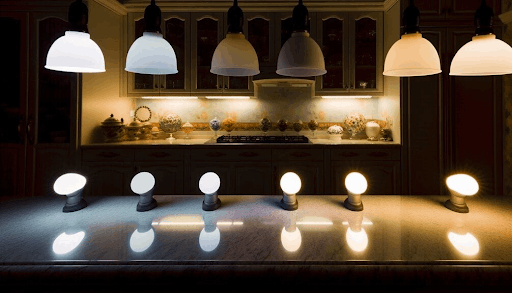
Kitchen lighting—it really matters for how well things work and look, though many folks don’t think much about bulb color when choosing.
Color temperature measured in Kelvin affects how warm or cool light seems, influencing food prep plus ambiance.
To avoid common pitfalls, consider these three key aspects:
Choose the Right Temperature: Pick a temperature, y’know, countertops work well about 4000K or 5000K maybe—sort of gives you daylight feel, easy peasy to see.
Create a Cohesive Look: For one cohesive feel use similar color temps room-wide okay? Warm and cool lights? A disjointed kitchen vibe, maybe uninviting.
Factor in Room Colors: Room colors matter; your walls could alter light perception. Cooler lights might work for darker shades warmer tones people would engage with lighter palettes.
Not Planning for Maintenance
Not planning for upkeep? Kitchen lights might frustrate instead of delight you.
Think about light bulbs blinking out or fixtures going dark right when you need them most. Without planning maintenance minor things turn into bigger problems pretty fast.
When picking lights, think about how easy bulb changes will be. For pendant lights hung high above your kitchen island, consulting professionals experienced in post construction lighting design can ensure your fixtures are both stylish and easy to maintain.
Opt for fixtures that allow for easy access or consider LED lights that last considerably longer and require less frequent replacements.
Also don’t forget cleaning, you always need to. Dust and grease? Light fixtures get that so their brightness dims.
Picking designs easy to wipe down could save you time and like a lot of effort; something to think about. Regular upkeep helps lights shine and makes them last too.
Disregarding Style and Aesthetics
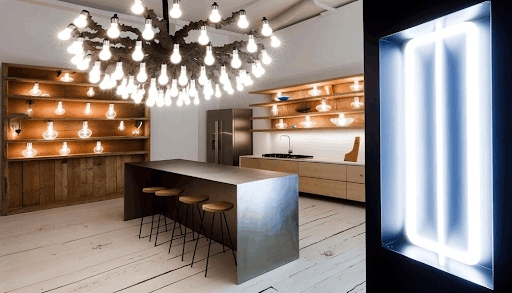
Don’t let bad kitchen lighting drag down your space’s charm, okay?
Lighting does more than illuminate, it can really define the kitchen’s feel so make sure it’s true to you. Ignore aspects at your own risk; atmosphere might not reflect who you are.
Here are three key points to reflect on when selecting kitchen lighting that harmonizes with your décor:
Match Your Style: For fixtures ensure your choice vibes with your kitchen, be it modern rustic or traditional. A sleek pendant elevates any modern room while vintage sconces just charm up that farmhouse kitchen.
Think about size: Your lighting fixtures should match what’s right for your kitchen. Big lamps? Might feel too much indoors; small ones? Likely vanish.
Layer for Depth: Try layering lights for a more dynamic atmosphere. Maybe mixing ambient tasks with accents might help. This thoughtful strategy delivers good light plus it shows off just what’s special in your kitchen.
Conclusion
Make sure you use good kitchen lighting; it’s key for function and true to your style. Ever hear how most folks regret kitchen lights after remodeling? Make sure layered lighting and fixture placement aren’t neglected, so you cook in a beautifully lit space. For vibrant kitchen appeal use natural light consider adding dimmers and pick fixtures true to you.