
A fresh coat of paint can make a home feel cleaner, brighter, and more personal. Yet many paint jobs start to look tired quickly for the same reasons: rushed prep, the wrong product for the surface, and painting in conditions the coating cannot handle. If you want a finish that stays even, washable, and beautiful for years, the plan matters as much as the colour.
When you are deciding whether to DIY or bring in help, it can be useful to understand what experienced crews prioritize. Noticing how Expert Residential Painters Near You approach prep, surface repairs, and product selection can help you spot the quality steps that are easy to skip.
Start with the room’s real demands, not just the colour
Colour gets attention, but durability comes from matching the paint system to how the room is used.
- High touch areas: hallways, stairwells, kids’ rooms, and entryways need finishes that resist scuffs and can be cleaned repeatedly.
- Moisture and cooking: bathrooms, laundry rooms, and kitchens often need coatings designed for humidity and frequent wipe downs.
- Strong natural light: bright rooms can reveal roller marks, lap lines, and uneven sheen more easily.
Before you pick a product, ask: “What will this wall go through every week?” That answer should guide sheen, washability, and whether you need a specialty primer.
Prep is where paint jobs are won or lost
Most of the work that makes a room look professionally painted is invisible when it is done right.
Clean first, then sand
Walls collect oils from hands, cooking residue, and airborne dust. Paint sticks to clean surfaces, not to grime. Use a mild cleaner suitable for painted walls, rinse if needed, and let everything dry fully.
After cleaning, a light sand does two things:
- It knocks down texture from old roller stipple and minor bumps.
- It gives the new coating a better mechanical bond.
Fix the surface, not just the paint
If you can see it before paint, you will see it after paint. Handle common issues early:
- Nail pops, dents, and small cracks
- Loose drywall tape or bubbling areas
- Glossy patches from old touch ups
Patch, let it cure, sand flush, then spot prime repairs. Skipping spot primer is a common cause of dull patches that flash under angled light.
Caulk with restraint
Caulking helps create crisp transitions where trim meets walls. Use paintable caulk, smooth it cleanly, and allow it to cure. Too much caulk can leave ridges that show after painting.
Primer is not optional when conditions call for it
Premium paint does not replace primer when you are dealing with a problem surface. Primer is a tool for adhesion and uniformity. Use it when you have:
- Stains from water, smoke, or tannins
- A dramatic colour change
- Bare patches of drywall compound or exposed wood
- Slick or glossy surfaces
The right primer prevents peeling, uneven sheen, and the “why does this spot look different?” problem.
Choose sheen like you choose flooring: based on lifestyle
Sheen affects durability, cleaning, and how much wall texture you can hide.
- Matte or flat: hides imperfections best and looks soft, but can be less forgiving in heavy traffic.
- Eggshell: a common sweet spot for living areas, with a gentle glow and improved wipeability.
- Satin: practical for busy family spaces, kitchens, and bathrooms when you want easier cleaning.
- Semi gloss: typically best for doors and trim where hardness and washability matter most.
If your walls have visible waviness or patchwork, a lower sheen can help. If you need frequent cleaning, go slightly higher.
A colour testing method that avoids expensive regret
Paint chips can mislead you because colour changes with lighting and surrounding finishes. Test in context:
- Pick two to three candidates.
- Paint large sample blocks on two different walls, including one that gets strong light.
- View them in morning, afternoon, and evening.
- Look at the samples next to flooring, cabinetry, and major furniture.
If you dislike a colour in one lighting condition, you will notice it forever.
Tools and technique matter more than most people think
Even with great paint, poor application can create streaks and uneven sheen. A few practical habits make a big difference:
- Use roller covers matched to wall texture. Shorter nap can look smoother on flat walls, while longer nap helps cover light texture.
- Maintain a wet edge. Overlapping drying paint is a common cause of lap marks.
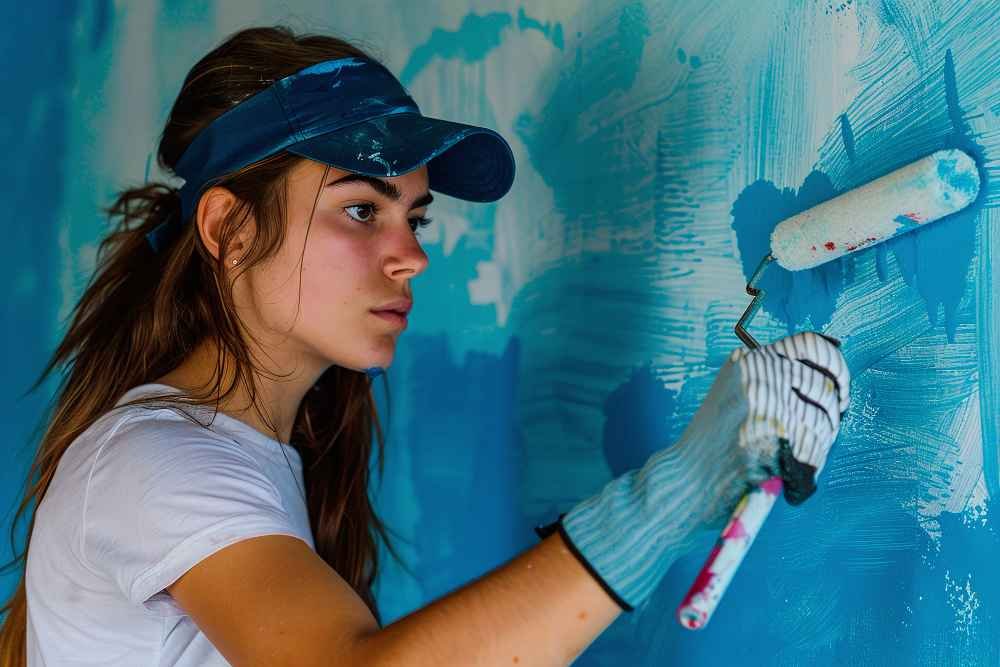
- Cut in with a loaded brush, then roll while the cut line is still workable so it blends.
- Use consistent pressure. Pressing harder in spots can thin the film and change sheen.
Also, respect dry time between coats. Paint can feel dry long before it is fully cured, so recoating too soon or scrubbing early can soften the finish and reduce durability.
Plan the whole room so it looks finished
A room looks cohesive when ceilings, walls, and trim are planned together.
- Ceilings: usually first, often a flatter finish to reduce glare.
- Walls: next, using the selected sheen and colour strategy.
- Trim and doors: last, often in a harder finish for washability.
If trim is yellowed or heavily marked, repainting walls alone can make the trim look worse by comparison.
Ventilation, comfort, and safety
Many homeowners now choose low odour, low VOC options where possible, especially for bedrooms and high use living areas. Good ventilation supports drying and comfort, but avoid strong cross breezes that blow dust into wet paint.
If you live in an older home, treat unknown coatings with respect. Lead based paint can be present in older finishes, and sanding or scraping can create hazardous dust. When in doubt, use safer methods, contain the area, and consider professional testing guidance.
A quick checklist before you open the first can
- Walls cleaned and fully dry
- Holes patched, sanded flush, and spot primed
- Caulk lines smooth and cured
- Primer used where needed
- Sheen chosen based on traffic and cleaning needs
- Samples tested in real lighting
- Quality roller covers and angled brush on hand
- Floors, outlets, and hardware protected
- Plan for ventilation and dust control
- Enough paint for two coats, plus a little extra for future touch ups
The payoff: a finish that stays crisp, not just fresh
Painting is one of the few home improvements where careful planning can make the result look significantly more expensive without adding much cost. Clean surfaces, thoughtful priming, the right sheen, and patient application create walls that feel smooth, colour that looks intentional, and trim lines that read as sharp from across the room.
Focus on the process and your paint refresh will look newly cared for long after the last coat dries.