

Introduction to Home Insemination
Did you know that approximately 1 in 8 couples face infertility challenges? For many seeking alternatives to expensive clinic procedures, home insemination offers a private, accessible, and cost-effective fertility option. Home insemination involves placing washed sperm near the cervix using a simple syringe or applicator kit, allowing couples and individuals to take control of their fertility journey from the comfort of their own homes. With success rates ranging from 15-35% per cycle and costs as low as $50-300 compared to over $1,000 for clinical IUI procedures, home insemination has become an increasingly popular choice for those seeking alternatives. This comprehensive guide explores everything you need to know about home insemination, including step-by-step instructions, success rates, available kits, and important safety considerations to help you make an informed decision about whether home insemination is right for you.
What Is Home Insemination?
Home insemination is a non-clinical form of artificial insemination that individuals and couples can perform independently. Unlike intrauterine insemination (IUI), which requires a doctor to place sperm directly into the uterus, home insemination typically involves placing washed sperm into the vagina or near the cervix using a simple applicator or syringe.
Types of Home Insemination
There are two primary types of home insemination. Intracervical insemination (ICI) places sperm near the cervix and is the most beginner-friendly option. Intravaginal insemination (IVI) places sperm deeper into the vagina. Both methods can be performed at home with minimal equipment and training.
Sperm Sources for Home Insemination
Home insemination can utilize sperm from a partner or from FDA-screened donor banks such as California Cryobank. Using screened donor sperm ensures safety and reduces the risk of transmitting infections or genetic conditions, making it a reliable option for those choosing home insemination.
Who Can Benefit from Home Insemination?
Home insemination offers benefits to various groups seeking fertility solutions. Understanding whether home insemination is appropriate for your situation helps determine if this method aligns with your needs.
Ideal Candidates for Home Insemination
Home insemination works best for individuals under 35 years old with open fallopian tubes and regular ovulation cycles. Those with healthy sperm counts and no significant fertility barriers are ideal candidates for home insemination success.
Groups Who Benefit Most from Home Insemination
| Group | Why Home Insemination? |
|---|---|
| LGBTQ+ Couples | Privacy with donor sperm selection |
| Single Women | Affordable path to parenthood |
| Couples with Intercourse Issues | Non-invasive alternative to clinical procedures |
| Those with Mild Infertility | Lower cost than IUI with comparable success |
Step-by-Step Home Insemination Guide
Successfully performing home insemination requires careful planning and precise execution. Following these steps increases the likelihood of success with your home insemination attempt.
Step 1: Track Your Ovulation
Begin by tracking your ovulation using ovulation predictor kits (OPK), basal body temperature (BBT), or fertility tracking apps. Accurate ovulation timing is crucial for home insemination success, as sperm must be present when the egg is released.
Step 2: Order Your Home Insemination Kit
Purchase a home insemination kit that includes a syringe, collection cup, and speculum. Quality kits designed specifically for home insemination ensure proper technique and increase success rates.
Step 3: Prepare the Sperm Sample
If using frozen donor sperm, thaw it in a 37°C water bath for approximately 30 minutes. Allow the sample to reach room temperature before proceeding with your home insemination procedure.
Step 4: Wash the Sperm (If Necessary)
Some home insemination protocols recommend washing sperm to remove seminal fluid. Follow your kit’s instructions carefully, as proper sperm preparation improves home insemination outcomes.
Step 5: Position Yourself Correctly
Lie on your back with a pillow under your hips to elevate the pelvis. This positioning is essential for successful home insemination, as it helps sperm travel toward the cervix.
Step 6: Insert the Syringe
Gently insert the syringe 2-4 inches into the vagina, positioning it near the cervix. Proper insertion technique is critical for effective home insemination.
Step 7: Inject the Sperm Slowly
Slowly depress the syringe plunger to inject the sperm sample. Taking your time during this step ensures proper placement for home insemination success.
Step 8: Rest and Elevate
Remain in position for 15-30 minutes after completing home insemination. Keeping your hips elevated helps sperm reach the cervix and increases fertilization chances.
Step 9: Maintain Hygiene Standards
Ensure all equipment used for home insemination is sterile and clean. Proper hygiene prevents infection and complications during the home insemination process.
Step 10: Wait and Monitor
After completing home insemination, wait approximately two weeks before taking a pregnancy test. Avoid intercourse for 48 hours before and after home insemination to maximize success.
Best Home Insemination Kits Available
Several quality home insemination kits are available on the market, each offering different features and price points. Choosing the right home insemination kit depends on your budget and preferences.
Top-Rated Home Insemination Kits
| Kit Name | Price | Key Features | Success Potential |
|---|---|---|---|
| Joey Kit | $129 | Pre-washed sperm option available | High |
| Mosie Baby | $129 | Easy-grip syringe design | Medium-High |
| Canary Conception Kit | $79 | Budget-friendly basic option | Medium |
| Basic Syringe Kit | $20 | DIY budget option | Medium |
Choosing the Right Home Insemination Kit
Consider your comfort level, budget, and specific needs when selecting a home insemination kit. Premium kits offer additional features and support, while basic options provide cost-effective solutions for those comfortable with DIY approaches to home insemination.
Success Rates and Factors Affecting Home Insemination
Understanding realistic success rates helps set appropriate expectations for your home insemination journey. Success with home insemination varies based on multiple factors.
Average Success Rates for Home Insemination
Home insemination typically achieves success rates of 15-37% per cycle, which is approximately six times higher than natural conception for some populations. These rates are comparable to clinical IUI for select groups, making home insemination a viable alternative.
Factors That Boost Home Insemination Success
Precise ovulation timing, high sperm quality, and multiple cycles (typically 3-6 attempts) significantly improve home insemination outcomes. Younger age, healthy weight, and absence of fertility barriers also enhance success rates for home insemination.
Factors That Lower Home Insemination Success
Age over 35, low sperm count, blocked fallopian tubes, and irregular ovulation reduce home insemination success rates. Understanding these factors helps determine if home insemination is appropriate for your situation or if alternative fertility treatments might be more suitable.
Safety, Risks, and Legal Considerations for Home Insemination
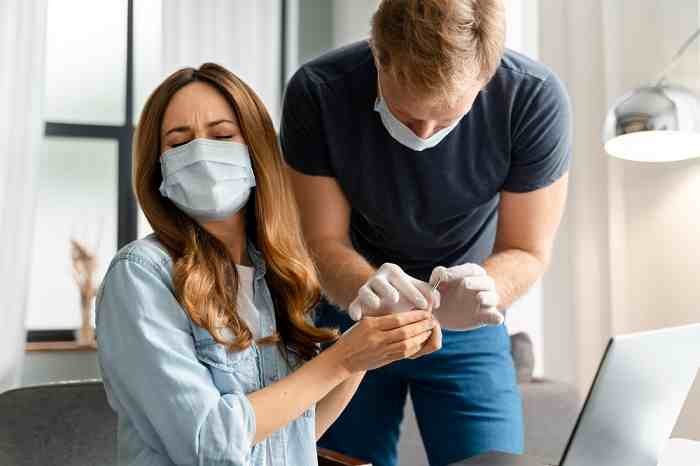
While home insemination is generally safe, understanding potential risks and legal implications ensures you approach this method responsibly.
Medical Safety of Home Insemination
Infection risk from home insemination is rare (less than 1%) when proper hygiene protocols are followed. Allergic reactions to sperm are uncommon but possible. Before attempting home insemination, undergo STI testing and consult with a fertility specialist to ensure you’re a suitable candidate.
When to Stop Home Insemination and Seek Medical Help
If home insemination fails after three to six cycles, consult a fertility specialist. Persistent failure may indicate underlying fertility issues requiring professional evaluation and treatment beyond home insemination.
Legal Considerations for Home Insemination
When using donor sperm for home insemination, ensure proper contracts are in place establishing parental rights and responsibilities. Verify that donor sperm has been properly quarantined and screened according to FDA guidelines before using it for home insemination.
Cost Breakdown for Home Insemination
Understanding the financial aspects of home insemination helps with budgeting and comparing costs to alternative fertility treatments.
Typical Costs Associated with Home Insemination
Home insemination kits range from $20-150, while donor sperm costs $200-800 per vial. Total per-cycle costs typically range from $50-300, making home insemination significantly more affordable than clinical IUI procedures costing over $1,000 per cycle. Multi-cycle attempts may require $150-1,800 total investment, still substantially less than clinic-based fertility treatments.
Frequently Asked Questions About Home Insemination
Is home insemination safe?
Yes, home insemination is generally safe when proper hygiene and sterile equipment are used. Infection rates are less than 1% with appropriate precautions.
How effective is home insemination?
Home insemination success rates range from 15-37% per cycle, comparable to clinical IUI for many populations.
How does home insemination compare to IUI?
Home insemination is less invasive, more private, and significantly cheaper than clinical IUI, though success rates are similar for appropriate candidates.
Can I use partner sperm for home insemination?
Yes, partner sperm can be used for home insemination, though some protocols recommend sperm washing for optimal results.
How many times should I attempt home insemination?
Most fertility specialists recommend attempting home insemination 3-6 times before seeking alternative treatments.
What is the best time for home insemination?
Home insemination should occur during your fertile window, ideally 12-24 hours before ovulation for maximum success.
Can home insemination cause complications?
Serious complications are rare with proper technique and hygiene. Minor discomfort or spotting may occur but typically resolves quickly.
Is home insemination legal?
Home insemination is legal in most jurisdictions, though regulations vary. Consult local laws and use FDA-screened donor sperm when applicable.
Conclusion: Taking Control of Your Fertility Journey
Home insemination empowers individuals and couples to take an active role in their fertility journey while maintaining privacy and controlling costs. By understanding the process, success rates, and safety considerations, you can make an informed decision about whether home insemination is the right choice for your situation. Whether you’re exploring home insemination as a first step or as an alternative to clinical procedures, this accessible method offers hope and opportunity. Consult with a fertility specialist to ensure home insemination is appropriate for your circumstances, and remember that success often requires patience and multiple attempts. Start your home insemination journey today with confidence, knowing you have the knowledge and resources to pursue this effective fertility option.