

The conversation about independence often focuses on personal attributes. Determination, resilience, capability. These qualities matter enormously, but they tell only part of the story. The other part, equally important yet frequently overlooked, is environmental. Your capacity for independence is shaped profoundly by whether your surroundings enable or obstruct it.
This environmental dimension of independence becomes starkly visible when examining housing. Two people with identical support needs can experience vastly different levels of autonomy based solely on where they live. One navigates constant barriers, requiring assistance for tasks they could manage independently in a different setting. The other moves through daily life with genuine self-determination, supported by an environment designed to enable rather than constrain.
The difference isn’t about individual capability. It’s about environmental design. And that difference points toward a crucial truth: independence isn’t just a personal quality. It’s an outcome shaped by the interaction between people and their surroundings.
The Architecture of Autonomy
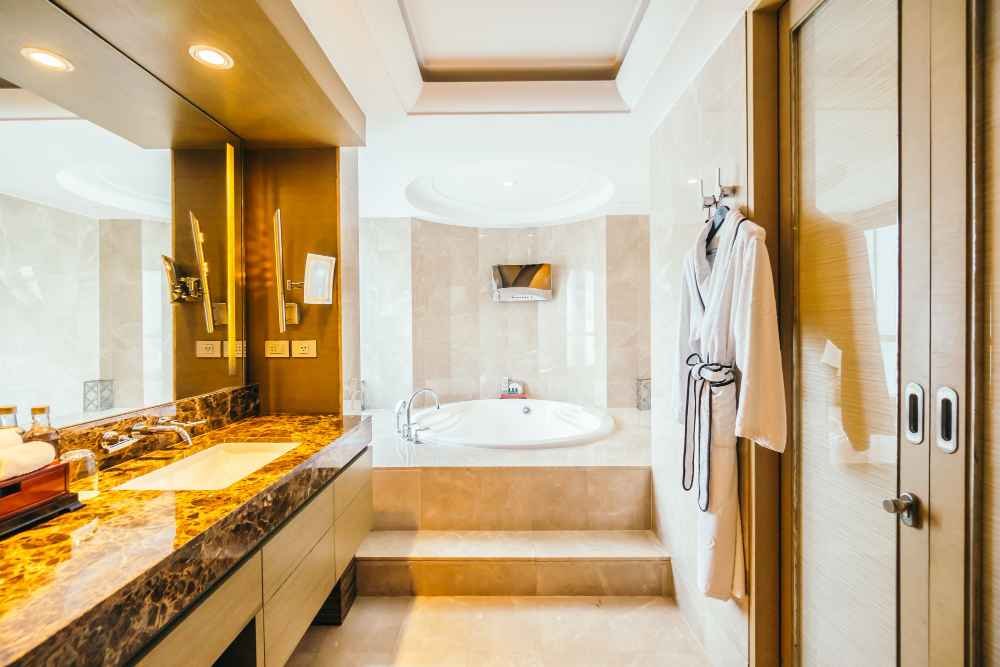
Physical space communicates possibilities. A kitchen where counters are all standard height tells someone using a wheelchair that meal preparation isn’t really for them. A bathroom where fixtures are positioned without consideration for varied mobility tells people they’ll need assistance for basic personal care. These aren’t neutral design choices. They’re decisions that actively shape what’s possible.
SDA housing represents a fundamentally different approach. Instead of designing spaces for an imagined standard user and then modifying for others, it starts from actual diverse needs. The result isn’t just more accessible spaces. It’s spaces where accessibility is woven into the fundamental design rather than added as an afterthought.
This shift in design philosophy creates something subtle but powerful: environments where independence is the default rather than an achievement requiring constant effort. Where you can focus on what you want to do rather than constantly problem-solving how to do basic tasks in spaces that weren’t designed for you.
Looking at Outcomes
The true test of housing designed for independence shows up in how people actually live. Are they pursuing education and employment? Maintaining meaningful relationships? Engaging with community? Managing daily routines according to their own preferences?
When housing works properly, these outcomes become far more achievable. Not because the housing directly causes them, but because it removes obstacles that would otherwise make them extraordinarily difficult.
The contrast with inappropriate housing is stark. Same person, same support needs, completely different daily reality based purely on environmental design. This isn’t hypothetical. It’s the lived experience of people who’ve transitioned from unsuitable to appropriate housing.
The Path Forward
The gap between current availability and actual need remains substantial. Many people with significant support needs still live in housing that fundamentally constrains their independence, not by choice but by lack of alternatives.
Addressing this gap requires sustained commitment to creating more housing that genuinely supports independence. Not just technical accessibility but thoughtful design that considers how people actually want to live.
The future of independence increasingly depends on recognizing that personal capability and environmental support aren’t separate issues. They’re deeply interconnected. Independence emerges from the interaction between individual strengths and environmental enablement.
Your home should expand your possibilities, not constrain them. It should support the life you want to build rather than dictating what’s possible. For too many people, that fundamental expectation remains unmet.
The future starts with acknowledging a simple truth: independence requires not just personal determination but environmental support. Where you live shapes what you can do. Getting housing right is getting independence right.