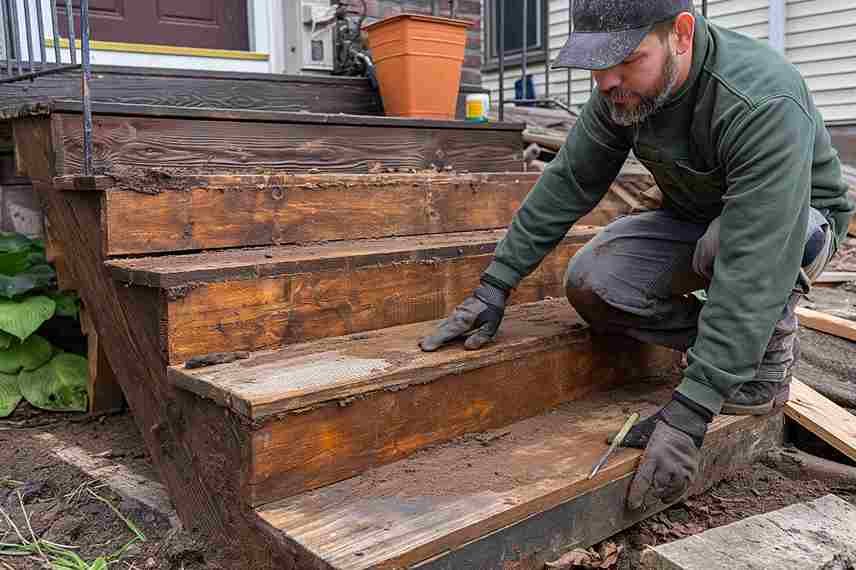

The construction worker you see framing your house at 7 AM might be teaching pottery classes by evening. The plumber installing your bathroom fixtures could be coaching youth soccer on weekends. The electrician wiring your new kitchen might spend Sunday mornings restoring vintage motorcycles. Behind every hardhat and tool belt lives a complete human being with passions, talents, and pursuits that have nothing to do with construction. These parallel lives don’t just make for interesting conversation. They fundamentally shape the quality of work happening on your project.
The Creative Outlet Phenomenon
Spend time talking with construction professionals during their lunch breaks and a pattern emerges. An overwhelming number maintain serious creative pursuits outside their trade work. Painters who create actual paintings. Carpenters who carve sculpture. Concrete finishers who throw pottery. Framers who build furniture for pleasure rather than profit.
This isn’t coincidental. Construction work demands precision, spatial reasoning, and an eye for proportion. These same skills translate beautifully to artistic pursuits. More importantly, the creative work provides balance. While construction follows building codes, engineering requirements, and client specifications, personal creative projects answer to no one. They offer freedom that professional building cannot.
This creative balance makes workers better at their primary trade. Someone who spends their weekends experimenting with unconventional joinery techniques in their home workshop brings that innovative thinking to your project. The tile setter who does mosaic art as a hobby sees pattern possibilities that others miss. The finish carpenter who builds custom guitars understands wood behavior at a level that purely vocational training cannot provide.
Physical Pursuits Beyond the Job Site
Construction work is physically demanding, which leads many to assume that workers spend their off hours recovering on the couch. The reality often contradicts this assumption. Many construction professionals maintain rigorous athletic pursuits that would exhaust people with desk jobs.
Rock climbing, cycling, martial arts, CrossFit, running, swimming, hiking, and competitive sports all show up frequently among construction workers. The physical confidence developed on job sites translates into willingness to push physical limits elsewhere. Someone comfortable working on scaffolding twenty feet up doesn’t fear a climbing wall. Someone who spends all day lifting materials has the strength base to excel at Olympic weightlifting.
These athletic pursuits create a positive cycle. The discipline required to train for a marathon carries over into work consistency. The body awareness developed through yoga improves balance and injury prevention on job sites. The mental toughness built through endurance sports helps workers push through challenging project phases. Your home benefits from builders who treat their bodies as instruments requiring maintenance and development rather than tools to be used until they break.
Why Their Other Lives Improve Your Project
Understanding that construction professionals maintain rich lives beyond their trade work should influence how you interact with your project team. These aren’t interchangeable laborers performing rote tasks. They’re multidimensional people who bring their full range of experience and capability to your home.
The framer who teaches yoga brings body awareness that prevents injuries and improves efficiency. The plumber who races bicycles brings competitive drive that pushes for excellence. The electrician who plays in a band brings creative problem solving when code requirements conflict with design intent. The tile setter who volunteers at the animal shelter brings patience and care to detailed work.
When you respect construction workers as complete human beings rather than just service providers, the relationship changes. Conversations become richer. Problem solving becomes collaborative. Quality improves because people care more about work when they feel valued beyond their immediate utility.
Next time you meet with your construction team, ask about their lives beyond building. You’ll discover photographers, athletes, musicians, teachers, coaches, artists, and community leaders. You’ll also discover that the best builders are people who bring their whole selves to their work, and your home becomes better for it.