
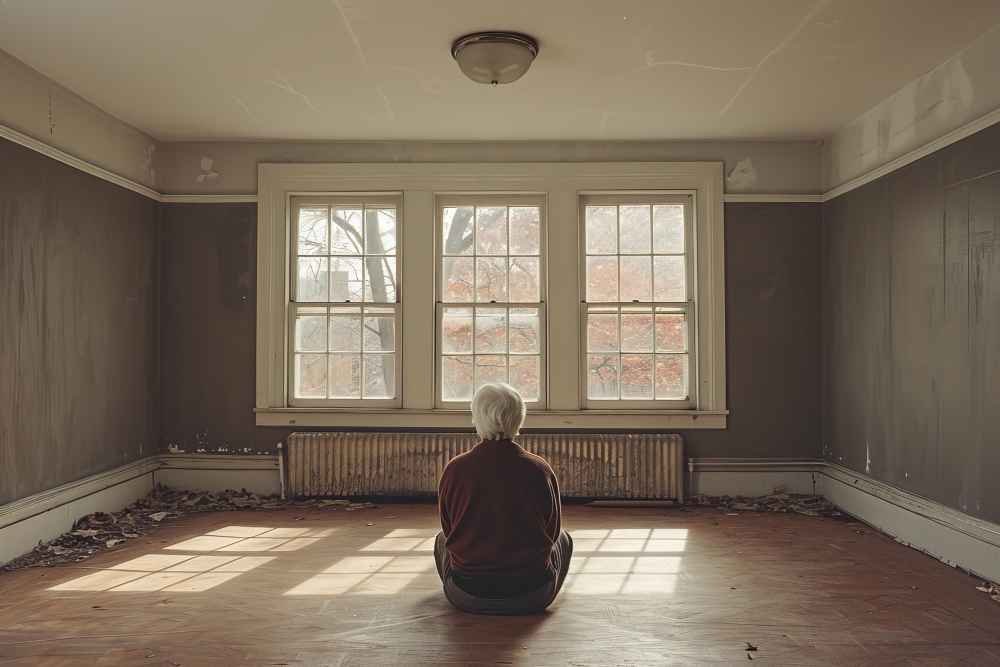
Do you ever feel like your home is just a series of rooms? Walk through your place. How does that living room relate to the dining room? How does that hallway not become dead space? Why does nothing feel like it really flows together?
Well, the good news is, you don’t have to tear down walls and hire contractors to create better flow in your home. Instead, it takes on some basic principles of design (which you either already possess or are easy to implement) to create the illusion of flow.
The Importance of Repetition
Your brain is wired for recognition. If things repeat in different places, your brain creates a connecting thread that unites them all. Thus, if you want to encourage flow, elements should repeat throughout the home.
This doesn’t mean everything has to be color matched (although color is an easy thing to implement) but there should be at least some common denominators.
For example, choose two or three colors that run through each room. Even if they come through accessories, it’s fine. For example, a navy-blue pillow in the living room could be some artwork in the hallway and then back to a bathroom towel. It creates a connection without being a matching nightmare.
The same goes with texture. If you have a jute rug in your living room, try to find woven baskets in the bedroom or a rope mirror in the bathroom. They won’t be the same, but they’ll speak the same language of design.
Rug Power (and Other Textiles)
This is where people miss the boat often. Rugs should not be limited to living rooms and bedrooms. What about connecting rooms? What about pathways? Especially in high-traffic areas, washable runner rugs are easily washable and great tools for defining spaces while remaining visually connected.
Consider it this way: if your runner in the hallway picks up colors from your living room, it provides a bridge. They don’t need to be the same patterns, but similar tones or complementary patterned elements help provide good visual flow between connected spaces.
The same thing goes for textiles. Throw pillows in the living room can be curtains in the bedroom and even lampshades throughout as long as they remain similar in composition and pattern/color.
Flowing With Light
Light is something we often think about on a room-by-room basis but it’s important for flow thinking as well. You don’t want overly bright kitchens, dim hallways and bright bedrooms with some other rooms being lit with different furniture.
This is what creates good flow: light should be relatively consistent throughout rooms with accent light to create interest for movement. This means that if there is a table lamp in the hallway that looks like the living room floor lamp, there’s a similarity.
If there are wall sconces, let them run from the entryway into the main living space to literally light the way for connection.
Temperature matters too; if some bulbs are cool white and others are warm white, your home will feel jarring and disconnected.
The Importance of Working With What You Have
Here’s where decorating becomes difficult; most people decorate room by room over time. They find awesome dining room chairs and then find something totally different for the coffee table three months later because at that moment, that’s what they wanted.
Soon enough, homes look like a showroom of different collections scattered throughout. However, if you set out to find pieces that work between rooms, you probably find that you don’t need to do away with everything new. All it takes is a little rearranging and editing.
For example, that wooden side table in your living room might look out of place there but would be perfect in the hallway. Books scattered throughout various rooms might work better all together in one space for now so at least they can visually work better.
Take stock of your place and see what’s possible before assuming all redos are necessary.
Highlighting Architectural Features
You can draw emphasis or de-emphasis on existing features without renovations, too! In paint and accessories, it’s easy to highlight architectural features that create better connections.
For example, paint all of your interior doors the same color and voila! More connection. If there’s trim work throughout your house, paint it all one color (no matter what colors decorate each room).
Crown molding/baseboards/door frames and other additional elements serve as bones to the house; when they connect better throughout, they allow for more liberty with other elements within rooms.
Creating Sightlines
If there’s an ability to see from one room to another, then they’re too close to be visually incompatible—this would call for them to have some sort of cohesive element, so they make sense together.
It could be as easy as putting on an artwork on one side that coordinates with something else you can see from another side.
Pay attention whenever you’re coming through doorways or walking through your house—if there’s something awkward or mismatched about how a piece or color looks through another door, then that’s where potential exists for improvement.
Make Small Changes for Massive Improvements
The best part about this is that when you take stock of your home and assess possible connections between rooms—even little changes—can help create big improvements without much effort!
All it takes is some intentionality. A few select accessories that are similar across different spaces plus better positioning of different pieces can do wonders without much cost or time commitment.
Start small—find one connecting element (let’s say plants; buy a few plants that are similar across rooms). Then find connecting elements with metals in light fixtures and hardware throughout your house. Then you’ll feel how one thread makes a difference and you’ll start seeing how your connecting rooms improve the more intentional you get about flow patterns.
It’s not about perfection or matching everything; instead, it’s about ensuring each room feels like part of the whole and there’s an expected path of movement between them rather than an awkward frustration with disjointed space patterns.