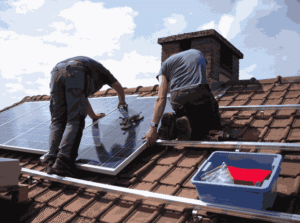


Have you ever wondered, do solar panels increase home value? With rising energy costs and growing demand for eco-friendly homes, solar panels have become a popular upgrade for homeowners. Recent studies show that homes with solar panels sell for 4-10% more on average, making them a smart investment for those looking to boost their property value. But how much value do they really add, and what factors influence the return on investment (ROI)?
In this guide, we’ll explore the latest data on how solar panels impact home value, the factors that affect ROI, and tips for maximizing your resale potential. Whether you’re considering installing solar panels or selling a home with an existing system, this article will provide the insights you need to make an informed decision.
Key Statistics: How Much Do Solar Panels Increase Home Value?
Solar panels are proven to increase home value, but the exact amount depends on several factors, including location, system ownership, and energy savings. Here’s a breakdown of key statistics:
| Study/Source | Value Increase | Notes/Details |
|---|---|---|
| SolarReviews 2025 | 6.9% average ($25K median) | Nationwide; owned systems only |
| EnergySage California Study | 5-10% (up to $79K) | Based on 5,000 homes; higher in sunny states |
| Zillow 2019 | 4.1% | Baseline; newer data shows higher increases |
| Lawrence Berkeley Lab | $5,911 per kW | Consistent across regions |
| NREL | $20 per $1 bill savings | Tied to energy cost reductions |
Trends in Solar Value
- Newer Systems Add More Value: Homes with solar systems less than five years old see a 7-9% increase in value, while older systems still yield a 5-6% boost.
- Incentives Expiring in 2026: Federal tax credits and state incentives are driving installations, but these benefits may phase out soon, making now the best time to invest.
How Solar Panels Boost Home Value
Energy Savings Appeal
One of the biggest draws for buyers is the promise of lower energy bills. On average, solar panels save homeowners $1,500 per year on electricity costs. This translates to significant savings over time, making homes with solar systems more attractive to potential buyers.
Eco-Friendly Demand
In 2026, over 80% of homebuyers prioritize green features, including solar panels. As sustainability becomes a key consideration, homes with renewable energy systems command premium prices.
Premium Pricing Through Appraisals
Appraisers use three main approaches to factor solar panels into home valuations:
- Cost Approach: Considers the installation cost of the system.
- Income Approach: Calculates value based on energy savings.
- Sales Comparison Approach: Compares homes with and without solar panels in the same area.
For example, a $500,000 home with solar panels could see a $35,000 increase in value, depending on the system size and energy savings.
Factors Affecting ROI of Solar Panels
Location
Homes in states with high electricity rates, such as California and New York, see the largest value increases. Sunny states like Arizona and Florida also benefit from higher premiums due to optimal solar energy production.
System Ownership
Owned solar systems add significantly more value than leased systems. Buyers are often hesitant to take over lease agreements, which can complicate the sale process.
Size, Age, and Condition
- Larger Systems: Homes with 10+ kW systems see higher value increases compared to smaller setups.
- Newer Systems: Panels less than five years old are more efficient and appealing to buyers.
- Well-Maintained Systems: Regular maintenance ensures maximum energy production and resale value.
Local Market Conditions
In competitive real estate markets, solar panels can give your home a unique selling point. In sunny states, homes with solar systems often sell faster and for higher prices.
| Factor | High Impact | Low Impact |
|---|---|---|
| Ownership | Fully owned | Leased |
| Age | <5 years | >10 years |
| Size | 10+ kW | <5 kW |
Potential Drawbacks of Solar Panels
While solar panels offer many benefits, it’s important to consider potential drawbacks:
- Property Tax Increases: Although 29 states offer exemptions, some homeowners may see higher property taxes due to increased home value.
- Aesthetic Concerns: While modern panels are sleeker, some buyers may still find them unattractive.
- Lease Complications: Leased systems can deter buyers who don’t want to take over the agreement.
- Roof Lifespan: Solar panels should ideally be installed on roofs with at least 10-15 years of remaining lifespan to avoid additional costs.
Real Estate and Appraisal Tips for Homes with Solar Panels
Disclose Solar Features in Listings
When selling a home with solar panels, make sure to highlight the system in your listing. Include details such as:
- System size and age
- Energy savings
- Ownership status
Get a Pre-Appraisal
A pre-appraisal can help verify the added value of your solar panels, giving you a competitive edge in the market.
Leverage Incentives
The 30% federal tax credit for solar installations is set to expire soon. Highlighting this benefit can encourage buyers to act quickly.
Steps to Maximize Resale Value
- Verify ownership documents for the solar system.
- Clean and maintain panels to ensure optimal performance.
- Highlight energy savings and environmental benefits in your MLS listing.
Case Studies: Real-Life Examples of Solar Value Increases
California: 10% Uplift on an $800K Home
A homeowner in Los Angeles installed a 10 kW solar system and saw their home value increase by $80,000. The system’s energy savings and eco-friendly appeal attracted multiple offers above the asking price.
Average U.S. Home: $25K Gain
In a nationwide study, homes with solar panels sold for an average of $25,000 more than comparable homes without solar systems. This increase was consistent across regions with moderate electricity rates.
Anonymous Homeowner Story
A homeowner in Texas reported selling their property for 8% more after installing solar panels. The system’s ability to offset high summer energy bills was a major selling point for buyers.
FAQs About Solar Panels and Home Value
Do Solar Panels Increase Home Value in 2026?
Yes, homes with solar panels see an average value increase of 6-10%, depending on factors like location, system size, and ownership.
Is It Better to Own or Lease Solar Panels?
Owned systems add significantly more value than leased systems. Leases can complicate the sale process and deter potential buyers.
How Much Can I Save with Solar Panels?
On average, solar panels save homeowners $1,500 per year on electricity costs, which contributes to their appeal and value.
Do Solar Panels Affect Property Taxes?
In most states, property tax exemptions apply to solar panels, but it’s important to check local regulations.
Conclusion: Do Solar Panels Increase Home Value?
The answer is a resounding yes. Solar panels increase home value by an average of 6-10%, making them a worthwhile investment for homeowners looking to save on energy costs and boost resale potential. Factors like location, system ownership, and maintenance play a significant role in determining ROI, but the benefits far outweigh the drawbacks.
If you’re considering solar panels for your home, now is the time to act. With federal incentives expiring soon and buyer demand for green homes at an all-time high, installing solar panels can provide both immediate savings and long-term value.
Calculate your ROI today—contact us for a free solar quote and take the first step toward a brighter, more sustainable future.