

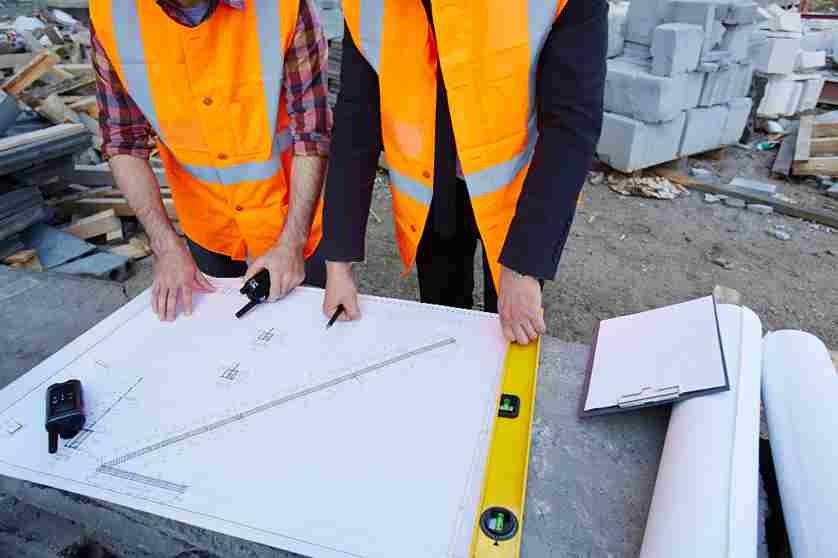
A successful construction project starts in the planning phase. Top general contractors know that thoughtful preparation dramatically influences outcomes, including staying on schedule, controlling costs, and managing risk. Before breaking ground, they conduct a series of critical steps that lay the foundation for smooth execution.
-
Defining Scope and Project Goals
Before any construction begins, top contractors work with owners and designers to clearly define the project’s scope, goals, and expectations. This involves articulating what the build is intended to achieve, the required features, and the desired level of quality. Clear scope definition prevents misunderstandings. By establishing expectations upfront, contractors help align key stakeholders on the same vision for the project’s outcome.
-
Site Evaluation and Feasibility
Evaluating the construction site is another crucial early task. Contractors assess things like soil conditions, accessibility, utility connections, zoning regulations, and environmental restrictions. A thorough site evaluation identifies potential barriers before they become costly surprises on the job site. It also ensures the project is both physically feasible and compliant with local rules, reducing the likelihood of legal or logistical delays.
-
Budgeting and Detailed Cost Estimation
Once the project scope and site conditions are understood, contractors develop a detailed budget and cost estimate. This goes well beyond a rough guess, it includes projected expenses for labor, materials, permits, equipment, and contingencies. Experienced general contractors often perform value engineering during this stage, identifying opportunities to reduce costs without sacrificing quality. Sound cost estimation early on helps owners make informed financial decisions and reduces the risk of budget overruns once construction begins.
-
Design Review and Coordination
Top contractors are deeply involved in reviewing architectural and engineering plans before construction starts. This isn’t just about checking for errors, it’s about ensuring plans are buildable, efficient, and coordinated. They analyze the drawings for technical issues, propose practical adjustments, and coordinate with architects and engineers to resolve conflicts before they hit the field. This helps avoid redesigns and rework.
-
Permitting and Regulatory Compliance
Securing the necessary permits and ensuring compliance with building codes is another pre-construction priority. Regulations vary widely by jurisdiction, and contractors know that permit delays can halt a project before it even starts. By planning early for approvals and inspections, they mitigate compliance risks and create a clear timeline for regulatory milestones.
-
Scheduling and Resource Planning
Before ground is broken, top contractors develop a detailed project schedule that outlines every major task and milestone. This includes determining the sequence of work, identifying critical path activities, and allocating resources such as labor, materials, and equipment. By using tools like critical path method (CPM) scheduling, project managers anticipate dependencies and optimize workflow throughout the build.
-
Risk Assessment and Mitigation
No construction project is without risk. Top contractors conduct thorough risk assessments to identify potential issues and plan mitigation strategies. This may include alternative suppliers, scheduling buffers, or safety protocols tailored to site-specific conditions. Early risk planning reduces the chance of costly disruptions once construction is underway.
-
Establishing Communication Protocols
Finally, successful general contractors set up clear communication and documentation protocols during pre-construction. This includes establishing how updates will be shared, who makes decisions, and how issues will be escalated. Effective communication frameworks reduce confusion and ensure that everyone stays aligned as the project progresses.
Putting Planning to Work
In the world of construction, planning is essential. Top general contractors use a structured pre-construction process to sharpen project clarity, anticipate challenges, control costs, and create a roadmap for efficient execution. By investing time and expertise before breaking ground, they help projects start strong and stay on course from day one.