

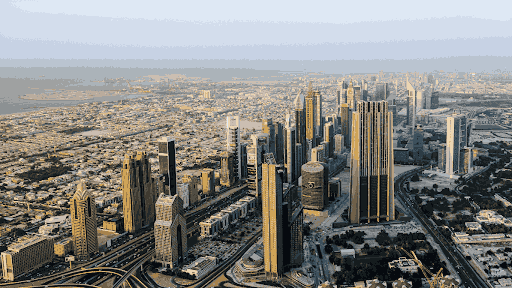
When global investors think of UAE real estate, Dubai often dominates the conversation. However, a quiet revolution is taking place just an hour down the road. Abu Dhabi, the capital of the United Arab Emirates, has transitioned from a stable, oil-reliant economy to a dynamic, lifestyle-driven investment destination. With double-digit price growth in key villa communities and a surge in high-net-worth migration, the capital is no longer just a place to work, it’s the new frontier for smart capital.
As we look toward 2025 and 2026, the data points to a market entering a sustained upswing. Unlike more volatile global markets currently grappling with saturation, Abu Dhabi offers a rare combination of competitive entry prices, rising rental yields, and robust government support. For investors seeking long-term value and stability, the capital’s villa market is emerging as a high-conviction play that can no longer be ignored.
The Unique Appeal of Abu Dhabi’s Villa Market
Abu Dhabi villa market is defined by a flight to quality. Post-pandemic shifts in living preferences have driven a surge in demand for space, privacy, and family-oriented communities. Unlike the dense vertical living often associated with major cities, Abu Dhabi’s master plan emphasizes low-to-mid-rise communities, beachfront luxury, and expansive green spaces.
Recent reports highlight a distinct trend: villa sales prices are rising at double-digit rates year-on-year, outpacing the apartment sector. This growth is centered around specific lifestyle hubs:
- Saadiyat Island: Known for its cultural district (Louvre Abu Dhabi, Guggenheim) and pristine beaches.
- Yas Island: The entertainment capital, home to F1, theme parks, and waterfront living.
- Al Raha Beach: A bridge between the city and the islands, offering premium waterfront villas.
These aren’t just housing developments; they are integrated ecosystems offering schools, retail, and leisure, which secures long-term tenant retention and capital appreciation.
3 Factors Driving the “Hotspot” Status in Abu Dhabi
Investment header on newspaper
Why is this happening now? The transformation of Abu Dhabi into a global investment hotspot is not accidental. It is the result of converging economic and structural forces that are creating a perfect storm for growth in 2025 and 2026.

Investment header on newspaper
1. Tight Supply Meets Rising Demand
One of the most critical indicators for any real estate investor is the supply-demand balance. Analysts project approximately 38,700 new residential units (across all types) will be delivered by 2028. In the context of the emirate’s population growth targets, this pipeline is modest. The scarcity of prime villa stock specifically means that demand is outstripping supply, putting upward pressure on both asset values and rental rates.
2. Strategic Policy and Visa Reforms
The UAE government has aggressively courted international talent and capital through policy shifts. The Golden Visa program, which offers long-term residency to property investors, has been a game-changer. It has transformed Abu Dhabi from a transient expatriate market into a “home” for global citizens. Furthermore, relaxed foreign ownership laws in designated investment zones allow expatriates to own freehold property, unlocking international liquidity.
3. Attractive Yields and Stability
While capital appreciation is the headline story, the income narrative is equally compelling. Villa yields in Abu Dhabi remain regionally competitive, often outperforming comparable global capitals.
- Gross Returns: Popular villa communities are showing gross returns in the mid-to-high single digits.
- Lower Volatility: Compared to neighboring markets that experience sharp boom-and-bust cycles, Abu Dhabi has historically offered a more stable growth trajectory, acting as a defensive asset in a diversified portfolio.
Where to Invest for Identifying the Right Sub-Market in Abu Dhabi
Not all villa investments are created equal. To maximize ROI, investors must align their capital with the specific dynamics of different neighborhoods. The market currently fragments into three distinct investment tiers:
The Affordable Value Play
- Locations: Al Reef, Shakhbout City.
- The Appeal: These areas offer the strongest immediate rental yields, often hovering around the mid-6% level.
- Target Tenant: Mid-income families and professionals seeking budget-friendly space. The persistent demand here ensures low vacancy rates.
The Mid-Market Family Hub
- Locations: Al Raha Gardens, Mohammed Bin Zayed City (MBZ City), Al Mushrif.
- The Appeal: These districts offer consistency. They are established communities with proven track records of rental growth.
- Target Tenant: Long-term expat families who prioritize proximity to schools and stability, providing investors with reliable, steady cash flow.
The Prime Lifestyle Asset
- Locations: Saadiyat Island, Yas Island.
- The Appeal: This is the capital appreciation play. These areas are destined for significant value growth due to their branding, scarcity, and infrastructure.
- Target Tenant: High-net-worth individuals (HNWIs) and C-suite executives willing to pay a premium for luxury and exclusivity.
What to Expect Abu Dhabi’s Villa Market in 2025–2026
The consensus among major consultancies is that Abu Dhabi is in a “catch-up” phase with significant runway remaining.
- 2025 Outlook: The market is expected to see mid-to-high single-digit annual gains. This is driven by the continued influx of expatriate wealth and the non-oil economy’s expansion (forecasted at 5-6% growth).
- 2026 Projections: As the market matures, price growth may stabilize into the low-to-mid single digits, but prime districts with limited supply will likely outperform these averages.
Essentially, the window of opportunity is open. Abu Dhabi is positioned as a relative value proposition compared to Dubai or London, implying that price convergence is likely to continue over the next 24 months.
Risks and Challenges to Consider in Abu Dhabi’s Villa Market
While the outlook is bullish, prudent investors must navigate potential headwinds to ensure a successful exit strategy.
- Future Supply Waves: While current stock is tight, a surge of new project launches slated for completion post-2026 could eventually temper rental growth. Investors should focus on communities with unique selling points (like beachfront access) that are hard to replicate.
- Financing Costs: Global interest rate fluctuations impact leveraged returns. Investors using mortgages need to stress-test their projected yields against potential rate hikes, though cash buyers remain insulated.
- Liquidity: While growing, Abu Dhabi’s market is smaller than Dubai’s. Exit timelines for very high-ticket, niche villas can be longer. Patience and realistic pricing strategies are required when it comes time to sell.
A Capital Opportunity for the Smart Investor in Abu Dhabi’s Villa Market

Growth Opportunity Street Sign
Abu Dhabi has successfully rebranded itself from a quiet administrative hub to a vibrant, global destination. For the investor looking to buy villas in Abu Dhabi in 2025 and 2026, the villa market offers a compelling narrative: the stability of a wealthy capital city, combined with the growth potential of an emerging lifestyle hotspot.
The fundamentals, rising non-oil GDP, pro-investment policies, and a structural undersupply of quality homes, are all pointing in the same direction. Whether you are seeking the high yields of Al Reef or the luxury appreciation of Saadiyat, the market is primed for performance.
Ready to capitalize on this growth?
- Focus on master-planned communities with established infrastructure.
- Compare the yield-versus-appreciation profiles of different districts.
- Seek on-the-ground advisory support to navigate developer reputations and financing options.
The “hotspot” status is not a fleeting trend; it is the new reality of Abu Dhabi real estate.