
When most people picture a home security camera, they think of a device mounted by the front door — a silent guardian keeping watch. But there’s much more strategy involved in choosing where those cameras go. Indoor and outdoor cameras each have unique roles, advantages, and limitations. Understanding the difference isn’t just about buying gadgets — it’s about building a cohesive, layered defense for your home.
With the right mix of both, homeowners can create a system that anticipates threats, adapts to weather, and even helps manage daily life. Let’s explore how each type of camera protects differently and how combining them delivers the best coverage.
Why You Can’t Just Pick One Type
Indoor and outdoor cameras serve different missions. Outdoor models are built for battle — they brave heat, rain, and the occasional rogue baseball. Indoor cameras, on the other hand, work in predictable environments, providing detailed insight into your household activity.
Mixing up their purpose can lead to early equipment failure or wasted money. For instance, using an indoor camera outside can void its warranty, while outdoor models placed inside might feel oversized and intrusive. Experts recommend pairing both types for maximum protection — perimeter coverage with outdoor cameras and situational awareness indoors.
Key Differences: What Makes an Outdoor Camera Tougher
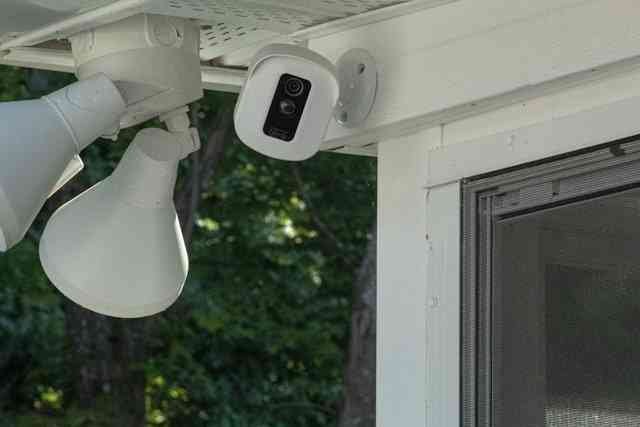
Outdoor cameras are built like digital soldiers. They’re designed to withstand extreme temperatures, humidity, and potential tampering. Durable housing materials, weatherproof seals, and wide dynamic range sensors allow them to keep recording no matter the forecast.
Here’s what sets them apart:
- Weather resistance: Look for IP66 or higher ratings for protection against water and dust.
- Anti-tamper design: Metal housings and hidden cabling reduce vandalism risks.
- Enhanced lighting: Outdoor models handle changing light, glare, and shadows.
- Wider field of view: Designed to monitor yards, driveways, and entryways.
Where Indoor Cameras Shine
Indoor cameras excel in comfort zones. They’re smaller, more discreet, and often feature two-way audio, motion tracking, or pet monitoring. Because they operate in controlled environments, they typically deliver sharper images at a lower cost.
Some of the best placements include living rooms, hallways, and nurseries — anywhere you’d want an eye on activity. A well-placed camera can double as a smart home device, letting you check in on family or even trigger lights automatically when motion is detected.
How to Decide: Use Cases and Best Practices
The best security setups combine both indoor and outdoor perspectives — one protects from the outside in, the other from the inside out. Here’s a guide to help you decide where each belongs:
- Entry and exit points: Always use outdoor cameras on doors, garages, and driveways.
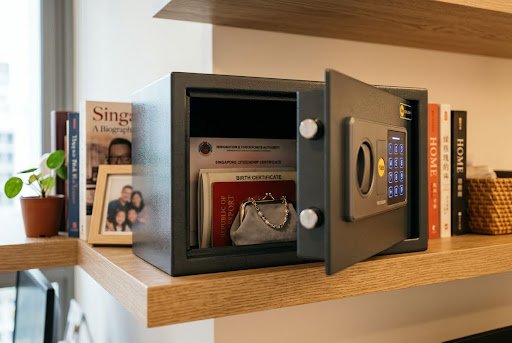
- Valuables: Keep indoor cameras focused on safes, jewelry, or electronics.
- Corridors and blind spots: Interior cameras catch what outdoor ones might miss.
- Outdoor storage or sheds: Weatherproof cameras are essential for detached structures.
Overcoming Challenges With Each Type
Even the best technology needs thoughtful planning. Outdoor cameras must fight the elements; indoor cameras must balance visibility and privacy.
Outdoor camera challenges:
- Exposure to heat, rain, and high winds — choose weatherproof models with sealed wiring.
- Glare from direct sunlight — use adjustable mounts and shaded placements.
- Tampering or vandalism — install high enough or use protective housings.
Indoor camera challenges:
- Privacy concerns — avoid sensitive areas like bedrooms or bathrooms.
- Poor lighting — select models with low-light or HDR capabilities.
- Weak Wi-Fi — consider wired or hybrid connections to prevent dropouts.
Indoor AI cameras are increasingly focusing on privacy by design — allowing selective recording or geofencing when family members are home.
Cost, Maintenance, and Longevity
Outdoor cameras generally cost more upfront due to their rugged build, but they save money long term by surviving tough conditions. Indoor cameras, while cheaper, often need replacements sooner if placed in hot or humid spots.
Hybrid systems — mixing indoor and outdoor models — strike the best balance between cost and reliability. For ongoing performance, clean camera lenses regularly, check firmware updates, and inspect mounts for corrosion. Perform recommended seasonal checks for all electronic safety devices, just like smoke detectors.
Building the Perfect Hybrid System
The smartest approach isn’t choosing between indoor and outdoor cameras — it’s using both together strategically. A professional installer can design zones of overlapping coverage, ensuring no blind spots between your yard and your living room.
Providers like Allied Home Security take a local-first approach, accounting for weather patterns, lighting, and architecture unique to Texas homes. Their systems integrate indoor and outdoor feeds into a single dashboard, giving homeowners total control from one interface. Think of it as a living security network — one that watches over your home seamlessly inside and out.
Conclusion
Indoor and outdoor security cameras aren’t rivals — they’re teammates. Outdoor units serve as the first line of defense, deterring threats before they reach your door, while indoor cameras ensure nothing slips past once inside. When combined, they provide visibility, accountability, and peace of mind.
So, don’t just buy a camera — build a strategy. Mix technology, placement, and professional guidance to create a system that fits your life. With the right blend of both, your home isn’t just monitored — it’s truly protected.