

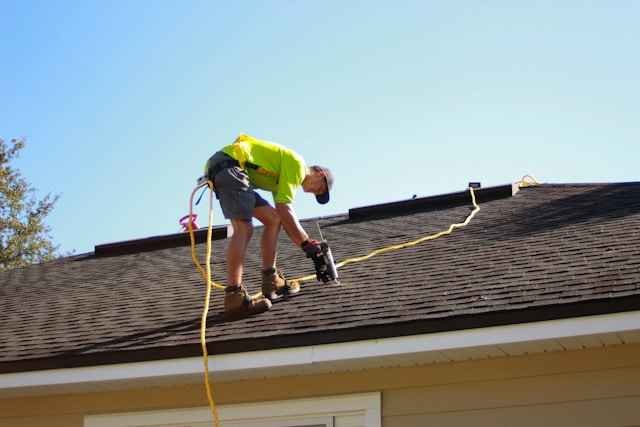
Major home renovations often involve more than just design plans, new materials, and a team of contractors. Behind the scenes, some of the most crucial work comes from safe rigging practices—the controlled lifting, securing, and moving of large or heavy components that are essential to modern home upgrades. Whether it’s lifting beams, installing oversized windows, or hoisting materials safely to upper floors, rigging keeps the project running smoothly while safeguarding your home and everyone inside.
Below is a more detailed breakdown, including additional references to the tools, hardware, and lifting techniques commonly used in home renovation projects.
Rigging Facilitates Safe and Efficient Heavy Material Handling
Many renovation materials can’t be handled manually—especially stone countertops, engineered beams, tile crates, hardwood bundles, and large appliances. Rigging allows crews to lift these loads safely and precisely using the appropriate slings, shackles, hoists, web straps, and lifting beams.
Contractors frequently use chain hoists, lever hoists, spreader bars, and dollies with tie-downs to move materials in tight spaces without causing damage. When materials need to be lifted from driveways or garages into a home, portable gantry cranes or tripod hoists help evenly distribute the load, protecting floors, thresholds, and entryways. By using purpose-built rigging equipment instead of makeshift lifting methods, crews work more efficiently, reduce the risk of injuries, and place materials precisely where needed without unnecessary hazards.
It Protects Your Home From Expensive Damage
Improper or rushed lifting is a common cause of accidental damage during large home projects. Using proper rigging significantly reduces this risk. When workers use soft slings, padded straps, corner protectors, and controlled lowering devices, they can move heavy items without scratching floors, denting walls, or cracking delicate materials.
For example, furniture skates and rigging rollers can reposition oversized furniture without leaving gouges behind. Load-control devices help prevent sudden swinging that could hit cabinets or door frames. Even something as simple as using rated shackles and hooks instead of makeshift chains keeps loads secure during movement. Good rigging ensures the only thing changing in your home is the renovation—not your flooring, drywall, or trim.
Essential for Installing Large Windows, Doors, and Glass Panels
Today’s home designs feature oversized windows and multi-panel sliding glass doors that can weigh hundreds of pounds and are very fragile. Proper rigging techniques are crucial for safely installing these high-value components.
Installers often use glass lifting cups, adjustable spreader bars, nylon slings, suction lifters, and stabilizing tag lines to position units accurately without twisting frames or stressing the glass. When the opening is above ground level, rope-block systems or portable cranes provide the smooth, slow lift needed to keep everything level.
Once lifted, rigging tools like come-alongs and alignment straps enable precise, inch-by-inch adjustments to ensure the window is plumb and true. Without this level of control, installing large glazing systems would be much more difficult and risky.
Supports structural upgrades such as beams and roofing work.
Structural renovations are among the heaviest and complex tasks in any remodel. When crews need to install laminated beams, raise new roof sections, or replace major framing elements, rigging becomes a crucial part of the operation.
To lift beams safely into place, contractors may rely on spreader bars, wire rope, chain slings, lifting clamps, adjustable choists, or beam lifters that keep loads balanced and stable. When handling roof materials like trusses or sheathing on multi-story homes, workers often use winches, pulley systems, and mechanical advantage setups to move items without excessive strain.
Rigging also allows temporary support of structures with load-rated straps, braces, and stabilizing hardware, ensuring the home remains safe during the removal of old materials and the installation of new ones.
Makes Tight Spaces and Multi-Story Renovations Easier
Many homes have narrow hallways, tight stairwells, limited outdoor access, or confined basements, making it difficult to move large items. Rigging offers the flexibility to work around these constraints.
Crews can use rope-and-pulley systems, compact chain hoists, and mini gantry cranes to lift items through upper-story windows or balconies when the staircase is too narrow. Low-profile dollies, toe jacks, lifting straps, and mechanical rollers help maneuver bulky objects through tight interior spaces without damaging flooring or trim.
For homes with limited yard space, portable cranes or jib cranes can be placed precisely where needed without disturbing landscaping or needing large equipment.
Rigging enables contractors to move materials efficiently—not forcefully—minimizing disruption and safeguarding the home’s layout.
Reduces the Risk of Worker Injury
Home renovation crews perform heavy lifting every day. Rigging significantly reduces strain by allowing equipment to bear the weight instead of muscles and joints. When workers use proper slings, chain hoists, winches, tie-offs, and secure load hardware, they are less likely to experience back injuries, crushed fingers, or dangerous load shifts.
Many crews also use tag lines to control swing, rated harnesses for elevated work, and static lines to ensure safe positioning when lifting materials overhead. Safer workers lead to a safer project overall—and fewer delays caused by accidents.
Improves Project Speed and Efficiency
Safe rigging tools not only protect workers and your home but also accelerate the entire renovation process. Using well-chosen equipment, such as load-leveling devices, adjustable lifting beams, material hoists, and proper slings, enables crews to move heavy components more quickly and with greater accuracy.
Loads that might require several worker-hours to move manually can be transported in minutes with the proper rigging setup. This enhances efficiency, cuts downtime, reduces scheduling delays, and helps ensure each stage of the renovation proceeds smoothly. The accuracy of rigging equipment also means that items like cabinets, beams, or appliances can be positioned perfectly on the first attempt—saving rework and unnecessary adjustments.
Why Homeowners Should Appreciate Rigging
Most homeowners never see the full technical skill behind professional rigging, but its impact is clear during a well-executed renovation. Rigging:
- Protects your home from unintended damage
- Ensures safe installation of delicate or oversized materials
- Helps workers remain safe, productive, and efficient
- Supports modern home designs with large windows, beams, and modular elements.
When a renovation team uses the proper rigging tools—such as slings, hoists, clamps, pulleys, cranes, beams, and load-control equipment—you gain a smoother process and a higher-quality outcome.