

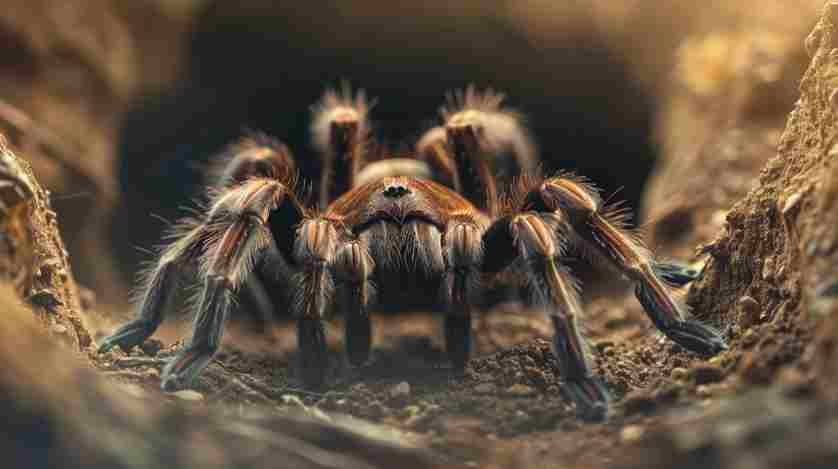
Every year, thousands of Americans encounter spiders in their homes, garages, and backyards—but few inspire as much concern as the brown recluse. With venom potent enough to cause serious medical issues, understanding brown recluse locations is crucial for anyone living in or traveling through their range. Did you know that most brown recluse bites occur in just a handful of central and southern states, and that these spiders are rarely found outside their preferred habitats? This comprehensive guide explores where brown recluses live, how to identify their favorite hiding spots, and what you can do to keep your home safe. Whether you’re a homeowner, renter, or simply curious about spider habitats in the US, read on to discover everything you need to know about brown recluse locations and prevention.
Geographic Range of Brown Recluse Locations
The brown recluse spider (Loxosceles reclusa) is native to the central and southern United States, with its highest concentrations in a distinct region often called the “recluse belt.” Understanding the brown recluse range is the first step in assessing your risk and knowing where to be vigilant.
Where Brown Recluses Live: The Core Range
Brown recluse locations stretch from southeastern Nebraska and southern Iowa, east to southern Ohio, and south through Texas, Louisiana, Alabama, Georgia, and northern Florida. The densest populations are found in:
- Missouri: Homes, garages, and sheds are common habitats, especially in rural and suburban areas.
- Oklahoma: Woodpiles and barns in both urban and rural settings.
- Kansas and Arkansas: High densities in undisturbed outdoor and indoor spaces.
- Texas: Under rocks, logs, and bark in the wild; garages and storage areas indoors.
- Southern Illinois, Kentucky, Tennessee, and northern Alabama: Frequent sightings in homes and outbuildings.
- Georgia and Louisiana: Less common but still present, especially in dry, undisturbed areas.
Map of Brown Recluse Locations in the US
Brown Recluse Expansion and Outlier Sightings
While the core brown recluse locations are well-documented, these spiders occasionally appear outside their typical range. This usually happens when they hitch a ride in furniture, boxes, or other transported goods. For example, a brown recluse might be found in Florida or the Carolinas, but these are often isolated incidents rather than evidence of established populations.
| State/Region | Prevalence | Common Intro Points |
|---|---|---|
| Missouri | High | Homes, garages |
| Oklahoma | High | Woodpiles |
| Texas | Moderate | Rocks, bark |
| Florida | Low | Imported via goods |
How Brown Recluse Locations Expand
Brown recluses are not aggressive travelers, but human activity can inadvertently spread them. Moving firewood, old furniture, or boxes from infested areas can introduce these spiders to new locations. However, they rarely establish lasting populations outside their preferred climate and habitat.
Natural Habitats: Where Brown Recluses Thrive Outdoors
In the wild, brown recluse spiders seek out dry, sheltered environments that mimic their natural preferences. Their habitat is defined by warmth, seclusion, and access to prey.
Outdoor Brown Recluse Habitats
- Caves and Rock Fissures: Natural crevices provide the darkness and protection these spiders crave.
- Log and Woodpiles: Stacks of firewood or fallen logs in rural fields are classic brown recluse locations.
- Leaf Litter and Brush Edges: Undisturbed piles of leaves or brush offer both cover and hunting grounds.
- Under Bark and Stones: The underside of loose bark or rocks is a favorite hiding spot, especially in the Midwest and South.
Image Alt Text: Brown recluse under woodpile habitat [image placeholder]
Why These Habitats Attract Brown Recluses
These environments offer warmth, protection from predators, and a steady supply of insects. Brown recluses build irregular, sticky webs in these spots—not for catching prey, but as retreats where they can hide during the day and emerge at night to hunt.
Indoor Hotspots: Brown Recluse Locations Inside Homes
While brown recluses are well-adapted to outdoor life, they are notorious for moving indoors—especially when seeking shelter from extreme weather or searching for food. Understanding brown recluse locations indoors is key to prevention and safe removal.
Common Indoor Brown Recluse Locations
- Closets and Basements: Dark corners filled with stored items, especially cardboard boxes, are prime real estate for brown recluses.
- Garages and Sheds: Tires, tools, and unused furniture provide undisturbed hiding places.
- Attics and Crawlspaces: Insulation gaps, debris, and infrequently accessed spaces are attractive to these spiders.
- Bedrooms: In rare cases of infestation, brown recluses may hide under beds, in linens, or behind furniture.
Why These Spots Are Attractive
Brown recluses are drawn to areas that mimic their natural habitat—dry, dark, and undisturbed. Cardboard boxes are especially appealing because the texture and structure resemble tree bark, their preferred outdoor shelter.
| Indoor Location | Why Attractive | Risk Level |
|---|---|---|
| Cardboard Boxes | Mimics bark | High |
| Wall Voids | Secluded | Medium |
| Shoes/Clothing | Rarely checked | High |
Signs of Brown Recluse Infestation
- Irregular, sticky webs in corners or behind objects
- Shed skins or egg sacs in hidden areas
- Actual sightings, especially at night
How Brown Recluses Enter Homes
Infestations often begin when spiders migrate from outdoor woodpiles or brush near the foundation. Gaps in doors, windows, or siding provide easy entry. Once inside, they seek out the quietest, least-disturbed spots.
Misidentification Risks: Not Every Spider Is a Brown Recluse
Many people worry about brown recluse bites, but true encounters are less common than believed. Outside the core brown recluse locations, most “recluse” sightings are actually harmless lookalikes.
Common Brown Recluse Lookalikes
- Wolf Spiders: Larger, faster, and often mistaken for recluses due to their brown color.
- Cellar Spiders (Daddy Longlegs): Thin-legged and harmless.
- House Spiders: Common in homes but not dangerous.
How to Identify a True Brown Recluse
- Violin-Shaped Mark: A dark, violin-shaped marking on the back, with the neck pointing toward the abdomen.
- Six Eyes: Unlike most spiders, brown recluses have six eyes arranged in pairs.
- Uniform Color: Legs and body are uniformly light to medium brown, without stripes or bands.
Imported Sightings and False Alarms
Brown recluses can be accidentally transported to non-native states, but they rarely establish populations. Most bites outside the recluse range are caused by other insects or spiders.
Prevention Strategies for Brown Recluse Locations
Preventing brown recluse infestations starts with understanding their preferred habitats and taking proactive steps to make your home less inviting.
Actionable Prevention Steps
- Vacuum Hidden Areas Weekly: Focus on closets, under beds, behind furniture, and in storage spaces.
- Store Items in Sealed Plastic: Replace cardboard boxes with plastic bins to eliminate attractive hiding spots.
- Trim Brush Near Foundations: Keep shrubs, woodpiles, and debris away from your home’s exterior.
- Seal Cracks and Gaps: Use caulk or weatherstripping to close entry points around doors, windows, and siding.
- Inspect Woodpiles Before Bringing Indoors: Shake out firewood and outdoor gear before moving them inside.
- Use Sticky Traps: Place traps in suspected hotspots to monitor and reduce spider populations.
- Professional Inspection: In high-risk states, consider annual pest control inspections for peace of mind.
What to Do If You Find a Brown Recluse
- Don’t Crush: Use a jar and stiff paper to gently trap and remove the spider.
- Wear Gloves: When cleaning or moving stored items, wear gloves to reduce the risk of bites.
- Consult Professionals: For large infestations, call a licensed pest control expert.
Reducing Outdoor Risks
- Stack firewood away from the house and off the ground.
- Remove leaf litter and brush piles regularly.
- Keep outdoor lights off at night to avoid attracting insects (spider prey).
Key Takeaways: Brown Recluse Locations and Safety
- Brown recluse locations are concentrated in the central and southern US, especially Missouri, Oklahoma, Kansas, Arkansas, and Texas.
- Outdoors, they prefer dry, sheltered spots like woodpiles, rocks, and leaf litter.
- Indoors, they hide in closets, basements, attics, and storage areas—especially in cardboard boxes and seldom-used clothing.
- Misidentification is common; true brown recluses have a violin mark and six eyes.
- Prevention includes sealing entry points, reducing clutter, and regular cleaning.
- Professional pest control is recommended for persistent infestations.
Conclusion
Understanding brown recluse locations is the first step in protecting your home and family from unwanted encounters. By learning where these spiders live, how they enter homes, and what attracts them, you can take practical steps to minimize your risk. Stay vigilant, keep your living spaces tidy, and don’t hesitate to seek professional help if you suspect an infestation. Have you ever found a brown recluse in your home or yard? Share your experience in the comments below to help others stay informed and safe.